
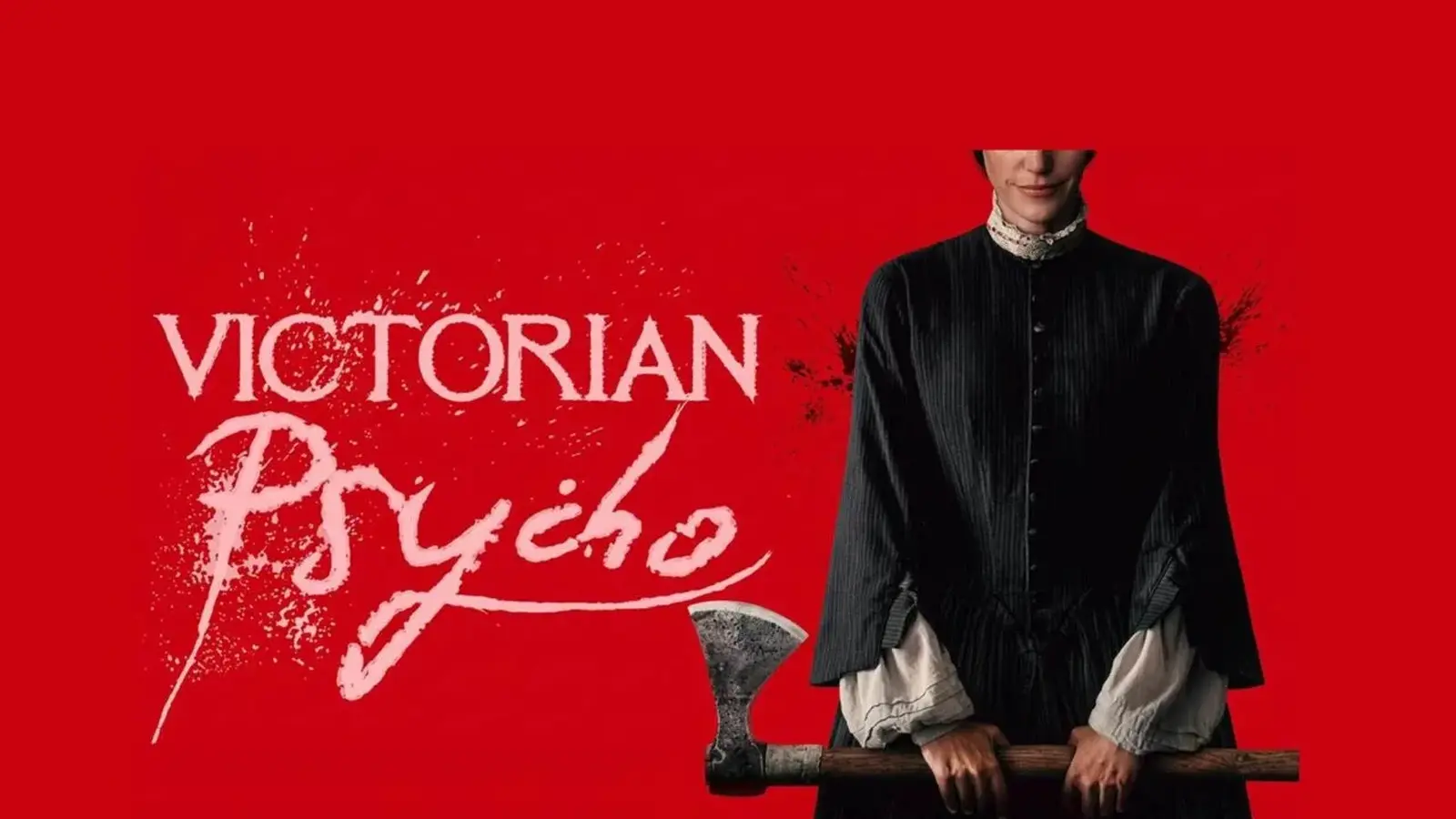
She arrives at night. A thin silhouette against the manor’s gaslight. In 1858, a young nurse named Winifred Nottie takes a post at the remote, ivy-choked Ensor House — and the house answers back.
Zachary Wigon’s Victorian Psycho wears its period details like armor: corsets, creaky staircases, and wallpaper patterns that feel conspiratorial. The screenplay, adapted by Virginia Fito from her own novel, lodges the story in Gothic tropes while letting one unpredictable performance propel almost everything forward. Maika Monroe, as Winifred, is all sudden motion and simmering menace; she transforms quiet scenes into tightropes, never leaning the same way twice.
The premise is deliciously simple: a stranger arrives, staff begin to vanish, suspicion blooms like rot. Is the new servant responsible? Or is Ensor House itself a patient and vindictive character? Wigon blends historical atmosphere with psychological dread and splashes of dark comedy so that the film often feels like it’s smiling while it kills.
Critics have been split. On Rotten Tomatoes, Victorian Psycho sits at a robust 81 percent from 36 reviews; Metacritic shows a more cautious 52 out of 100 based on 12 critics. That gap tells you what the film is: divisive, bold, and not shy about testing limits.
Some voices loved the ride. Collider’s Therese Laxson awarded an 80, praising the movie’s blood, murders, and unapologetic Gothic flair — a picture that doesn’t pretend to be loftier than its pleasures. Screen Daily’s Nikki Baughan (80) admired Wigon’s knack for pushing familiar psychological-gothic clichés toward deliciously unhinged territory while still honoring the story’s literary roots. IndieWire’s Kate Erbland (75) saw smart edits from the novel that tighten pacing into a compact 90-minute blast, even if a few darker corners lose depth in the truncation.
Other critics were less forgiving. Phil de Semlyen at Time Out (60) argued that Wigon stages violent set pieces with skill but often fails to build the necessary tension beforehand. Brian Tallerico of RogerEbert.com (50) felt the tone skewed too often toward wink-and-nudge dark comedy, leaving the audience asked to accept outrageous turns without enough emotional anchor. David Rooney (The Hollywood Reporter, 40) and Guy Lodge (Variety, 40) both noted that the film flirts with satire and pastiche without fully committing, producing striking images but an uneven marriage of genres. Tim Robey at The Telegraph landed hardest (20), calling the overall tone abrasive and oddly miscalibrated given that the source novel—adapted by its own author—seemed to aim for something else entirely.
Still, there’s no denying the film’s bravado. Scenes of carnage are staged with a composer’s sense of rhythm: a sudden thump, a cut to an unreadable face, a smirk that lasts one heartbeat too long. And even when the story loses momentum, Monroe’s energy rarely does. She makes quiet moments hum with danger and gives the viewer the delicious, uncomfortable hope that anything in the frame might fracture.
Wigon’s willingness to play games with tone — horror, comedy, pastiche, literal Gothic melodrama — is both Victorian Psycho’s greatest asset and its Achilles’ heel. For some, the tonal seesaw feels invigorating: like watching a haunted house that knows it’s haunted and is wry about it. For others, those same shifts make the film feel undecided, a collage that never quite glues itself together.
If you love visceral period horror carried by a magnetic lead, this one will thrill you; if you prefer your scares solemn and ironclad, expect to squint.

Victorian Psycho made its first public appearance in Cannes’ Un Certain Regard section in 2026. It’s a film that invites debate: does it revive Gothic tradition with fresh mischief, or does it gamble too much on style at the expense of spine-tingling conviction? Either way, it’s a picture that demands a second look — and a strong stomach.

Leave a Comment
Comments
No comments yet. Be the first.