
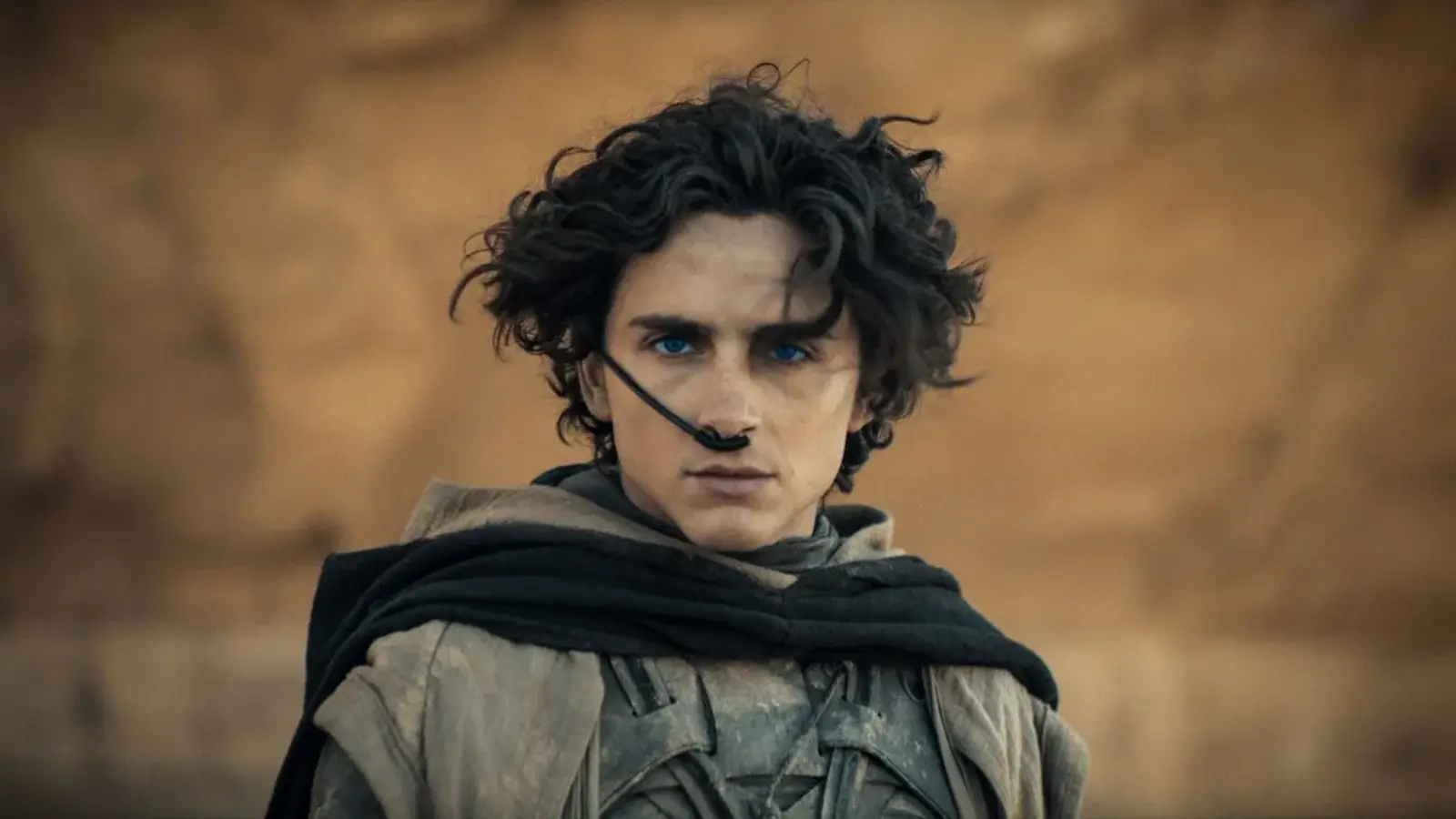
Nostalgia hit him like a sandstorm. Kyle McLachlan, the actor who first wore Paul Atreides’ name on the big screen in David Lynch’s 1984 Dune, has watched Denis Villeneuve’s recent trilogy with a strange mix of distance and fondness.
He doesn’t see himself in Timothée Chalamet’s performance. Not really. But he does recognize the bones of the story — especially moments lifted almost verbatim from Frank Herbert’s novel. "The scene where he puts his hand in the pain box," McLachlan told GQ, "was almost word-for-word from the book. I remember thinking, ‘My God, I remember that day.’" Short sentence. A sharp memory.
That memory is cinematic as much as personal. McLachlan described flashes of working with costume designer Shaan Phillips, camera moves and the pacing of his own entrances. He watched Villeneuve’s film and felt like he was visiting an old set in his head. At times he said he even wished his version had included certain moments — the tent scene, for instance — and admitted to a little professional envy: "That could have been an amazing shot."
Scale was another revelation. Villeneuve’s Dune operates on a mammoth scale: sweeping desert vistas, towering set pieces and sandworms rendered with modern visual effects. McLachlan compared that to the modest means of the 1984 production. "We had part of a worm on a box next to a train carriage. The train barely moved and I was running with a hook. Everything in our film felt simple and primitive in some ways. But that was my Dune. And the memories are incredible."
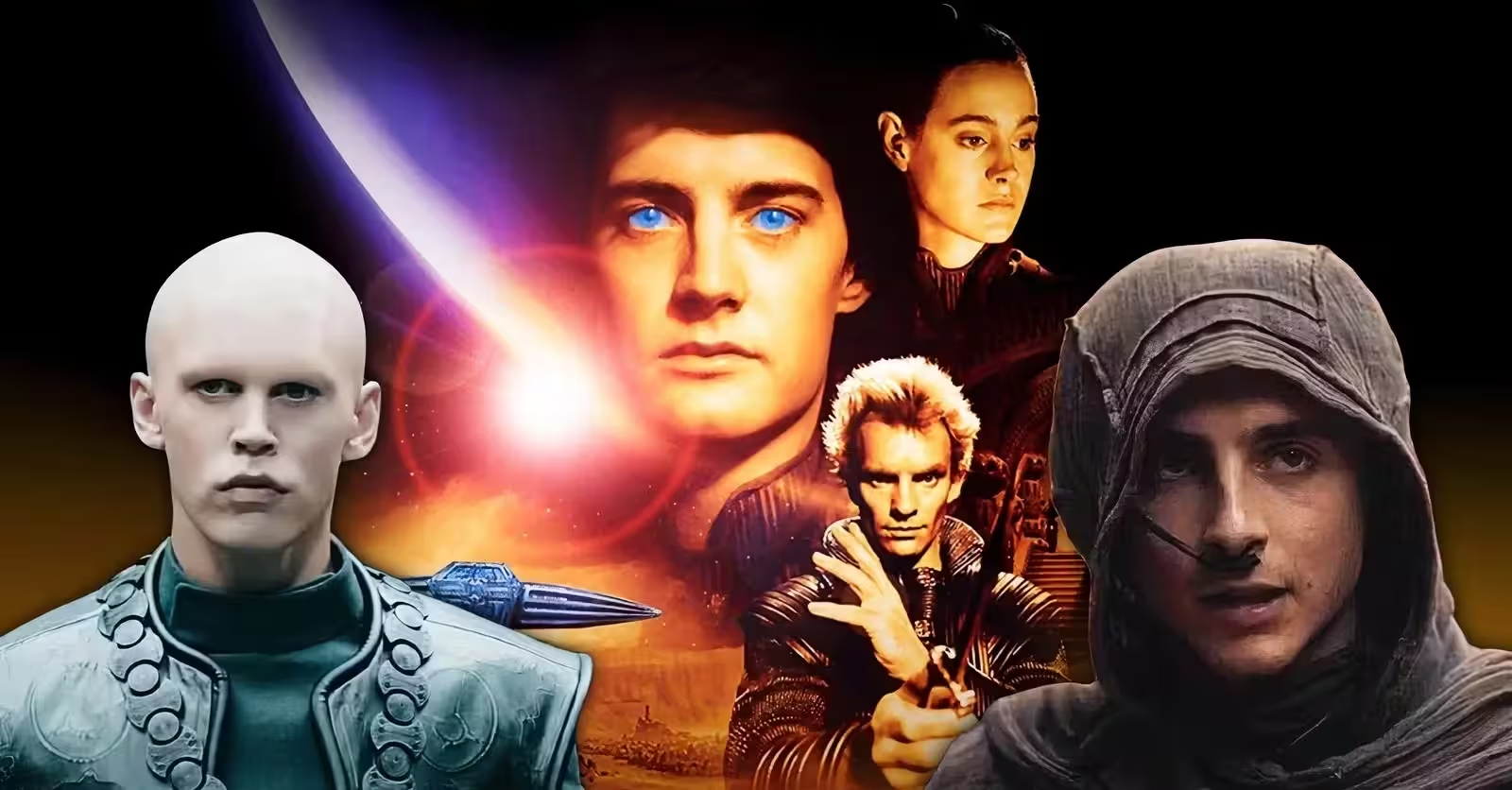
Denis Villeneuve’s adaptation has, of course, rewritten the franchise’s modern fortunes. After Frank Herbert published Dune in 1965 and followed it with five sequels, the property moved through cult phases, a troubled Lynch film, and a couple of TV adaptations on Syfy before Villeneuve arrived to reboot the saga with fresh ambition and critical momentum.
Timing matters. Dune: Part Three is scheduled to open on December 18, and expectations are high. Industry chatter even suggests it could vie for the box office crown against Marvel’s Avengers: Doomsday. Will a philosophical sci-fi epic go toe-to-toe with a superhero tentpole? That’s a matchup movie theaters haven’t seen in a long time.
McLachlan also reflected on the 1984 film’s troubled history. Lynch’s version was meant to be epic; reports say an early cut ran close to four hours before producers trimmed it to 137 minutes. The theatrical result underperformed — around $30 million domestically against a roughly $45 million budget — and critics were mixed. Rotten Tomatoes sits at 36 percent for that release. And yet, like many ambitious misfires, it found a second life as a cult classic.
As for Lynch himself, McLachlan hinted that the director had little interest in seeing Villeneuve’s take. "He didn’t want to see them," McLachlan said. "I don’t know if he watched any of my other work. There was a time when he saw me more as Cooper from Twin Peaks than as Kyle. He’d call me Cooper sometimes." A wink to the strange loyalties that form between actors and auteurs.
What feels certain is this: Herbert’s desert saga keeps returning, each time discovering a new skin to wear — sometimes clumsy, sometimes transcendent, always revealing more of its dunes.
Whether nostalgia, technical spectacle or fresh casting draws audiences back, Dune’s story endures. Will Part Three close the circle for Villeneuve’s trilogy? We’ll find out when the credits roll and the desert quiets down.

Leave a Comment
Comments
No comments yet. Be the first.