
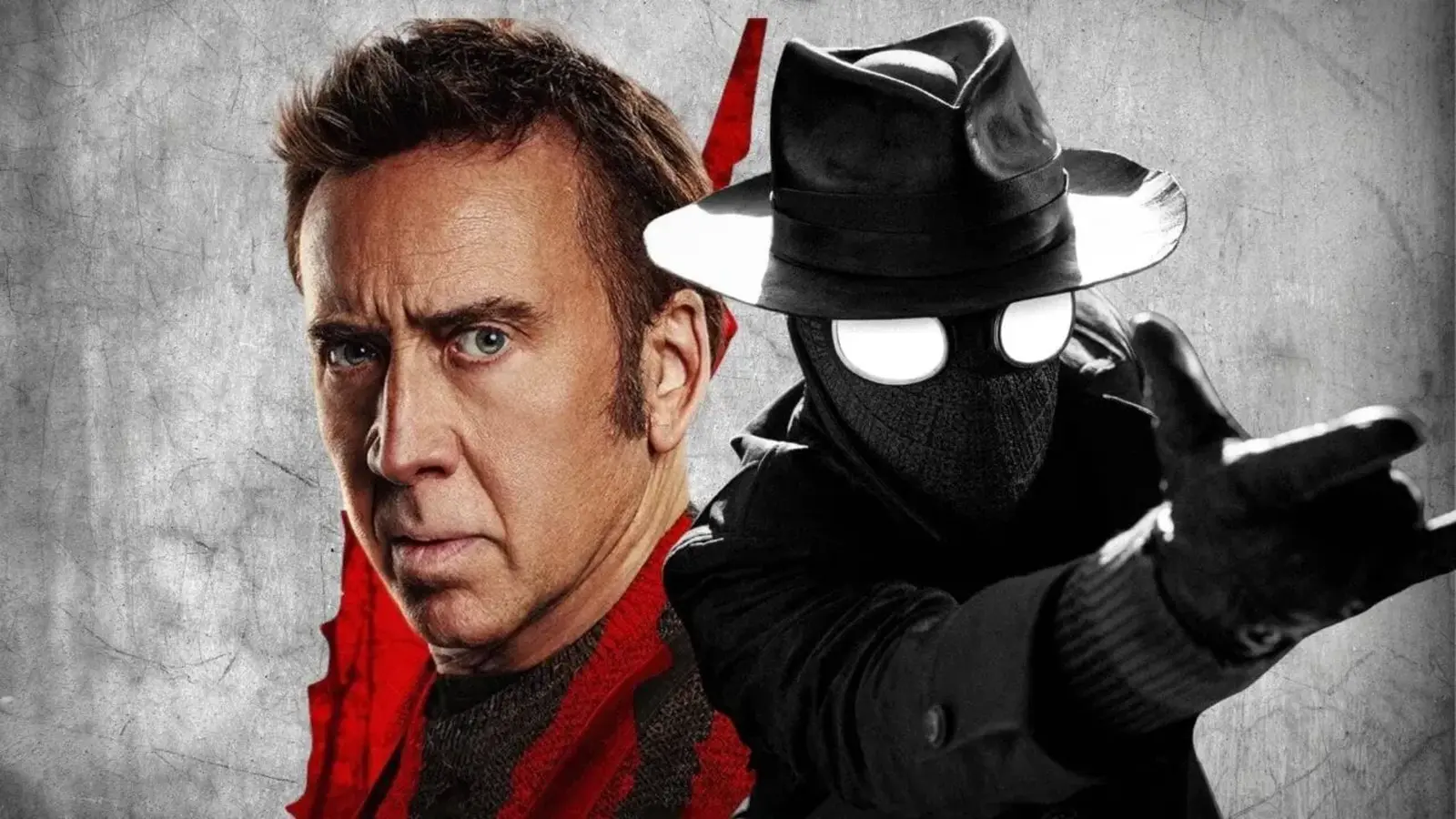
A black-and-white detective nearly disappeared before his first case even aired. Strange, right? Yet that's the story behind Spider-Noir — a show that flirted with cancellation simply because it dared to look like a 1930s movie.
Ben Reilly prowled that shadowy, film-noir world like a private eye stitched into a comic panel. The series leaned hard into contrasts: when you watched the monochrome episodes you felt the snap of old cinema; flip to the color cuts and the palette explodes into saturated, comic-book fury — a visual nod to Dick Tracy's loud costume boxes. Short sentences. Long ones. It matched the script: Ben isn't just acting like a retired spider-hero. A mutated spider bite knocked his sense of humanity off-kilter. He relearns what it means to be human by mimicking the movies he watches. It's odd. It's poetic. It works.
But studios worried. They feared younger viewers would balk at pure black-and-white. After two seasons of acclaim and buzzing fan reactions, the show still faced a shutdown. The worry was simple: will modern audiences tune into a monochrome superhero story? At Dallas Fan Expo, Nicolas Cage admitted the creative team hit a wall — the show's aesthetic looked like a liability more than a selling point.
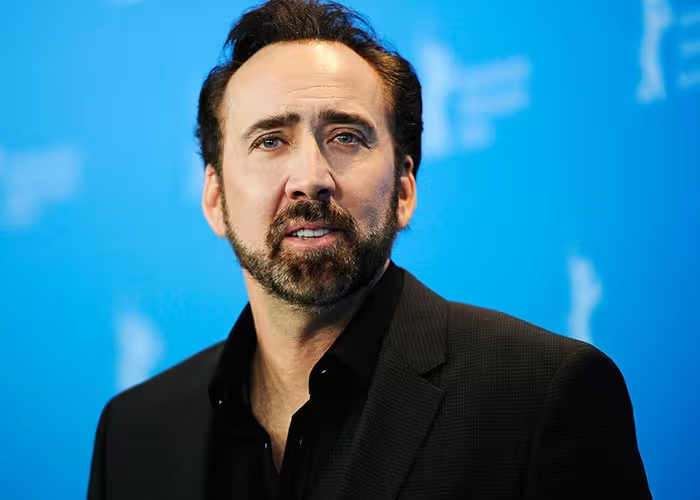
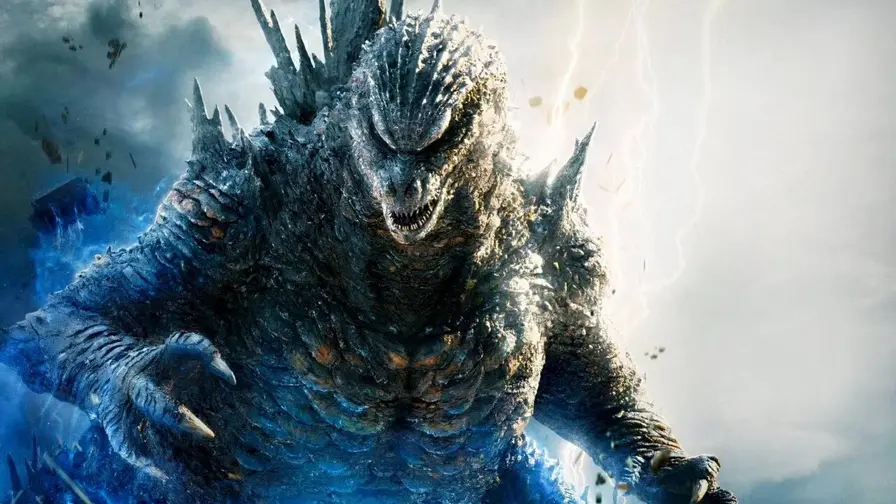
Then Cage had an idea borrowed from the most unlikely place: the Godzilla revival. Godzilla Minus One opened in theaters in both color and a black-and-white edition called Godzilla Minus Color — a respectful wink to the original Gojira. The tactic was elegant: offer a version for younger viewers who prefer vivid visuals and another for purists who crave tonal authenticity. Cage suggested the very same split for Spider-Noir. The producers listened. The series survived. At least for another season.
It's not exactly groundbreaking. Filmmakers have experimented with dual editions before. George Miller released Fury Road in a version titled Blood and Chrome closer to his original vision. Zack Snyder presented a grayscale director's cut of Justice League as Justice is Gray. James Mangold's Logan received a Logan Noir edition for a quieter, stripped-back experience. But Godzilla's simultaneous big-screen rollout of a black-and-white edit was a recent, high-profile proof of concept that helped calm nervous executives.
Beyond studio politics, this move says something about how we consume genre today. Can a younger audience raised on hyper-saturated superhero spectacles embrace a noir that talks like a 1930s protagonist? Maybe they already do, unknowingly. The Spider-Verse films have trained viewers to accept wildly different visual languages within a single franchise. The third chapter might make the tonal leap even easier.
What feels most human about this story is the will to preserve an artistic choice. A creative instinct nearly ground down by market spreadsheets was rescued by a simple, clever precedent: give people options. One version for nostalgia. One for neon appetite. And if that gamble pays off, expect more shows to arrive in two flavors — because sometimes the monsters we need aren't external threats but the studio executives afraid of them.

Leave a Comment
Comments
No comments yet. Be the first.