
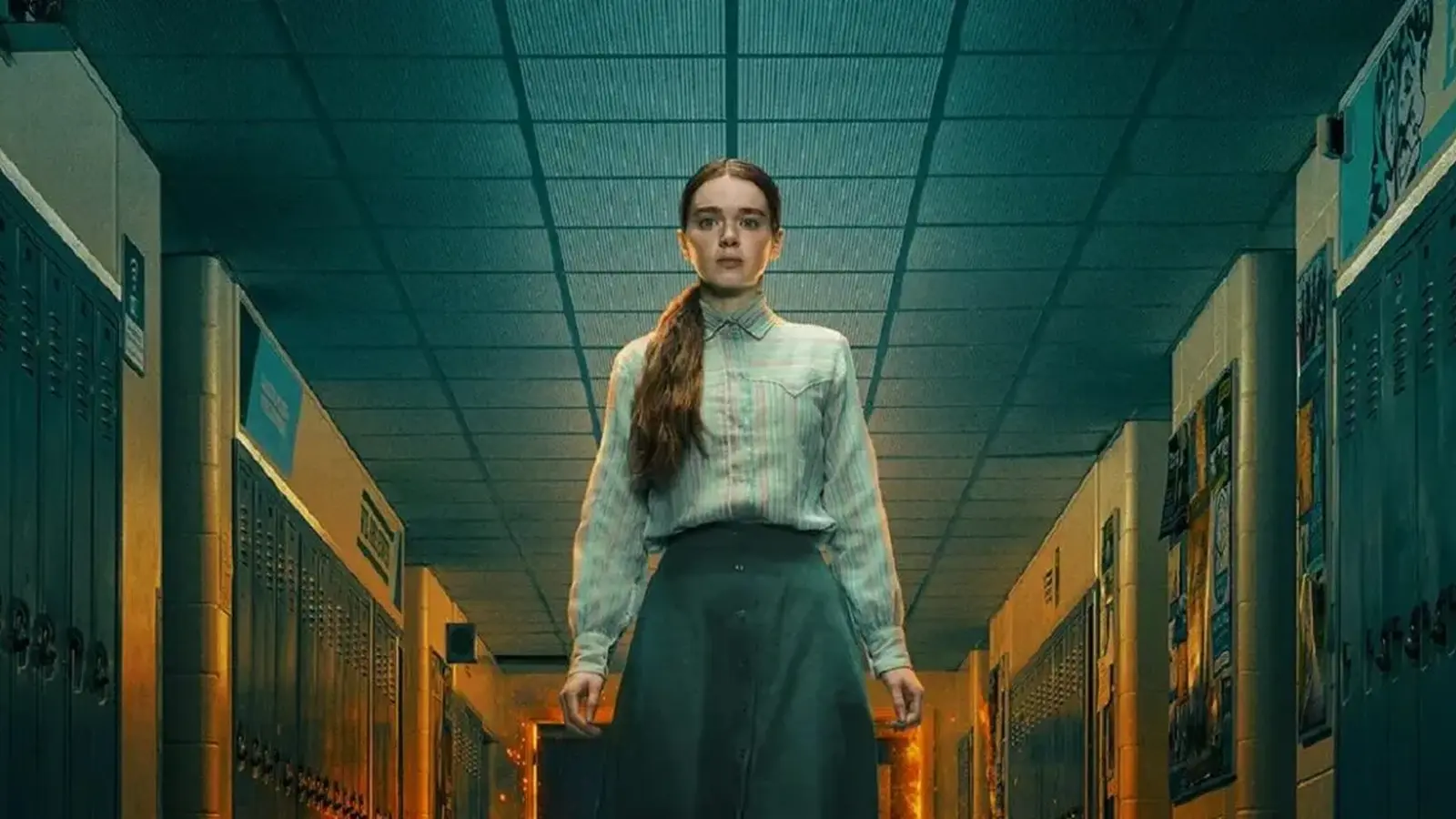
Nobody remakes a Stephen King classic quietly. Mike Flanagan’s television Carrie barges in with a familiar sting—telekinetic fury, small-town cruelty—but also with an insistence on tenderness that feels deliberately new.
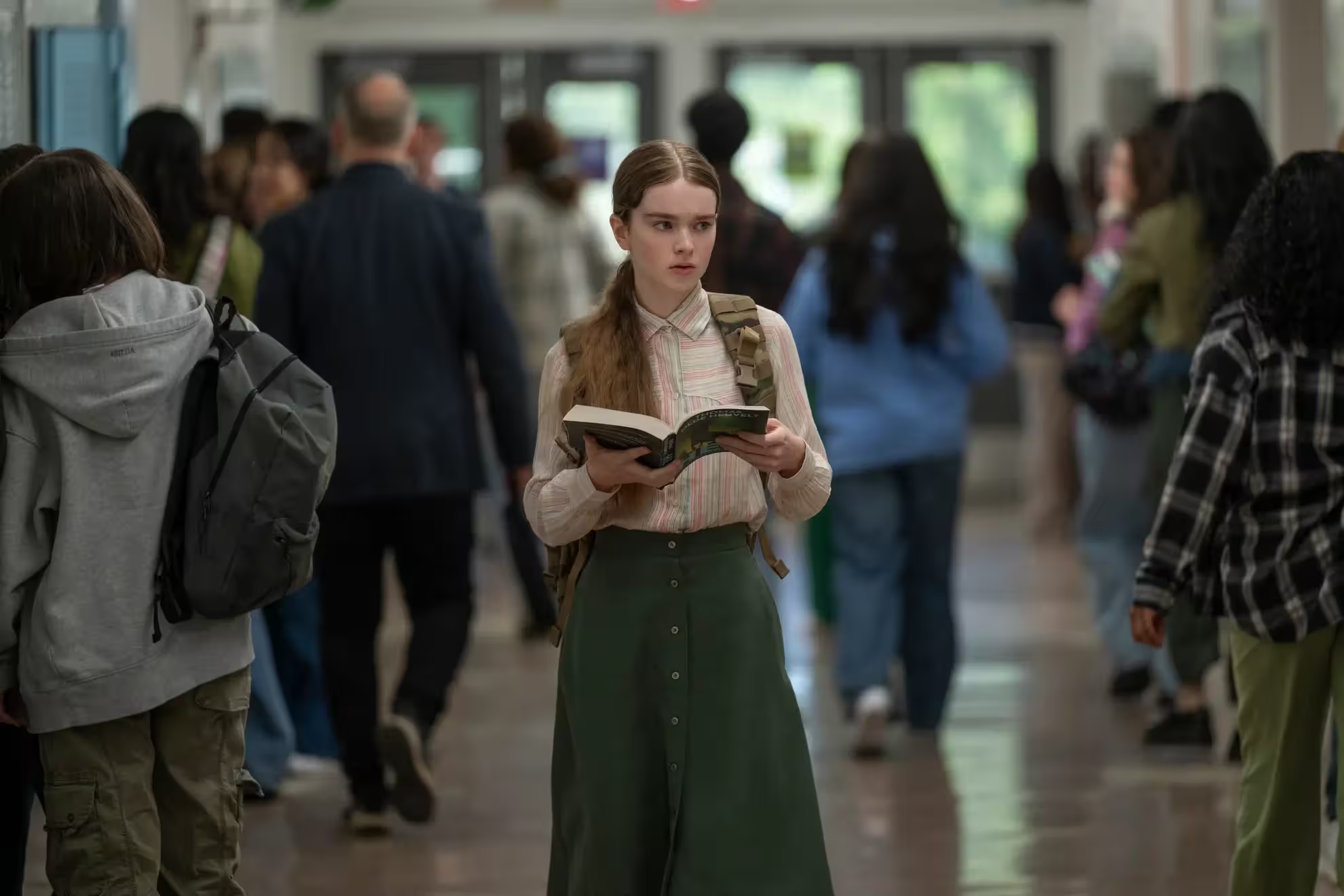
This Amazon MGM miniseries, the first small-screen take on King’s 1974 novel and the fourth adaptation overall, follows a bullied teenager whose burgeoning supernatural powers collide with the pressures of home and high school. Flanagan, already known for literary horror adaptations, reframes the story for an era of screens and social media without erasing the original’s bruises.
What stands out immediately is the tonal choice. Flanagan gives Carrie room to breathe. He leans into empathy. At times the show is quiet, almost domestic, and then it snaps into full-grain horror. The score supports both moods—sparse when it needs to hush, muscular when it needs to land a blow.
Critics have generally liked the experiment. Rotten Tomatoes shows an 85% critic score from 54 reviews, while Metacritic averages a 71 out of 100 from 18 critics. Those numbers tell you this isn’t a unanimous victory, but it’s hardly a misfire either.
Some reviewers hail the update. TheWrap awarded a 90/100, praising how Flanagan modernizes Carrie without losing the novel’s emotional core; the music and the adolescent angst were singled out as major strengths. A 90 from Collider praised the final two episodes for making every scene and extra minute matter, turning late-game details into a more powerful finale.
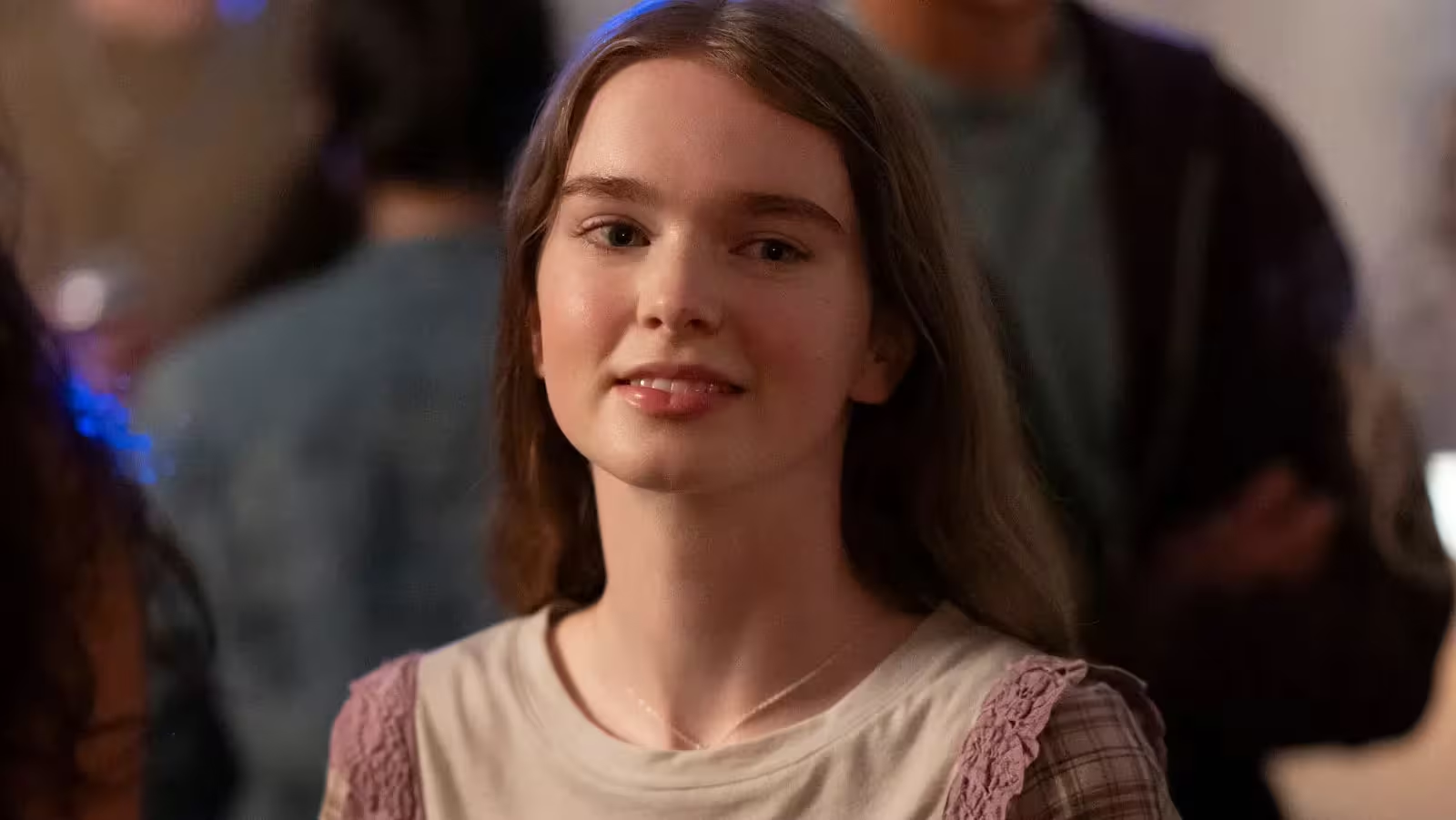
Others give high marks for performance. The Playlist (83/100) and Empire (80/100) spotlight the cast—naming the ensemble work as a key reason the adaptation lands—while several outlets single out lead Summer H. Howell for a convincing, empathetic turn that anchors the series even when the plot takes risks.
Yet not all choices land. IGN (80/100) and Collider (70/100) note that added subplots and new characters sometimes bloat the narrative; the worldbuilding occasionally pulls focus from the intimate horror that made the original so effective. Slashfilm and The Hollywood Reporter (both around 60/100) argue the series ends up less frightening than it intends, trading some dread for sentiment.
More critical voices worry about tone and message. IndieWire (58/100) suggests the show often reads like a parent’s perspective on youth trauma rather than a raw teenage scream, and The Telegraph (40/100) accuses the adaptation of flattening the novel’s ambiguities into blunt statements about motherhood and feminism—losing the story’s edge in the process.
That friction is the entire point of remaking a beloved text: you either deepen the myth or fracture it. Flanagan chooses to expand—adding context, modern anxieties, and breathing space for character work. For many critics that expansion enriches the legend of Carrie; for others it dilutes the terror.
If you come for jump scares, you might be impatient. If you come for a new lens on an old wound, there’s a good chance Flanagan’s Carrie will surprise you. Which side will you be on?

Leave a Comment
Comments
No comments yet. Be the first.