
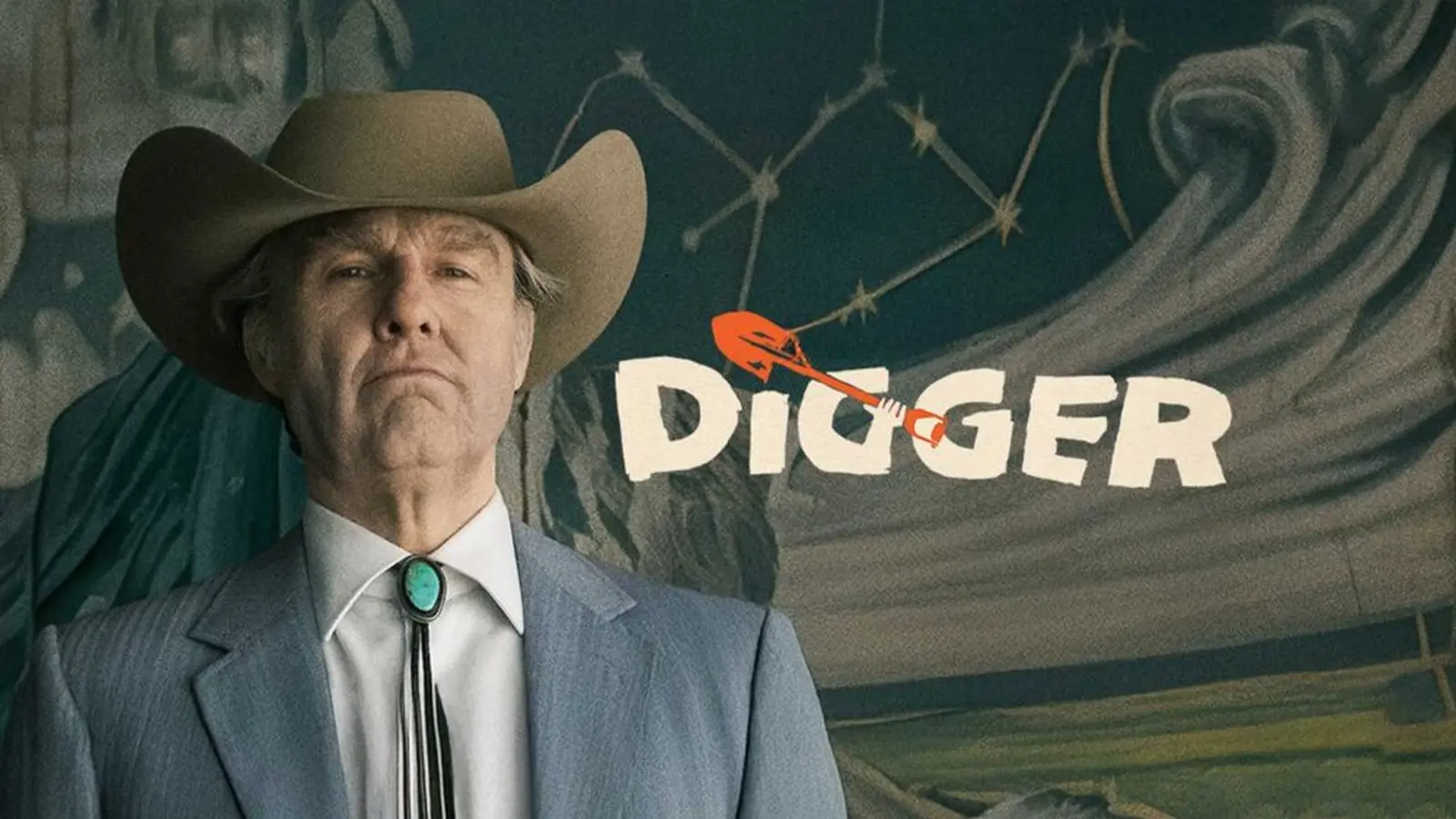
It arrived with fanfare and a big name attached — and still fizzled. Digger, Alejandro G. Iñárritu’s black comedy starring Tom Cruise as a billionaire oil magnate forced to confront the fallout of his company’s disaster, opened to surprisingly weak returns on its first weekend.
Warner Bros. announced an estimated global opening of about $20 million: roughly $8 million from the U.S. and $12 million overseas. For a star of Cruise’s caliber, that number reads like a shock. It’s the smallest worldwide kickoff for a Cruise-led film since 2007’s Lions for Lambs, which launched with just $10.3 million.
The comparison is telling but only part of the story. Lions for Lambs cost about $35 million to make. Digger’s production budget, by most reports, sits somewhere between $160 million and $180 million. Costs ballooned well beyond the project’s early estimates, turning what might have been a manageable stumble into a real financial headache.
By the usual box-office math, a movie needs roughly 2.5 times its production budget to break even — meaning Digger would need approximately $400–$450 million worldwide to avoid losses. That’s a mountain to climb after a $20 million start.

Critical reception hasn’t offered much of a safety net. The film’s Rotten Tomatoes score sits near 51 percent, and early reviews are unlikely to spark the kind of word-of-mouth rescue mission studios crave. Deadline’s estimates suggest that even a $50 million final gross would still leave Warner with about a $150 million shortfall on this title.
All of this lands at a sensitive moment for Warner. Digger is the studio’s last theatrical release before its planned merger with Paramount — the combined operation expected to operate under the Skydance banner — and it closes out a long chapter under executives Michael De Luca and Pamela Abdy. It’s a messy postscript to a run that has also included big wins: in 2025 Warner posted roughly $4.3 billion at the global box office and picked up 11 Oscars.
The studio’s renewed relationship with Cruise traces back to the seismic success of Top Gun: Maverick, which grossed $1.503 billion worldwide and made Cruise an even more prized collaborator. After that windfall, Warner’s leadership pushed to secure a broader partnership with the star. De Luca and Abdy green-lit Digger with an initial budget near $125 million, but the bill didn’t stop there.
Warner still has several tentpoles on the calendar that were approved before the merger talks reshaped the studio’s horizon: Dune: Part Three (Dec. 18, 2026), A Minecraft Movie Squared (July 23, 2027), The Conjuring: First Communion (Sept. 10, 2027), The Lord of the Rings: The Hunt for Gollum (Dec. 17, 2027), and The Batman: Part II (Feb. 18, 2028). But for now, Digger will go down as the last film the company released on its own terms before the new corporate era begins.
So what does a stumble like this mean for big-name filmmaking going forward? Studios will be watching closely — and so will audiences. The question now is whether the merger’s new guardians can steady a ship that just foundered near the shore.

Leave a Comment
Comments
No comments yet. Be the first.