
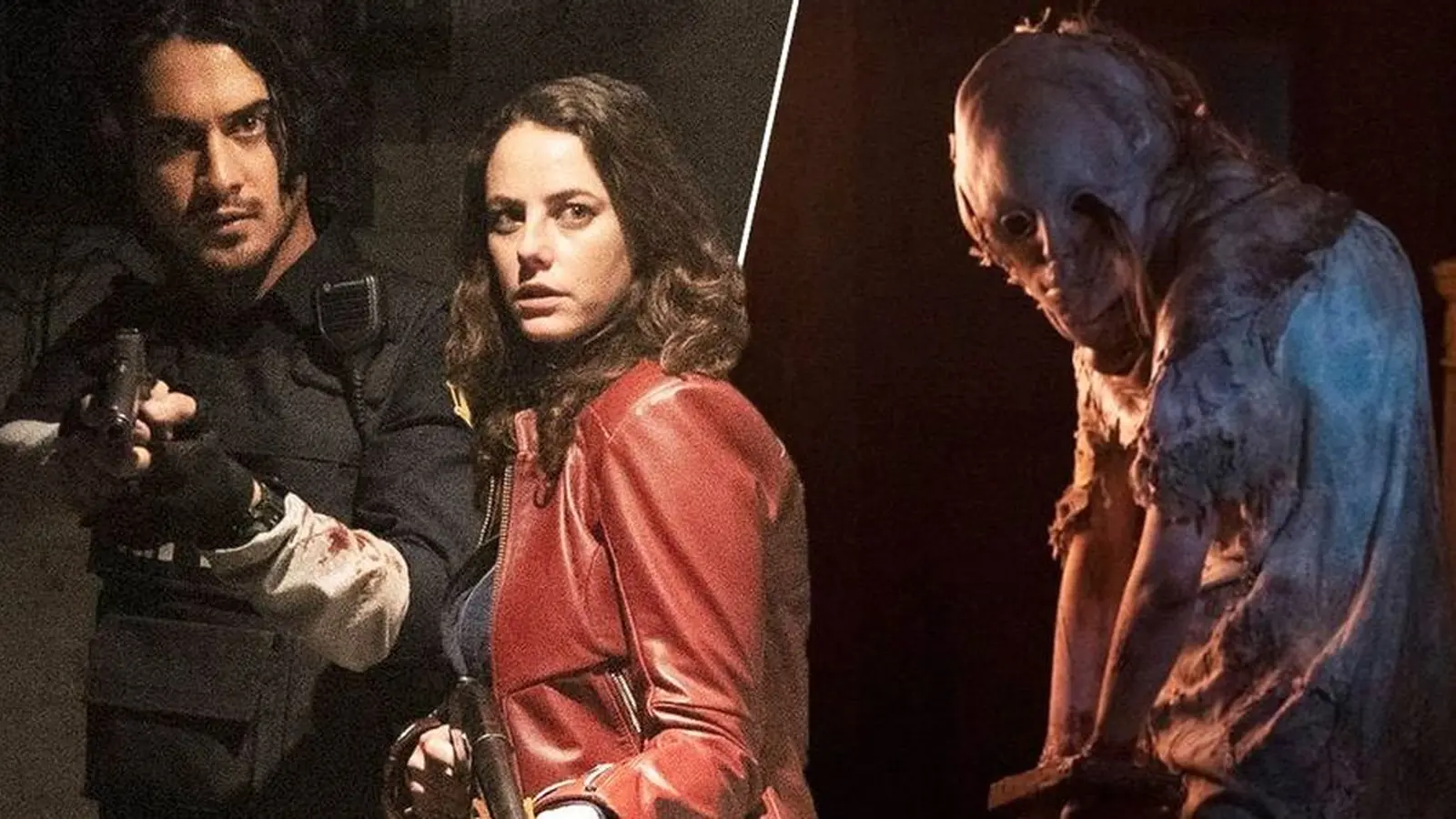
It arrived like a sleeper with teeth — and then kept biting. Sony’s new Resident Evil, directed by Zack Krieger, has crossed the $250 million mark worldwide, turning this reboot into one of 2026’s surprise hits among video game adaptations.
Opening day numbers hinted at something big. The film opened in North America on September 18, 2026, and hauled in roughly $60.2 million domestically during its first weekend. Global receipts pushed the opening weekend total past $108 million — the best launch the franchise has ever seen.
What followed wasn’t a typical drop-off. The movie held well in subsequent weeks, racking up close to $196.5 million by the end of its second week and clearing the $200 million threshold as it rolled into more international markets. Crossing $250 million is especially significant given the film’s reported production budget of about $75–80 million; that margin reshapes how studios might view future installments in this revived franchise.
Numbers tell part of the story. The rest is tone and trust. Krieger, who earned attention with tense, character-driven horror like Barbarian and the commercially successful Weapons (2025), brought a familiar dread to a much larger canvas. The result feels like a horror film stretched into blockbuster scale: claustrophobic scares one moment, broad set-piece tension the next.

Industry watchers have noted other milestones too. That $60 million North American debut nearly doubles the previous franchise best and allowed the reboot to eclipse domestic grosses of several earlier Resident Evil entries within days. Reports also suggested the film cleared $100 million domestically in under two weeks — not a bad run for a genre title that could have been pigeonholed from the start.
Why did audiences turn up? Name recognition helps — Resident Evil is a global brand — but execution matters. Krieger’s direction leaned into atmosphere and texture while keeping the action propulsive. Audiences who once criticized game-to-film adaptations for being either too faithful or too loose found something that struck a balance: a fresh adaptation that still felt rooted in the survival-horror DNA fans expect.
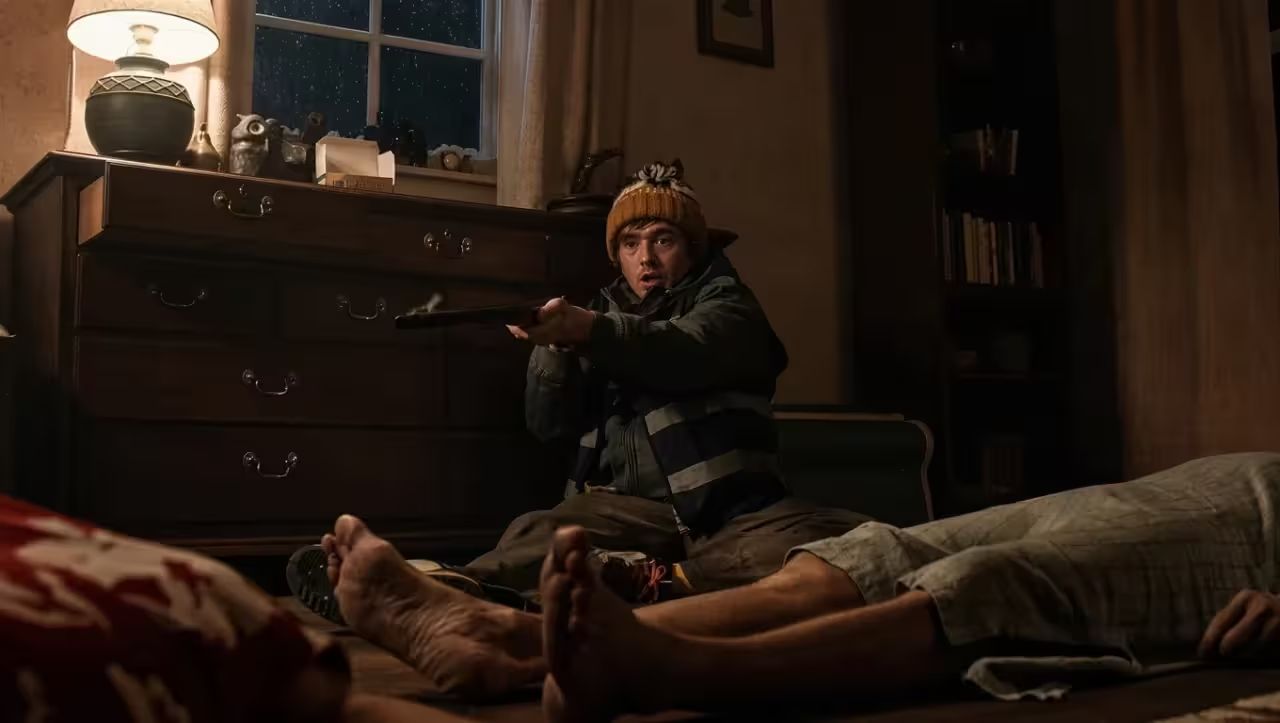
Box office success like this does more than fill ledgers — it writes a future for sequels, expanded universes, and studio confidence in adapting games for the mainstream.
With some international markets still reporting and late runs adding to cumulative totals, the final global figure could climb even higher. For now, Sony has a commercially validated reboot on its hands and a director whose horror sensibility can scale up without losing its bite.
Will this momentum translate into a multi-film arc for Krieger’s take on Resident Evil? For studios and fans alike, the next few weeks of box office returns may answer that better than any press release.

Leave a Comment
Comments
No comments yet. Be the first.