

Who knew grief could be delivered with a wink, a dash of alchemy and a very dry sense of humor? Small Prophets arrives like a local myth—grounded in the grit of Manchester but occasionally lit by tiny, uncanny sparks.
McKenzie Crook wears several hats here: creator, writer and director. The result feels idiosyncratic rather than precious. The show mixes everyday life with a streak of magical realism and a tender study of loss. It’s a story about someone who refuses to let go, not for melodrama’s sake but because hope, in this series, is stubborn and sometimes a little ridiculous.
At the center is Michael—quiet, awkward, and refusing to give up on the woman he loved. Seven years after his fiancée Cleia vanished, he still carries her absence like a bruise. He works in a hardware store. He visits his father. He keeps looking for signs. Then he stumbles across an alchemical manual and starts building homunculi—small, handmade creatures meant to deliver prophecies. Strange plan. Effective storytelling.
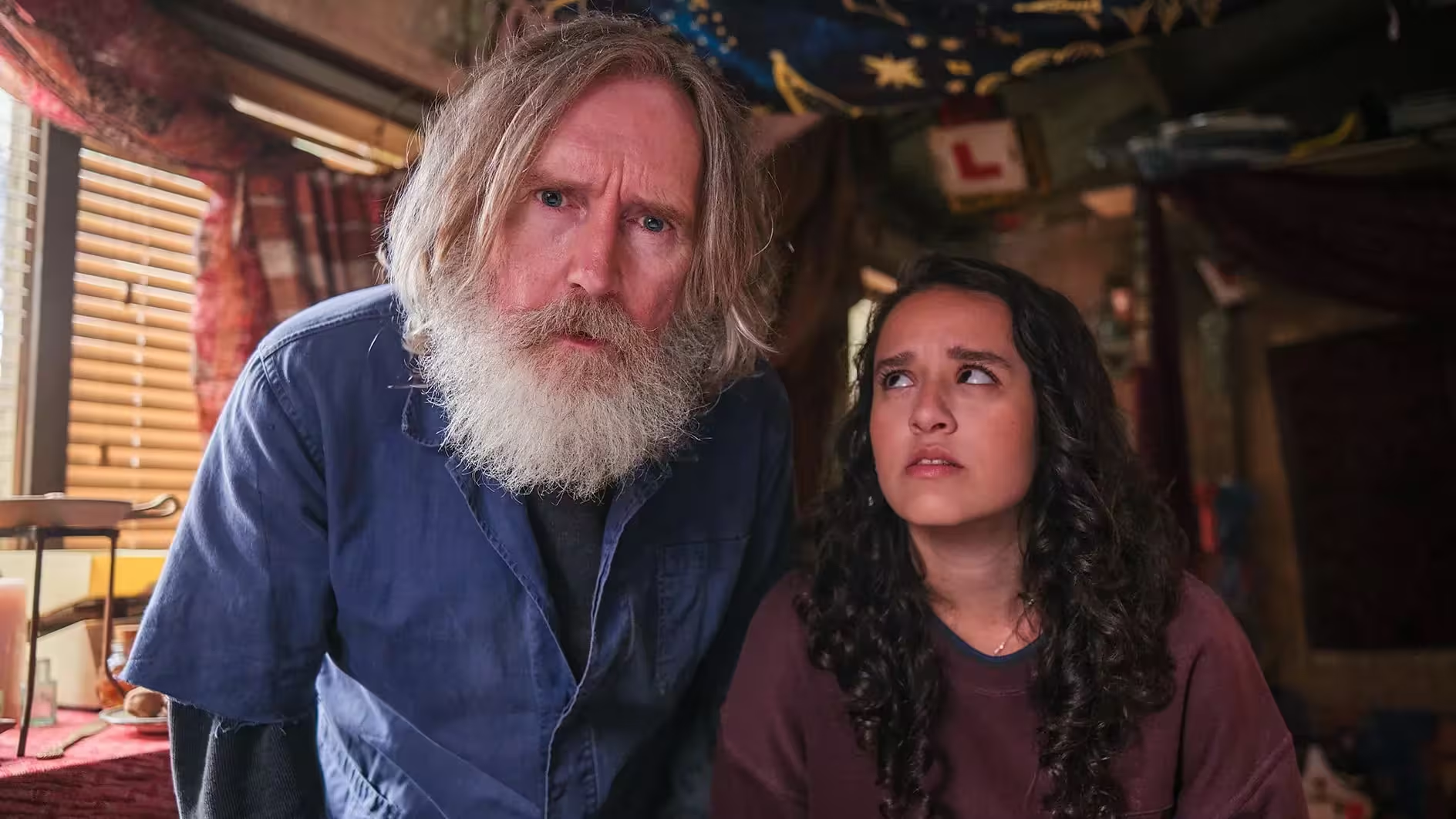
Michael isn’t alone on this oddball quest. Casey, a colleague whose loyalty slowly becomes the show’s emotional backbone, helps him navigate obsession and optimism. Of course there are antagonists: a surly store manager, nosey neighbors, the everyday indignities that make recovery messy. The cast—led by a magnetic turn from Piers Quigley alongside McKenzie Crook, plus veterans like Michael Palin and a strong supporting ensemble including Lauren Patel, Sophie Whelan and John Poynting—gives the material warmth and comic precision.
Critics have taken notice: 11 reviews on Rotten Tomatoes amount to a 100% critics score, while Metacritic currently lists an 87 out of 100 from five reviews.
The Times (Ben Dowell) awarded a perfect score, praising the show’s controlled and subtle take on ordinary life and commending its inventive comic energy. The Guardian’s Jack Seale called the series "a pure delight"—short, sharp, and fond. The Independent’s Patrick Smith, at 80/100, warns that the magical-realism strand might feel odd at first, but promises a payoff: funny, strange, and oddly relatable. Anita Singh at The Telegraph also gave it an 80, noting a few tonal stumbles—the officious coworker whose exaggerated laugh jars, and a finale that drifts briefly toward horror—yet she singled out Piers Quigley as endlessly watchable. RogerEbert.com’s Christina Escobar (80/100) described Small Prophets as deeply human, warm, gently magical, and ultimately about the ways we look after each other when life frays.
What the reviews share is a sense that this is a show willing to take small risks for emotional truth. It doesn’t shout. It nudges. It prefers a knowing smile over a curtain call. The homunculi are more than plot devices; they are mirrors, and sometimes fools, reflecting the series’ blend of sorrow and mischief.
Is it flawless? No. There are tonal wobblers and moments that won’t land for every viewer. But when it clicks, Small Prophets hits with a rare clarity: grief can be comic, hope can be strange, and human connection—the kind that keeps you awake and hopeful—remains compelling television.
Curious? Give it an episode. See if the tiny creations whisper the answers you didn’t know you needed.


Leave a Comment
Comments
No comments yet. Be the first.