
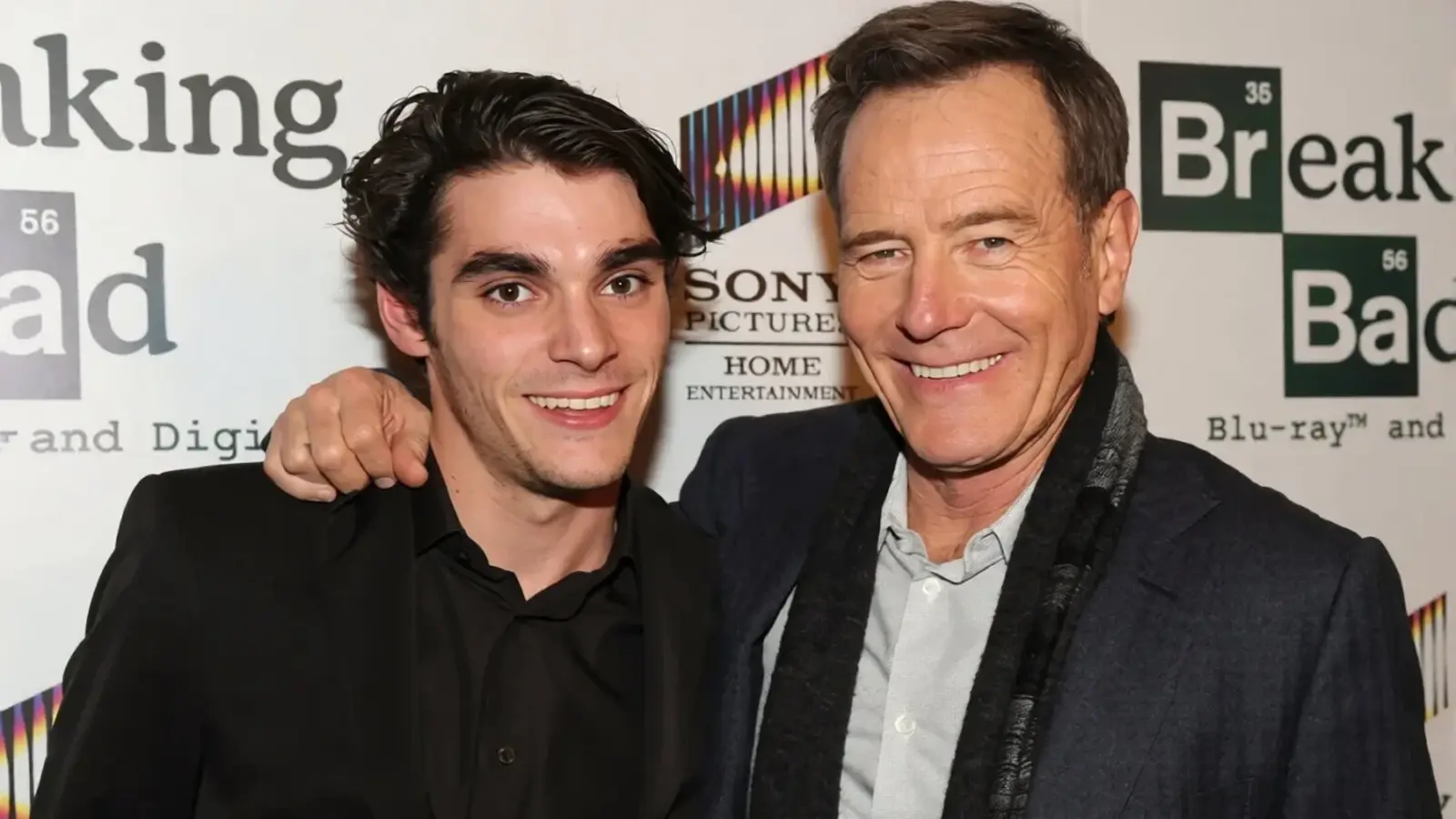
On a raw October afternoon, Bryan Cranston found words that refused to feel sufficient. He spoke not as a co-star but as someone who watched a boy grow into a voice for others. R.J. Mitte — the young man who brought Walter White Jr. to life — has died at 34, and the industry that cheered him now struggles to make sense of the loss.
Cranston's message landed like a quiet confession. He remembered meeting Mitte when the actor was just 14, stepping onto a set that would change both their lives. Mitte arrived with an easy enthusiasm and a steellike determination. Diagnosed with cerebral palsy at age three, he never let that diagnosis define the scope of his ambition. Instead he carved out a presence on screen that felt honest, funny, sometimes stubborn — entirely human.
Being cast in a cultural touchstone is a sharp thrust of light. It reveals talent. It magnifies flaws. For Mitte, that spotlight became a platform. He appeared in 56 of Breaking Bad's 62 episodes across all five seasons, a fixture in the story and, in Cranston's words, 'a kid learning his craft while the world watched.' He kept learning. He kept showing up.
Off camera, Mitte turned recognition into responsibility. He stepped into advocacy for disabled actors and communities, leading the Mitte Foundation and serving as an ambassador for organizations that support people with cerebral palsy and pediatric health. In 2013 he received the Harold Russell Award from SAG-AFTRA for his work advancing representation and awareness — an acknowledgment of how he used celebrity as leverage for change.
There were other credits too: a recurring role on Switched at Birth, a turn in the superhero-tinged The Guardians of Justice, and a new film, Talking to Strangers, that he had been introducing before his death. Colleagues who had watched him grow offered stunned, heartfelt tributes. Dean Norris — Hank Schrader in the same series — wrote that his heart is broken and recalled keeping a caring eye on Mitte during his early days on set.
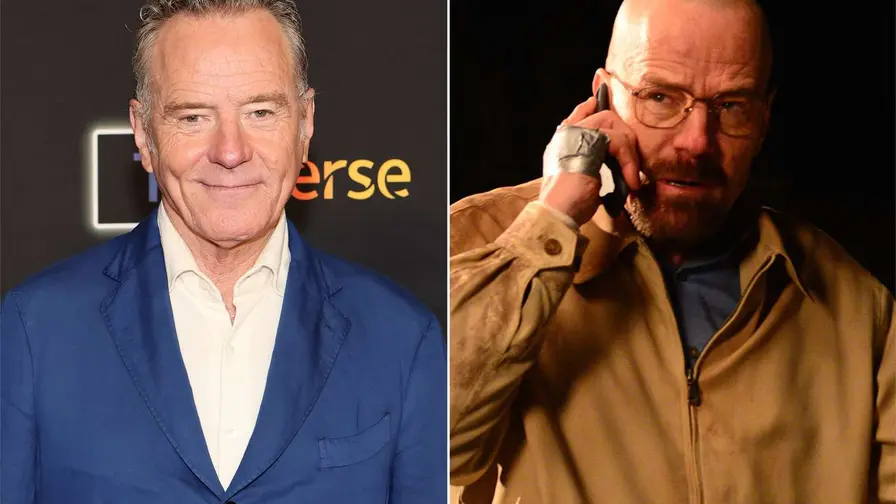
And then the most difficult part of Cranston's note. He revealed they had been texting about meeting for lunch just weeks before Mitte's death. That intimacy — the small, believable arrangements we make with people we care for — cuts especially deep now. Authorities have confirmed that Mitte took his own life. The words land heavy. They force questions rather than answers.
What does it mean when someone who seemed to be building both a career and a cause still hit a breaking point? It is a question that resists tidy explanations. Public life offers applause, but it does not shield private pain. Mitte’s story reminds us of that jagged divide between image and interior life.
Cranston’s closing line in his tribute carried the weight of a father who never stopped being proud: 'I'll miss you, my son.' Simple. Terrible. True.
R.J. Mitte will be remembered for more than a role. He used his visibility to demand better casting and truer representation for performers with disabilities. He chaired a family foundation, mentored younger actors, and earned respect for mixing activism with artistry. Those efforts form an important part of the legacy he leaves behind.
News like this ripples beyond headlines. It reframes conversations about mental health in the entertainment industry and about how we support people who live with disability in public and private arenas. For fans of Breaking Bad, the loss is personal; for advocates, it is a reminder of how much work remains.
Grief is uneven. It arrives in waves and in small, stubborn echoes — a text left unread, a laugh that won’t return. Somewhere between those echoes are the choices the industry and audiences can still make: clearer representation, deeper support, conversations that do more than commemorate. R.J. Mitte’s life on-screen was part of a larger, ongoing story off-screen — one that now asks to be told with care.

Leave a Comment
Comments (1)
Wow... this hit hard. he seemed so alive on screen, did so much for representation, and still—why do we lose people when theyre doing good? heartbroken