
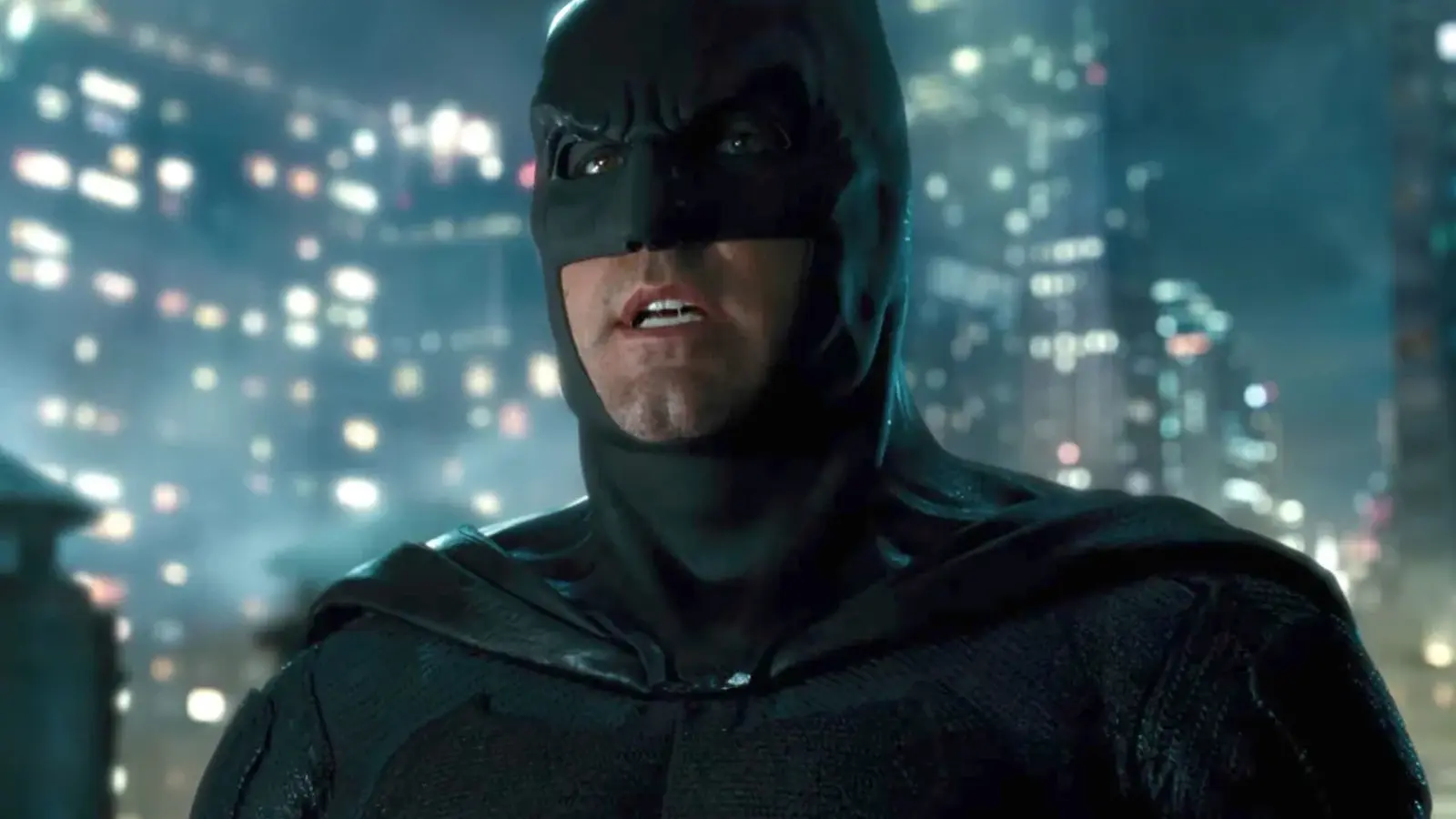
There are careers defined by triumphs, and then there are moments that bruise for years. For Ben Affleck, the Justice League reshoots sit squarely in that latter camp — a chapter he now calls the lowest point of his professional life.
On the latest episode of the Happy Sad Confused podcast, Affleck spoke plainly, without the PR gloss that usually surrounds studio drama. He described a production split that felt less like problem-solving and more like a demolition. After Zack Snyder stepped away following the tragic death in his family, Warner Bros. brought in Joss Whedon and, according to Snyder’s later estimate, roughly sixty pages of new material were shot. The result, Affleck says, was chaotic — critically panned and commercially disappointing — and it left scars on those involved.
Why did it hurt so much? Partly because of how the transition happened. Affleck accused the studio of treating a personal tragedy as a pretext to remove a director. He called that move “shameful” and said it poisoned the atmosphere on set. He didn’t mince words about how the reshoots felt: embarrassing, destructive, and emblematic of what goes wrong when a studio pits itself against a filmmaker’s vision. Yet he also acknowledged the one bright spot — Snyder later got to release his Snyder Cut, and Affleck was genuinely glad for him.
"If I had to name the worst point of my career, this experience would be it."
The personal toll, Affleck admitted, was real. He talked about drinking too much and separating from his then-wife. Those private struggles overlapped with the public mess of a fractured production, turning a difficult job into a deeply unpleasant period. He stressed that his personal pain didn’t excuse the film’s failings — the problems on the screen were of a different order — but the two threads intermixed in ways that made the whole experience unbearable.
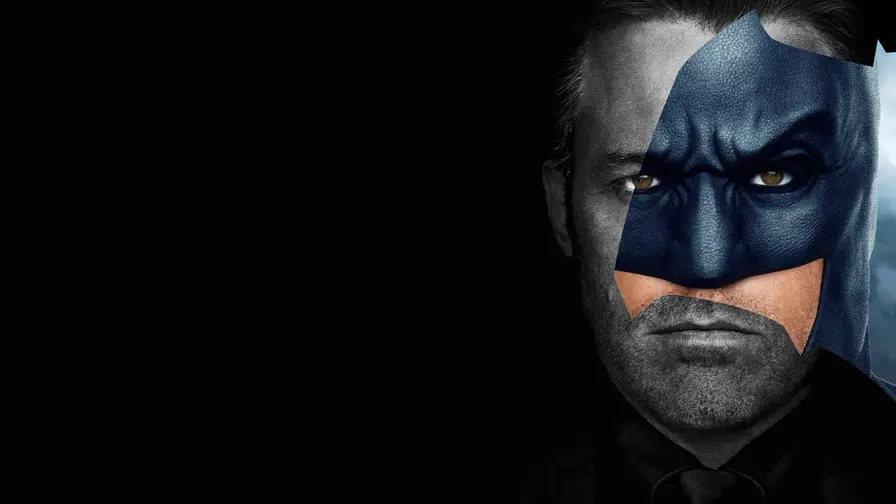
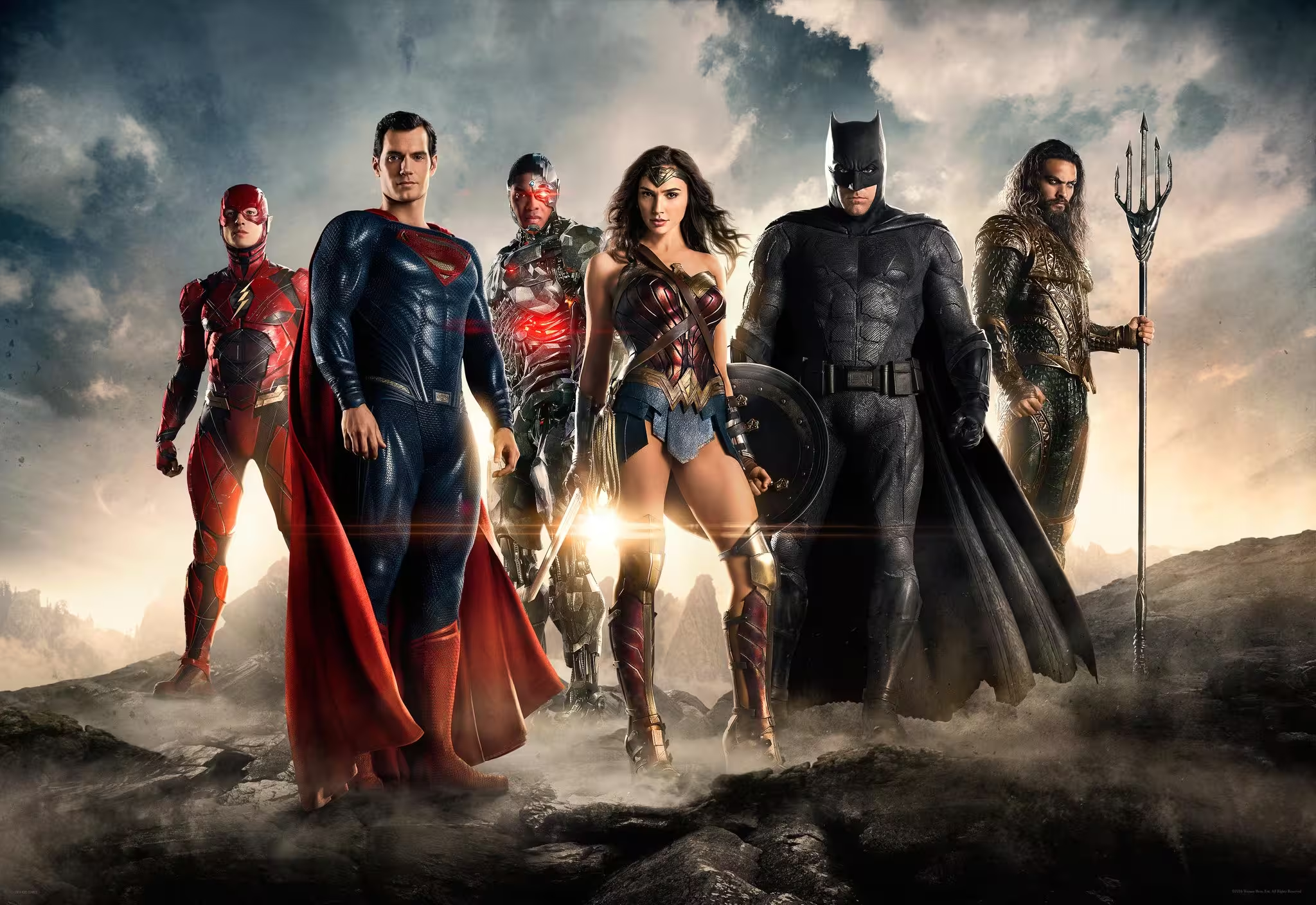
The interview also revisited past accusations that surfaced in the wake of the film’s release. Gal Gadot later claimed she felt threatened on set by Whedon; Whedon denied those allegations. Affleck avoided re-litigating every detail, but he framed the overall environment as unwelcoming and toxic during the reshoots — a tone shaped by decisions from above as much as by actions on the ground.
Affleck has been candid before about his disenchantment with playing Batman after that period. In earlier interviews he said the Justice League experience diminished his appetite for the role. “I didn’t want to be there,” he told Entertainment Weekly at the time. That sentiment didn’t come from a single misstep; it emerged from a build-up of professional frustration and personal exhaustion.
In a surprising side note, Affleck revealed that Lucasfilm contacted him about directing Star Wars: The Force Awakens. He declined. Why? He said he loves Star Wars and respects the franchise, but he didn’t feel like the right person for the job. It wasn’t false modesty. Affleck argued that projects tied to beloved universes demand a specific kind of obsession — a devotion he suspected someone else would bring more naturally. Reboots and legacy sequels, he suggested, are not only creatively treacherous but also politically charged, because fans bring exacting expectations.
The Justice League saga remains a cautionary tale about studio interference, grief, and the hazards of franchise filmmaking. Affleck’s account doesn’t rewrite what critics and audiences already concluded about the film. But it humanizes the cast’s side of the story, showing how careers and lives can be reshaped by decisions made far from the camera.
If you want the full, unvarnished conversation, the complete Ben Affleck interview is available on the newest episode of Happy Sad Confused — and it’s worth a listen for anyone curious about the messy business behind blockbuster cinema.

Leave a Comment
Comments (1)
Is this even true? studio used grief as an excuse? feels messy, sounds like careers wrecked, kinda disturbing to read..