
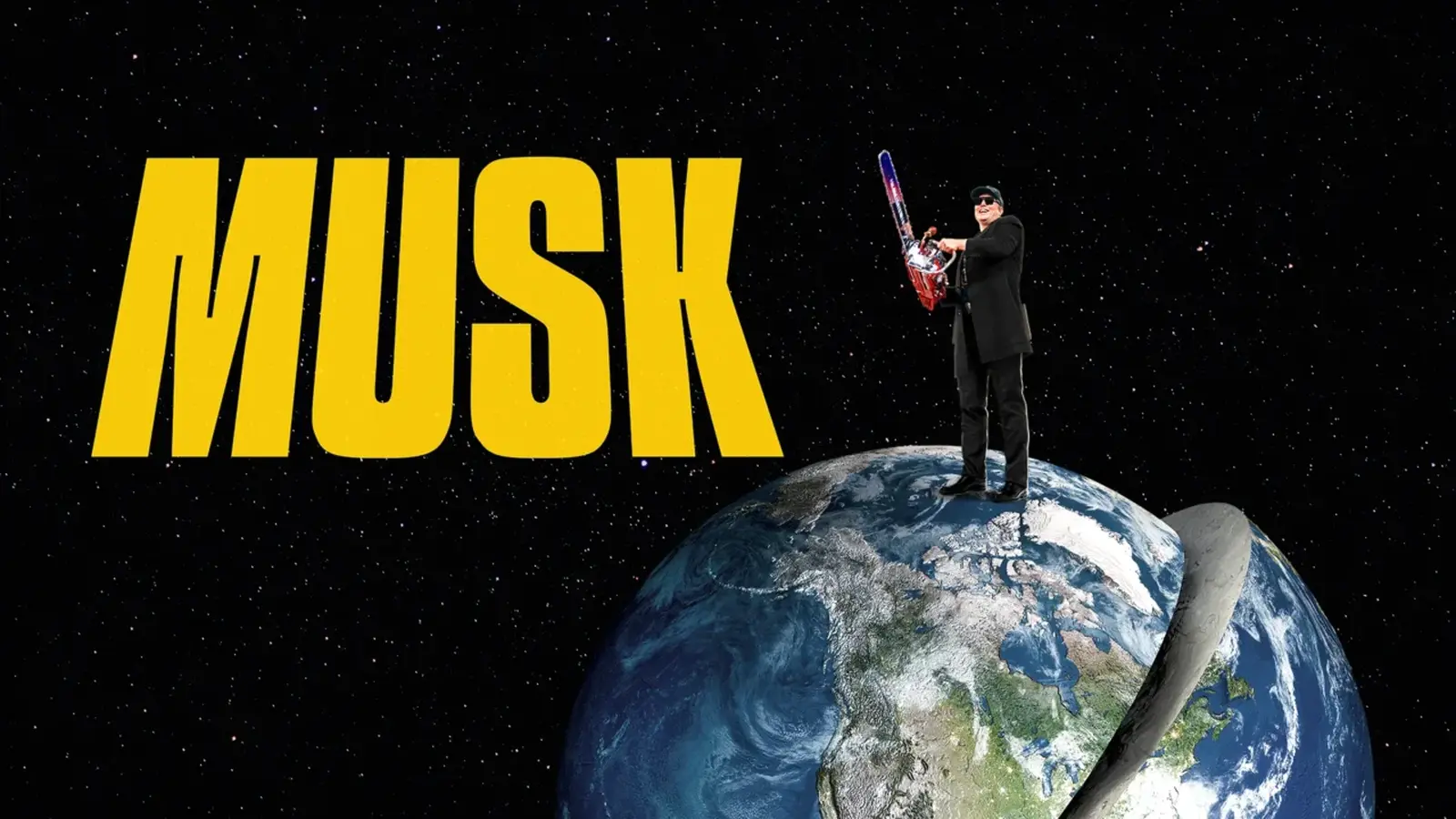
Gibney's Musk arrives like a cinematic probe: precise, relentless, and oddly intimate. It doesn't simply chart a billionaire's rise. It maps how influence migrates from garages and laboratories into the corridors of politics and public life.
Across roughly four hours, the filmmaker stitches together archival clips, sharp graphics, and pointed interviews to follow Elon Musk from an ambitious engineer in South Africa to a polarizing global figure. The portrait is as much about technology as it is about ambition—how big ideas can become vehicles for outsized power.
Critics have largely responded with interest. On Rotten Tomatoes the film sits at an impressive 98 percent based on 41 reviews, while Metacritic counts 20 reviews that average a solid 76 out of 100. Those numbers hint at consensus, but the nuances in the reviews are where the story deepens.
David Rooney of The Hollywood Reporter awarded the film a 90 out of 100, praising Gibney's methodical assembly of evidence and the director's gift for keeping complex material engaging. Owen Gleiberman at Variety, also at 90, called the documentary a sharp, indispensable portrait, noting how each phase of Musk's life feeds the next—an arc from calculated engineering to grandiose technological fantasy.
RogerEbert.com’s take (88) described the project as possibly the year’s most important film, arguing that Musk has proved far better at engineering situations to his favor than engineering the products that made him famous. The Guardian (80) and TheWrap (74) echoed that sense of an expansive, often unsettling narrative, while outlets like IndieWire and The A.V. Club—each scoring in the mid-70s—stressed the film’s value as a necessary record of recent cultural shifts.
Not every reviewer was equally convinced. Slant Magazine (63) and IGN (60) argued the documentary sometimes sacrifices depth for breadth, assembling a powerful roster of revelations but occasionally skimming where deeper exploration might have clarified motive or responsibility.
What makes Musk both captivating and worrying on screen is less a single scandal and more a pattern: relentless self-promotion, a willingness to gamify public attention, and an uncanny ability to convert controversy into advantage. Gibney lays this out without theatrics. The evidence does the persuasion.
Watchers of the film will find themselves asking familiar but urgent questions: When does visionary risk cross into recklessness? How does private wealth reshape public debate? And perhaps most pressingly, how should societies respond when charismatic influence arrives packaged as technological inevitability?
Whether you regard Musk as a genius, a danger, or something in between, this documentary insists on one thing: the conversation about power and innovation is far from over.


Leave a Comment
Comments
No comments yet. Be the first.