
It opens like a memory trap. Studio logos that carry three decades of Spider-Man baggage dissolve into a somber Marvel intro, and in a blink the aftermath of the last film—'No Way Home'—is revisited with surgical brevity. The spell, the erasure, the cost: all compressed into thirty seconds that set the tone. Something different is coming.
Spider-Man: Brand New Day arrived with a $225 million budget and walked out of the theater with roughly $2.513 billion worldwide. Those are not just big numbers. They are a statement: this is a superhero picture that reconnects people with cinema, not because of nostalgia alone, but because it earned that attention with craft.
Let’s not pretend the landscape was easy. The post-Endgame years left the Marvel machine wobbling. Overproduction, formula fatigue and a pandemic that rewired audience habits shrank the safe margins studios once enjoyed. Many headline projects underperformed. Yet Spider-Man has always been the franchise that could defy the trend—part brand, part something else. This film, I argue, is largely that 'something else.'
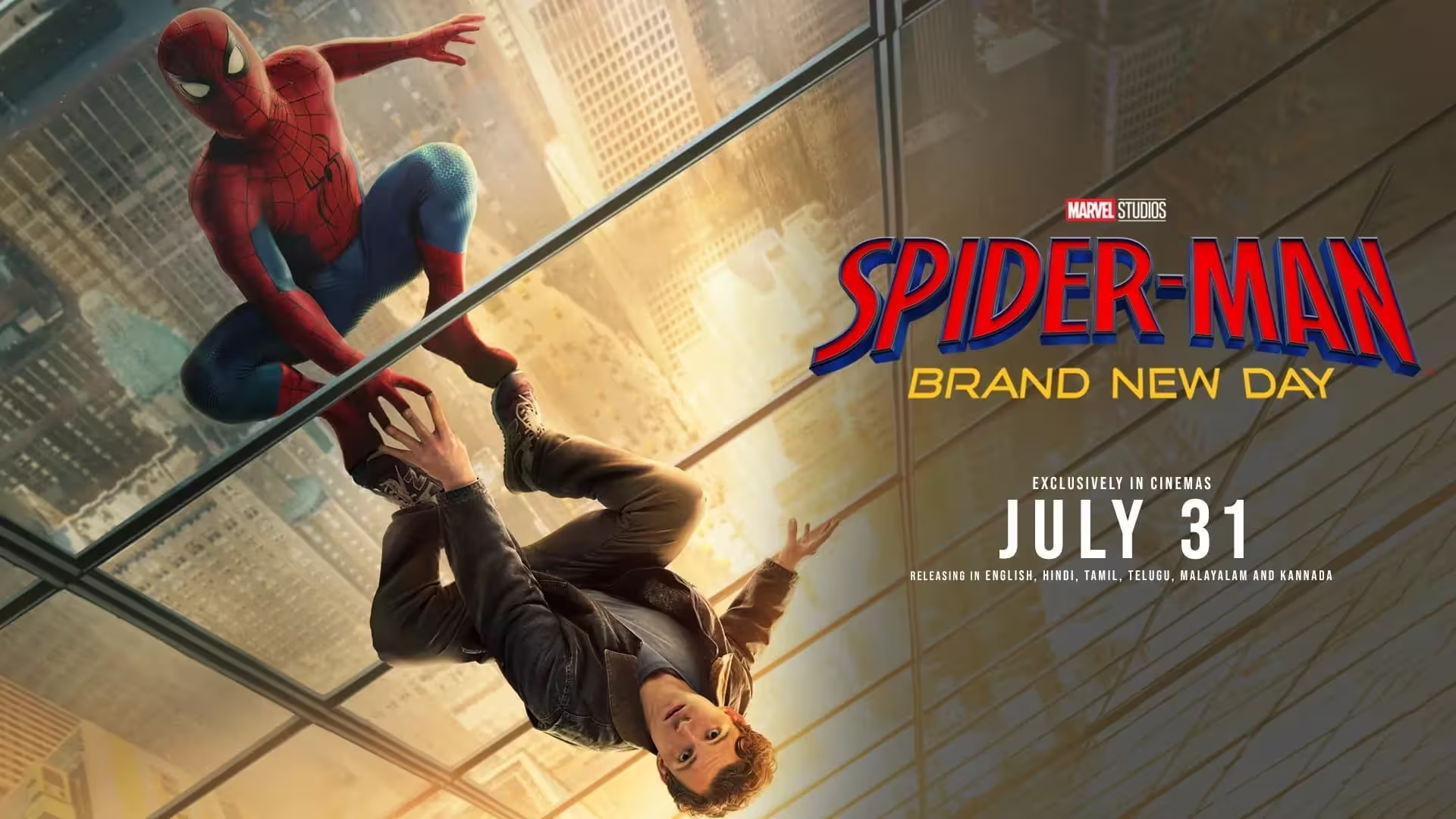
The movie opens with a brave formal choice: a montage sequence that erases Peter Parker from the memories of his friends. It's a clever continuation of the previous film's final act and a bold emotional gamble. We start with a version of Peter who has chosen to become only Spider-Man. The boy who once traded skateboards and awkward flirting for responsibility now drapes himself in solitude.
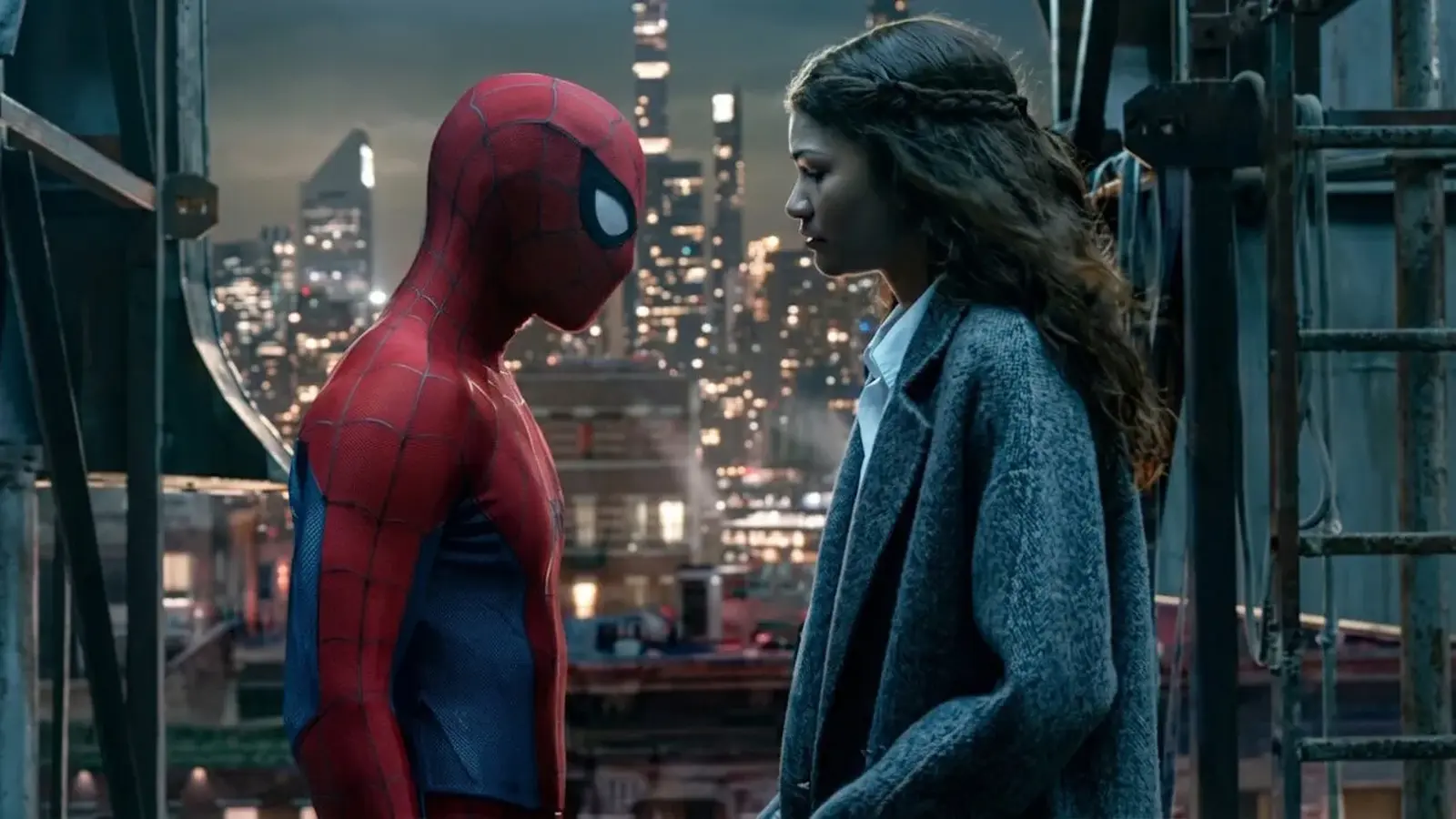
Tom Holland carries that solitude well. He's older here—four years have passed in-universe—and the performance is quieter, weightier. He navigates grief, duty and loneliness with an economy of expression. Zendaya's Michelle 'MJ' Jones likewise has evolved: no longer a sidekick to teenage yearning, she feels like a fully formed adult. Their chemistry remains the heart of the movie, but the film's bravest beats come when it refuses to give viewers a cathartic rom-com payoff. A very public scene where MJ reads Peter's letter turns a hoped-for reunion into one of the film's bleakest, most precise moments. No score to soften it. Silence to land the blow.

The director change from Jon Watts to Destin Daniel Cretton is visible in every frame. Watts’ trilogy leaned on high-energy teen comedy and crowd-pleasing set pieces. Cretton leans into shadow, into a quieter camera that lingers on faces and moral friction. The movie is darker overall—more noir than high-school romp—but it still finds room for humor. It’s an evolution of tone rather than a rejeuvenation at the expense of feeling.
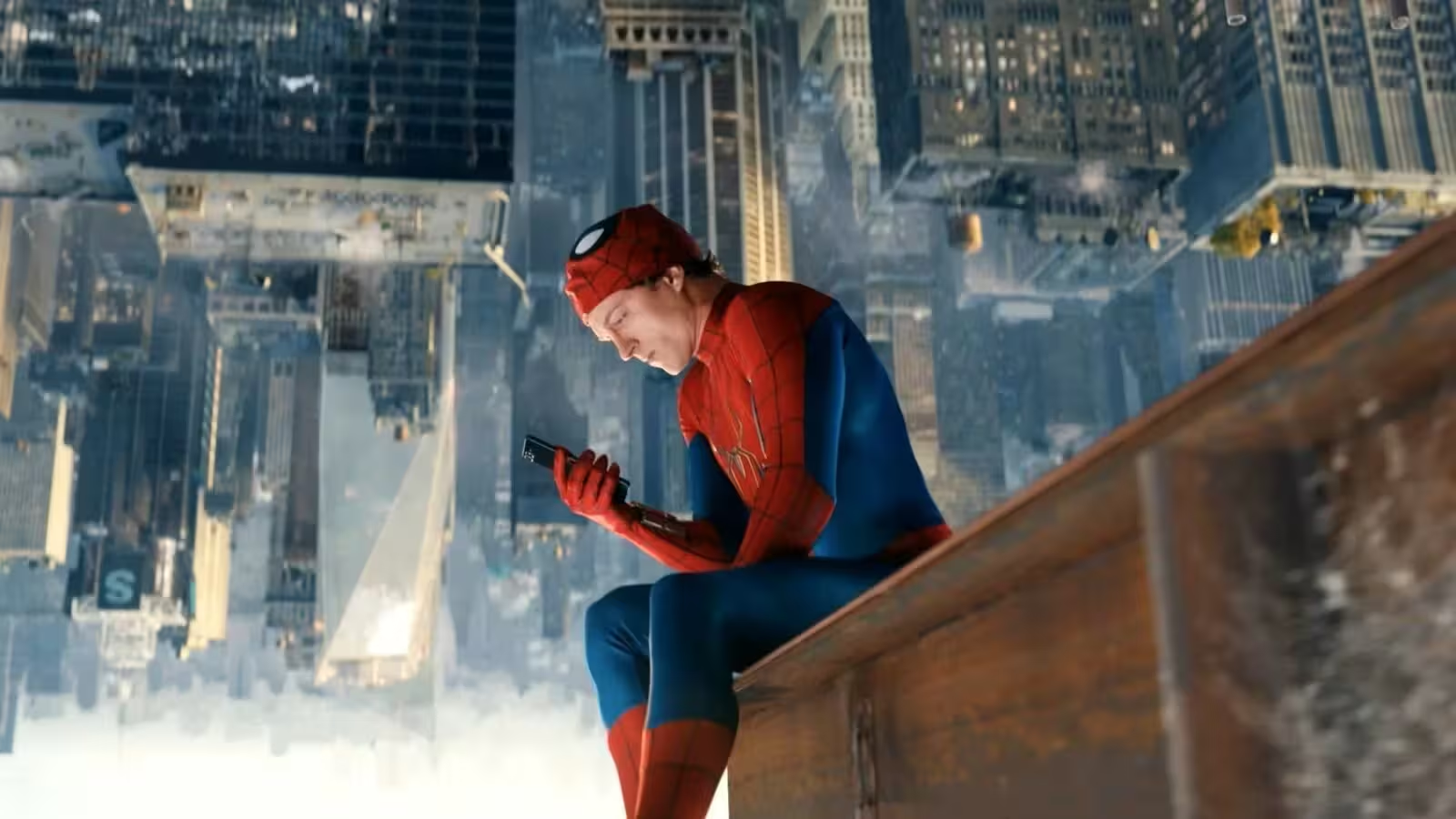
Tonally, the film borrows the best of detective noir. Peter’s new life reads like a series of case files: small crimes, bigger patterns, a creeping sense that something telepathic and dangerous threads the city together. The narrative invites the audience to play detective alongside Spider-Man. Every clue nudges us toward an antagonist who isn’t the usual street-level tech bad guy. The reveal—Jean Grey, reimagined and played by Cidney Sink—throws a curveball at franchise expectations.
Here is where the film stumbles, and honestly, where franchise politics peek through. Jean Grey is an audacious choice: not a traditional Spider-Man villain, but a mutant force with psionic scope. The decision expands the universe in interesting ways, but the character’s arc feels uneven. The screenplay wants us to empathize with her trauma while also holding her accountable for large-scale violence. The result is a tonal tug-of-war: are we watching a tragic victim or a mass-threat villain? Cidney Sink gives a sympathetic turn, but the film’s need to turn Jean into both terrorist and martyr dilutes the emotional payoff.
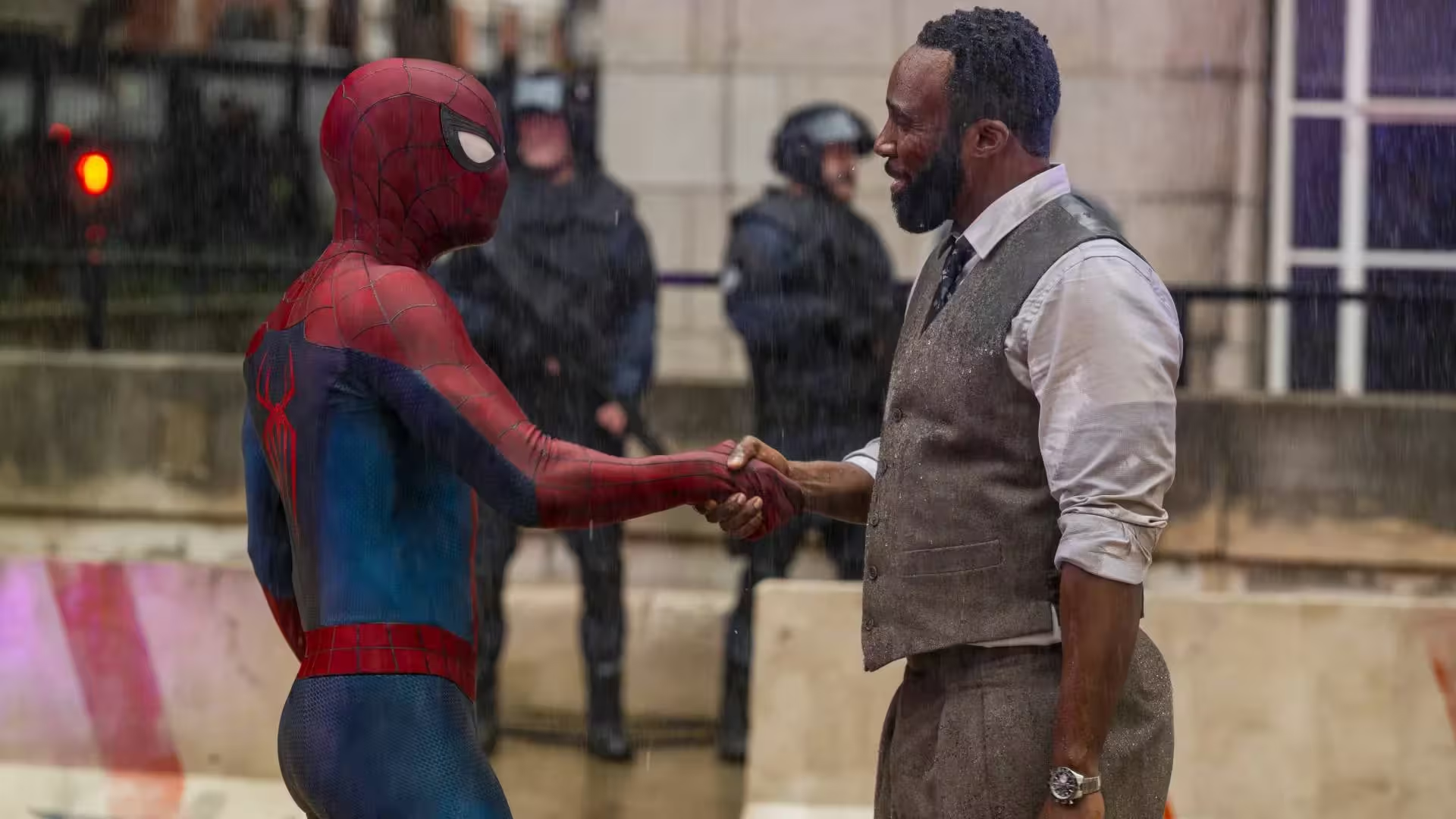
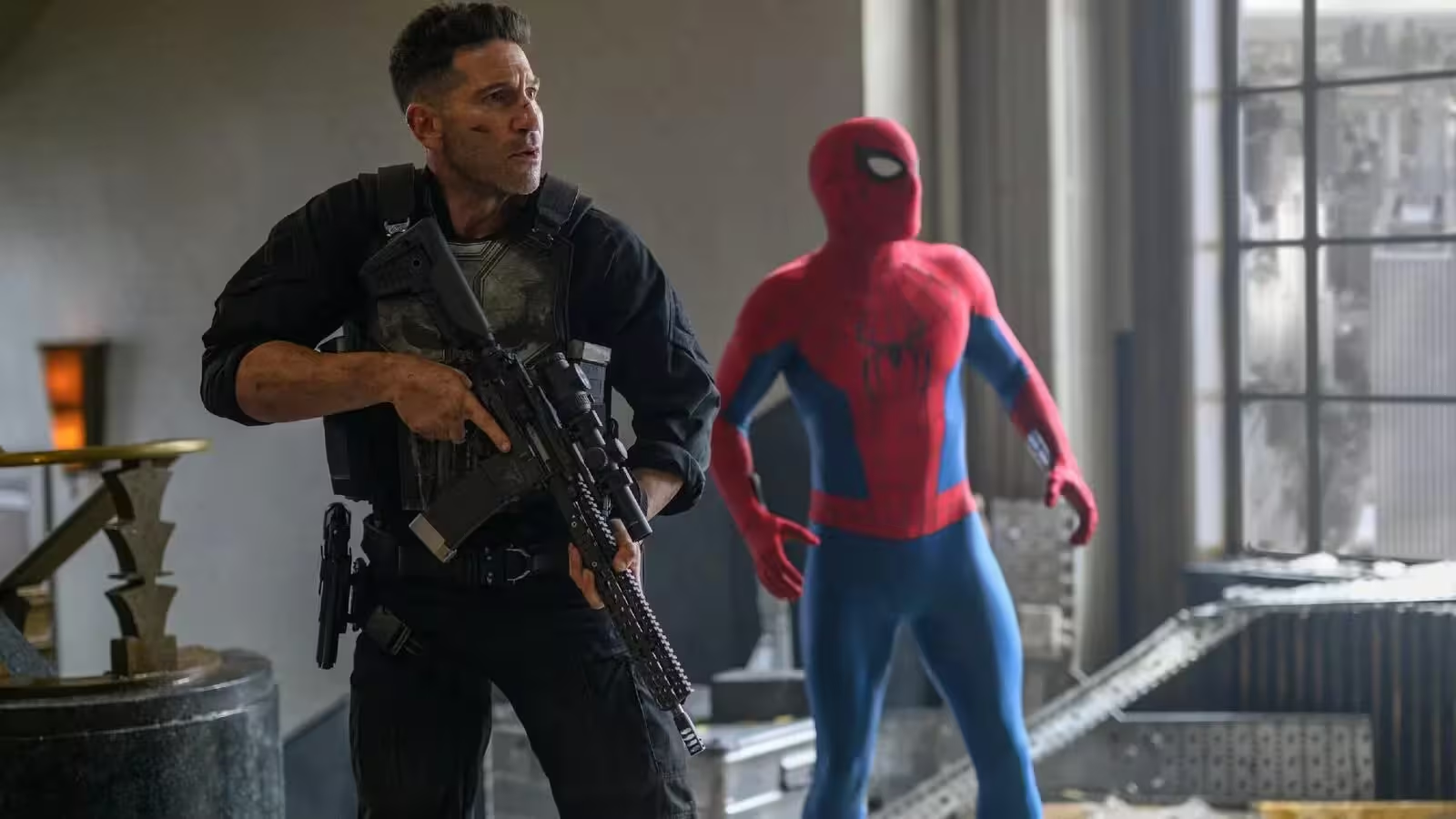
That said, the presence of Hulk and Punisher is not cheap cameo fodder. Both characters are woven into the fabric of the plot and underline the film’s central questions about identity and vengeance. Bruce Banner’s mentorship scenes provide science-bound counterpoints to Peter’s instinct-driven heroism, while Frank Castle forces moral reflection about justice, loneliness and the cost of single-minded crusades. These encounters aren't stunt casting; they enrich the narrative and seed future possibilities for the MCU.
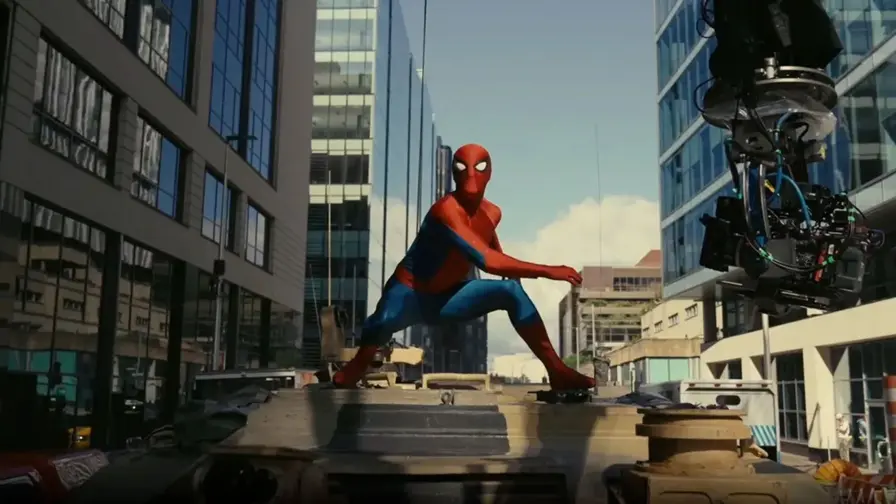
Action-wise, the film is a triumph. Spider-Man’s web-swinging remains a sublime cinematic sensation—fluid, kinetic, almost balletic. Fight choreography varies from intimate hand-to-hand to sprawling set-pieces that make clever use of New York’s verticality. Visual effects are top-tier, and the sound mix—Michael Giacchino’s score once again anchoring emotional beats—makes combat feel both brutal and elegiac. The movie never cheats the physics of Spider-Man movement; instead it enhances them.
Script and character work are the real engines behind the spectacle. The screenplay trusts the audience to sit with discomfort: with Peter’s isolation, with the moral ambiguity of a villain whose motives are understandable and yet unconscionable. That tension produces some of the film’s most memorable scenes, like the sequence where Peter watches MJ at a party and then collapses into the rain above the skyline. It’s cinematic shorthand for the film’s central conflict: the pull between Peter Parker the man and Spider-Man the symbol.
Still, imperfections matter. The backstory for Jean Grey is sketched too thinly; several consequential violent acts are shown but not interrogated deeply enough. There’s a sense that some choices were made to service wider franchise plans rather than this movie’s coherence alone. That doesn’t ruin the film. But it makes some emotional beats feel engineered.
Spider-Man: Brand New Day didn’t just win the market — it earned it.
It earned ticket sales because it balances big-studio spectacle with intimate character stakes. It earned credibility by refusing easy sentiment and by trusting its audience to experience loss without instant repair. And crucially, it earned goodwill by reminding viewers what a Spider-Man movie can feel like when it honors both the human and the heroic.

If you’re drawn to superhero cinema for the spectacle, you’ll find breathtaking set-pieces here. If you come for emotional resonance, the film—despite its missteps—has moments that linger. If you worry about franchise maneuvering, the movie offers clear hints of the paths Marvel might take next: X-related threads, darker, adult themes, and a Spidey trilogy that seems willing to grow up.
So go see it in a theater that still makes popcorn like a ritual. Pay attention to the silences as much as the fights. And ask yourself: when a blockbuster dares to be melancholic and muscular at once, what else might return to the big screen with it?

Leave a Comment
Comments (1)
wow, that scene with MJ in silence hit me harder than any fight. darker tone works, but Jean's arc felt rushed? still hyped to see where MCU goes next.