
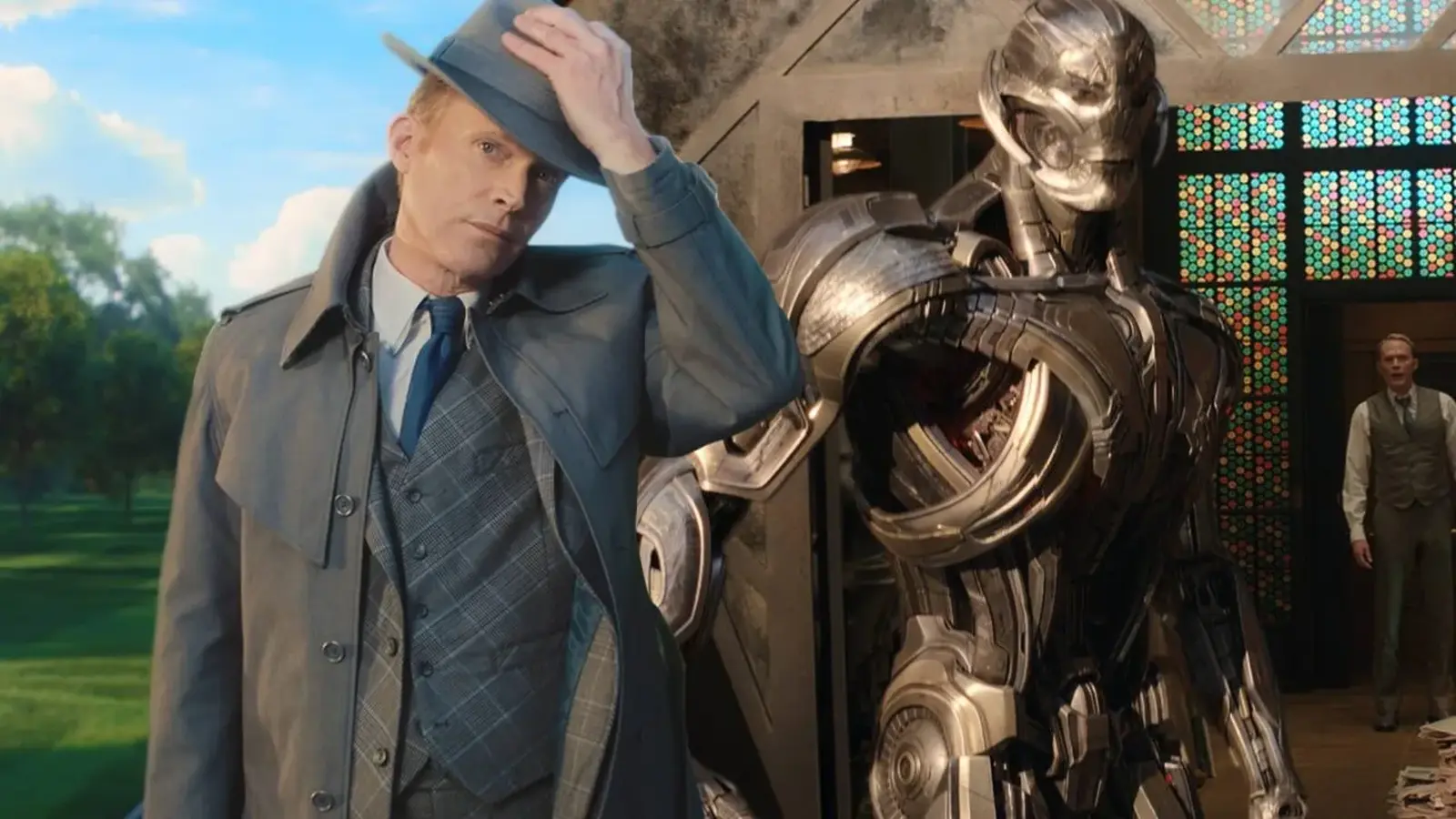
VisionQuest arrives like a familiar ghost with a new face — intimate, inquisitive and oddly stubborn. The show picks up threads from WandaVision and then pivots, asking a blunt question: what does a manufactured being do when it wants to be real? Short answer: it looks inward, and the journey is messy, poetic and divisive.
Created and showrun by Trey Matalas for Disney+, VisionQuest is a Marvel spin-off centered on Vision, the synthezoid who has long hovered between machine logic and human longing. The premise is simple to state but knotty to untangle: Vision tries to chart his own identity, communicates with embedded AI constructs inside his mind, and ends up on the run with a mysterious teenager who might be the reincarnation of his son. Matalas directs and guides the tonal choices, blending sci-fi conceits with a surprising appetite for emotional inquiry.
Critics haven’t reached a consensus. On Rotten Tomatoes, VisionQuest holds a favorable 85 percent based on 33 reviews. Metacritic paints a colder picture: five reviews average out to a 47 out of 100. Numbers tell us there is enthusiasm, but also friction. Why the gap? Look at what reviewers are praising and what they find wanting.
Some voices see VisionQuest as both an ending and a door. Collider awarded a strong 80 out of 100, praising the series for a layered script, bold visual choices and performances that marry veteran polish with fresh talent. That review frames the show as a satisfying continuation of what WandaVision began, one that nudges the MCU toward a more introspective, character-forward lane.
Other critics are less convinced. The Hollywood Reporter gave the series a 50, arguing that its best moments come when it narrows in on the core relationships. But there is a complaint stitched through several reviews: the show wants to do more than it has the narrative bandwidth to justify. Ideas hover; not all of them land.

IndieWire, also at 50, worries that the emotional arc has been softened by franchised imperatives. The review suggests the stakes are clear from early on, and yet the satisfying payoffs are postponed in favor of detours that dilute momentum. It reads like a sympathetic portrait that hesitates to commit.
Variety, scoring the show 40, applauds the visual inventiveness — the series plays interesting conceptual games on screen — but finds the imagery weighed down by heavy mythology and abstraction. In that view, VisionQuest resembles its protagonist: searching for feeling, but too often missing the mark.
Rolling Stone is the harshest of the group at 30, arguing that this is emblematic of big-studio TV that spends lavishly but speaks narrowly. That review frames VisionQuest as a niche entertainment, most likely to click with hardcore fans or viewers who are already invested in its premise.
So what emerges from this patchwork of praise and critique? The common thread is clear: VisionQuest is ambitious. It aims to probe identity, memory and empathy in a franchise whose default mode has long been spectacle. Sometimes the show lands those probes with piercing accuracy. Other times the needle slips.
For viewers who loved WandaVision's intimacy and surreal beats, VisionQuest offers rewards: thoughtful performances, scenes that linger, and imagery that feels intentional rather than incidental. For those looking for a taut, plot-driven thriller, the series may feel indulgent and slow. It is not a failure; it is a tonal gamble.
If you care about what it means to be human when your parts were never meant to be, VisionQuest is worth the ride. If you want neat answers handed on a platter, you may find the detours frustrating. Either way, the debate around the series says something bigger about the MCU: it is still willing to experiment.


Leave a Comment
Comments (1)
Whoa, VisionQuest sounds like the weird melancholic ride I wanted. Risky, poetic, sometimes messy, but I'm in. If it nails the ending tho, wow.