
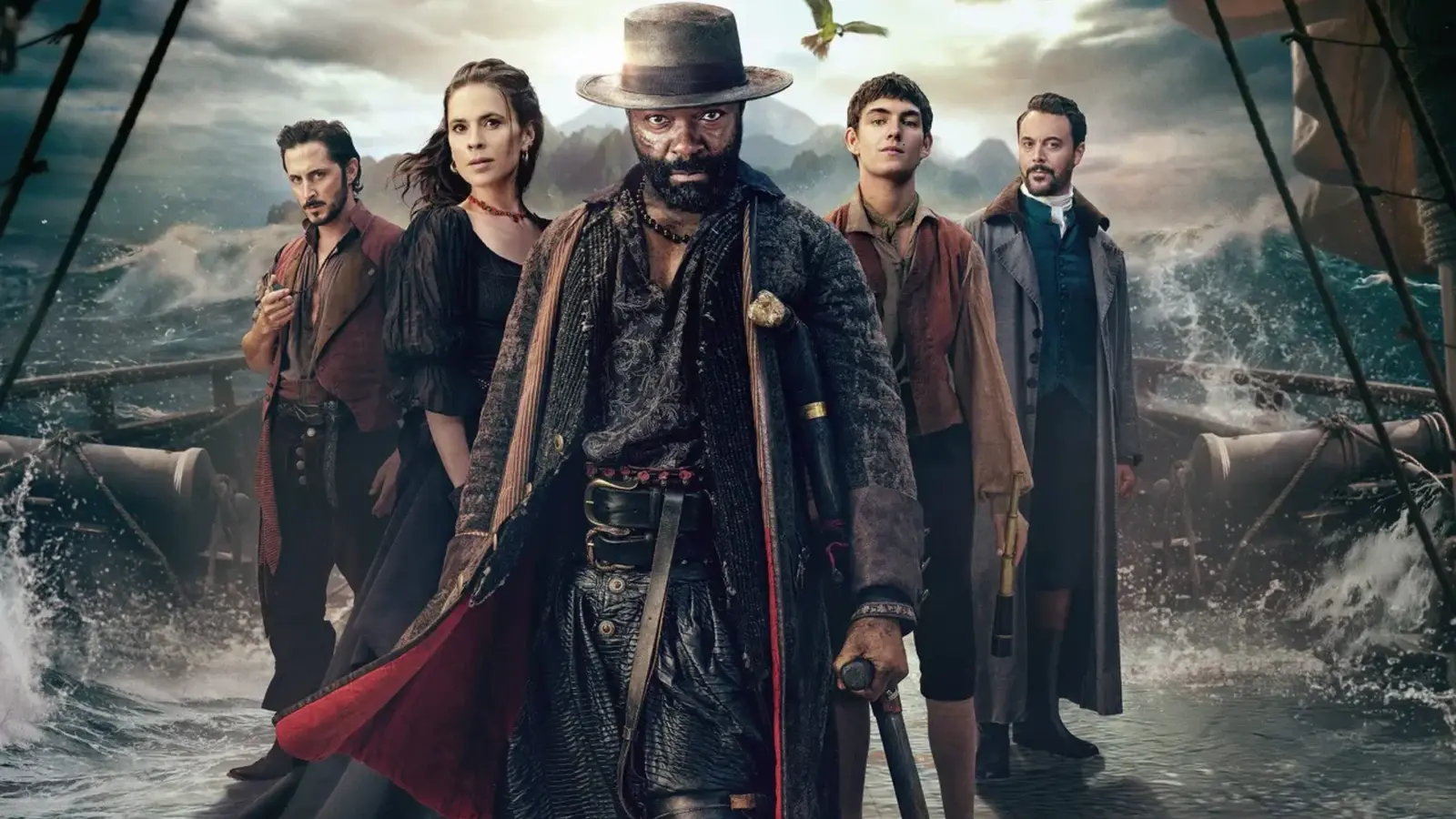
Not every treasure is worth the hunt. The latest TV take on Robert Louis Stevenson’s classic, simply titled Treasure Island, arrives flashy and confident — and critics are split down the middle.
The six-episode series follows Jim Hawkins and his mother after they uncover an old map that promises hidden riches. As expected, the chase draws in seasoned pirates and a determined British agent, turning a straightforward hunt into a tangle of alliances, betrayals, and competing appetites for gold.
David Oyelowo plays a reimagined Long John Silver, and he’s joined by Tom Sweet, Hayley Atwell, Tomer Capon, and Jack Huston in a U.S.–U.K. co-production from Playground Entertainment. The production spares little on spectacle: broad sea vistas, lavish period detail, and action set pieces that lean into the show’s adventurous bones.
Still, spectacle alone doesn't decide a series' fate. On Rotten Tomatoes the show has just seven critic reviews and a 14 percent score. Metacritic, with five reviews counted, paints a more mixed picture at 52 out of 100. Those numbers capture the wide gulf in how reviewers respond to a familiar tale being rewritten.
Some critics applaud the ambition. Radio Times gave it 80/100, praising a handsome, high-quality adventure that packs both charm and a dangerous edge. Collider scored it 60/100 and noted that early narrative changes strengthen the setup, though later surprises push the show away from its original compass — perhaps intentionally, as the finale leaves the door open for another season.
Others are less forgiving. RogerEbert.com landed at 50/100, arguing that stretching the classic into a lean, episodic format sometimes dulls crucial characters and pads the story with contrivances. Screen Rant and the Wall Street Journal, each assigning 40/100, pointed out that while Oyelowo seems to relish the role and the production values are clear, many of the alterations feel predictable rather than inspired, prompting doubts about the maker's devotion to Stevenson’s spirit.
Expect bold rewriting and glossy execution — but not a faithful retelling.
What emerges is a version of Treasure Island that aims to be both period spectacle and modern drama. It succeeds visually and in moments of acting bravado, particularly when Oyelowo leans into showmanship. Yet the same reinventions that refresh the narrative for some viewers alienate others who wanted a closer echo of the novel’s moral roughness and straightforward momentum.
So which side are you on? If you hunger for large-scale adventure with fresh detours, this adaptation will sate you. If you prefer the compass of the original tale, expect to be arguing over the map long after the credits roll. Either way, this Treasure Island insists you make your own verdict.


Leave a Comment
Comments
No comments yet. Be the first.