
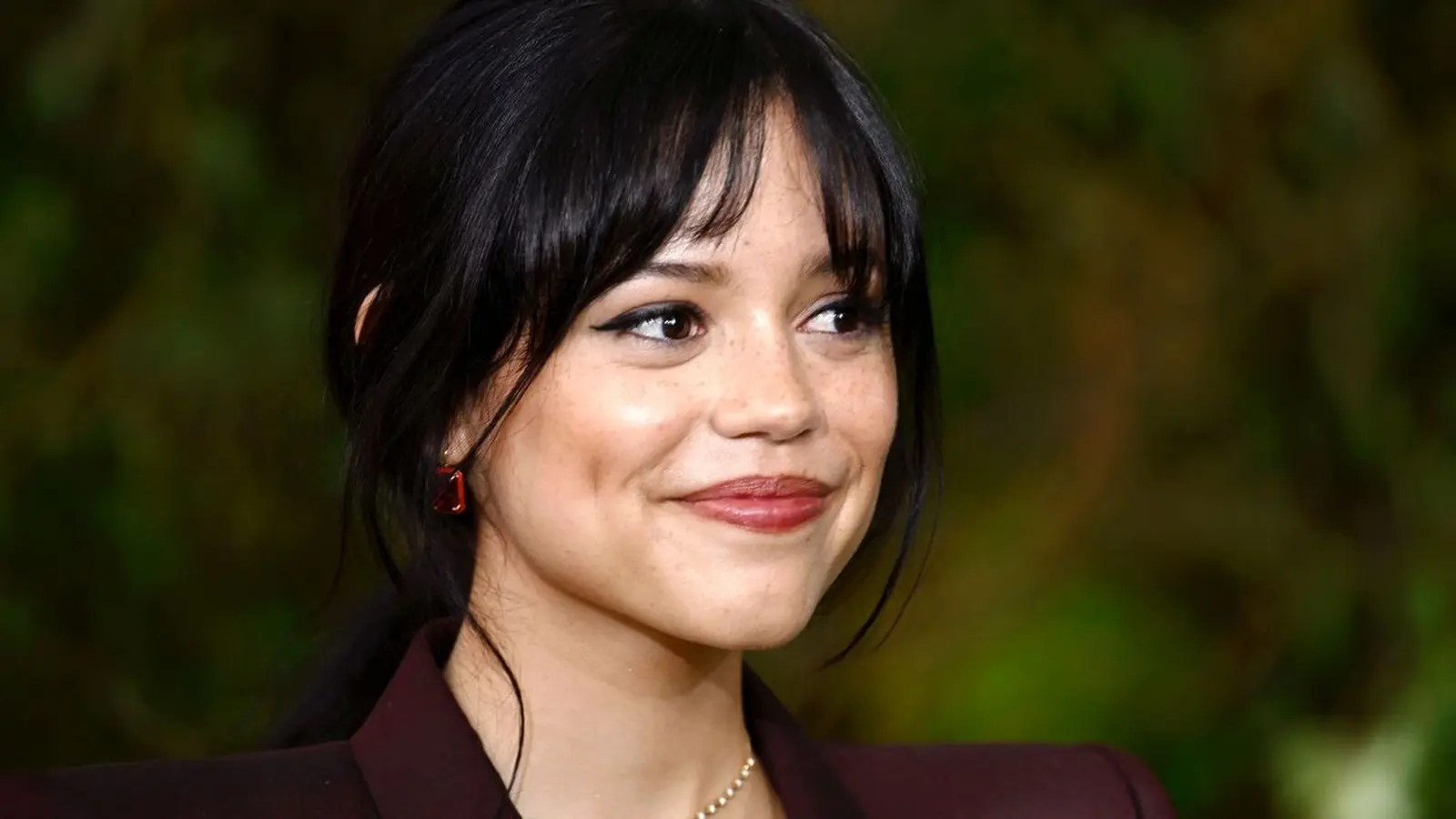
Jenna Ortega stepped onto the London carpet like someone arriving from another story. New hair. A quieter presence. Yet the energy was unmistakable: this is an actor intent on shedding labels.
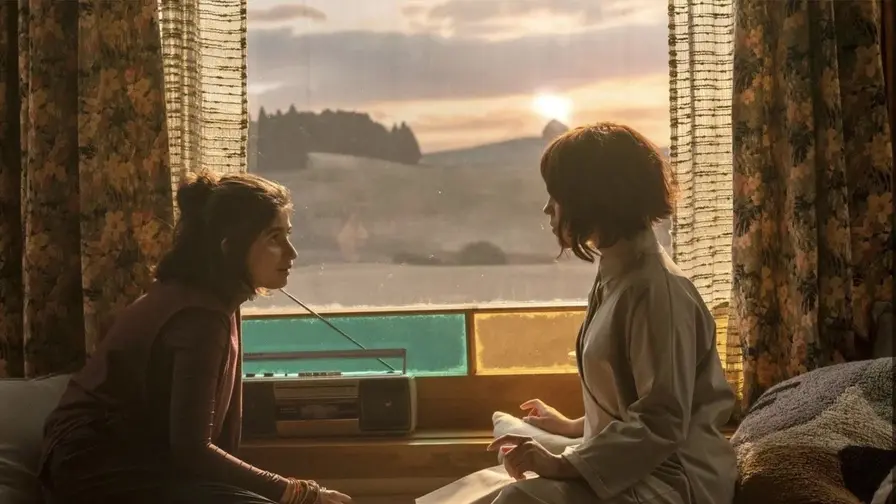
She came to introduce Klara and the Sun, Taika Waititi's long-anticipated adaptation of Kazuo Ishiguro's bestselling novel. Ortega plays Klara, not a sidekick but an artificial friend with a clear-eyed curiosity about humans. Klara wants a home. She wants to belong. And in doing so she upends the fragile balance around a teenage girl named Josie.
Josie is played by Mia Tarya, and her relationship with her mother, portrayed by Amy Adams, forms the emotional axis of the film. Underneath the sleek production design and the speculative premise, Waititi asks blunt, old-fashioned questions about love, loss, and what it means to be human. Can a constructed companion teach us more about ourselves than we ever expected?
If you know Waititi from his sharper comedies, expect something different here. He wrote and directed this version with a lighter hand on the jokes and a heavier one on tenderness. He has admitted publicly that early attempts to inject overt comedy into the script didn't land. So he pivoted. The result is quieter, sometimes melancholy, often unexpectedly tender. That choice suits Ortega. Klara is not another gothic icon. She's luminous in a softer key — hopeful, observant, oddly brave.
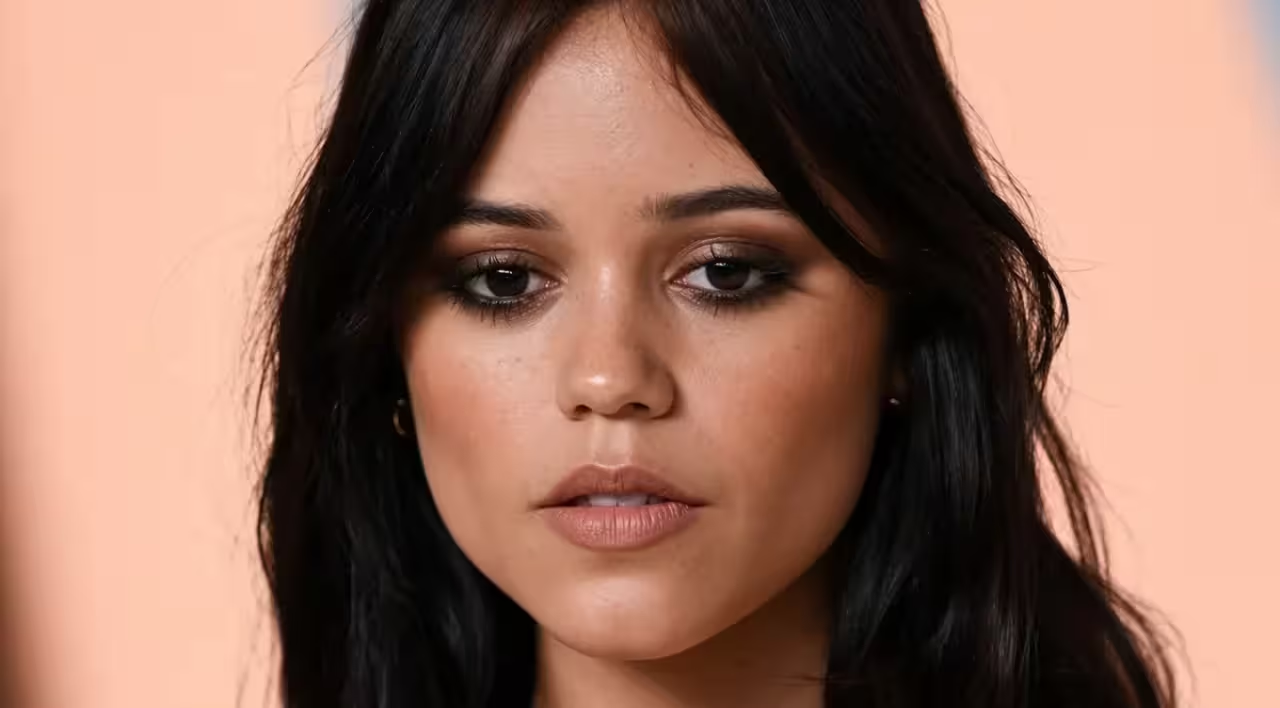
The cast reads like a carefully mixed playlist: Steve Buscemi, Natasha Lyonne, Simon Baker and Aran Murphy round out the ensemble, each bringing small but memorable textures to a story that pivots on intimacy rather than spectacle. Michael Giacchino supplies the score, a collaborator who knows how to color Waititi's moods without overwhelming them.
Festival audiences will get an early look: Klara and the Sun will have its major debut at the 70th BFI London Film Festival, with a screening at the Royal Festival Hall on October 15. Then it lands in U.S. cinemas on October 23, 2026 (1 Aban 1405). Mark the date if you follow performances that redefine an actor's range.
There are quieter thrills here than blockbuster thrills. The tension isn't in chases or explosions, but in the small, often fragile gestures — a hand held too long, a silence that means more than speech. What does it look like to care for someone who was never born, but who might feel as deeply as you do? The film doesn't pretend to have easy answers. It invites you to sit with the question.
For Ortega, this film feels like a pivot point. Audiences who first noticed her in darker, genre-heavy roles will see a different facet: restraint, warmth, and the capacity to anchor a film that refuses to shout. It's a performance that lingers.
See Klara and the Sun in theaters on October 23, 2026.
Curious how a story about artificial companionship can mirror our own need for connection? The film is a gentle nudge to look up from our screens and wonder what we owe one another.

Leave a Comment
Comments
No comments yet. Be the first.