
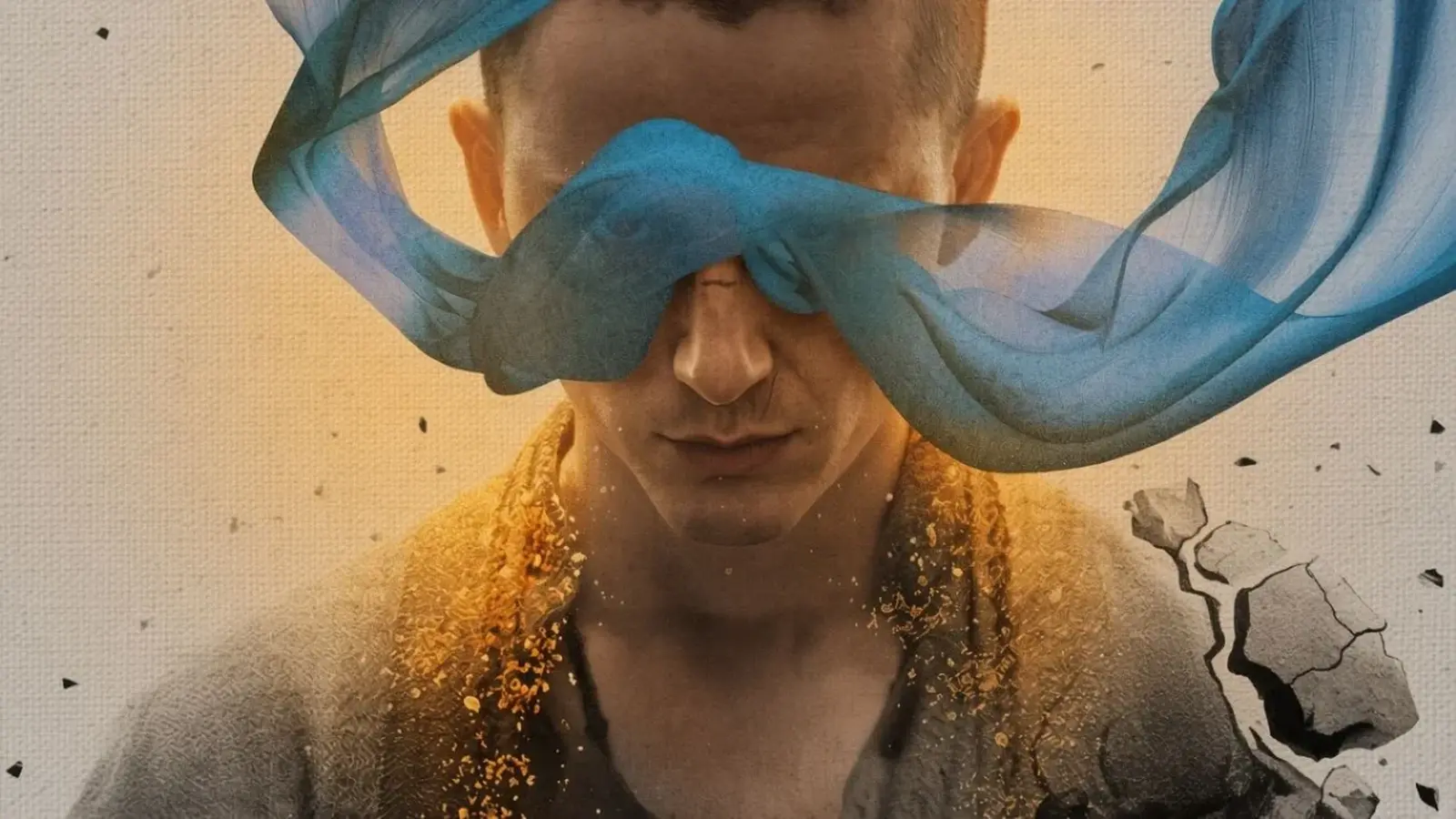
Imagine returning to Arrakis and finding a planet you barely recognize. That's the promise Denis Villeneuve is making: Dune: Part Three will carry the franchise's DNA, but its pulse will be different—slower in places, sharper in others, and haunted by the consequences of power.
Villeneuve told Empire that the new film takes place roughly 17 years after the events of Dune: Part Two. Paul Atreides is no longer the insurgent boy who rose to lead a revolution; he's an emperor whose rule has reshaped the galaxy. That passage of time isn't cosmetic. It alters motivations, wounds characters, and rewrites how they perceive reality.
So what changes? Rhythm, mostly. And tone. The director wanted to keep recognizably Dune elements—sands, spice, prophecy—but to splice them into a story that feels like its own animal. The goal, he says, was to return to the world not out of nostalgia but because he was ready to push the story to a rigorous end.
Timothée Chalamet, returning as Paul, describes a role that's messy and morally fraught. This isn't a straightforward hero's arc. It's more of a moral labyrinth. Chalamet relishes the complexity: a leader who cannot be easily boxed into a traditional champion or villain. The screenplay leans into isolation, siege and suspicion—mood music that echoes Frank Herbert's Dune Messiah, the novel that inspired this film.
Expect fewer spectacle-first sequences and more attention to the psychological and political fallout of rulership. Villeneuve has said plainly that Part Three examines the price of the empire Paul forged—and the ways that power entangles, corrodes and compels repetition of violence even when escape seems possible.
After finishing this chapter, Villeneuve will swap desert vistas for tuxedos: he's lined up to direct the next James Bond. He joked—and it's an image that sticks—that he needed a rocket to launch him away from Arrakis. Directing Bond, he added, felt like exactly the corrective he needed after years in Frank Herbert's universe.
Dune: Part Three opens internationally in IMAX on December 16, 2026, and arrives in North American theaters on December 18, 2026.
What lingers most from Villeneuve's description is a tone of finality. This is the closing chapter of his trilogy and a careful translation of Dune Messiah's themes: leadership's unintended consequences, the hollowness of triumph, and the human cost of absolute authority. It's a pivot away from expanding the universe at all costs and toward probing the inner wreckage that expansion leaves behind.
In short, fans should prepare for a Dune that feels familiar and strange at once—less about new worlds on the map and more about the one inside a ruler's head.


Leave a Comment
Comments
No comments yet. Be the first.