
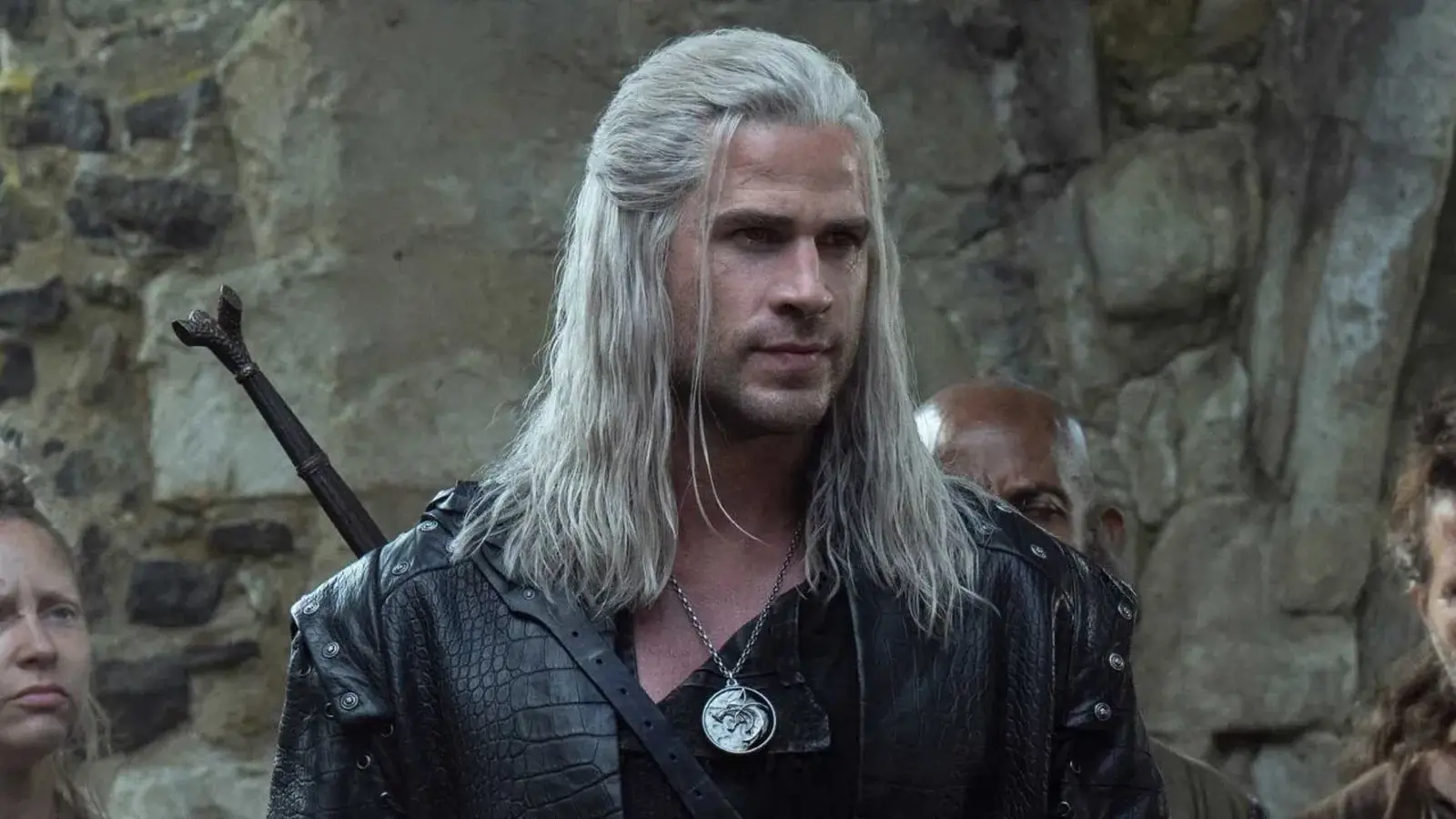
Netflix has quietly pushed The Witcher’s fifth and final season out of its 2026 schedule—and that little calendar tweak carries an outsized meaning. Fans expecting a fall finale will have to wait. Longer than anyone guessed.
There’s no mystery about cancellation: the show is coming back. But the postponement is real, likely driven by lengthy post-production work. Visual effects and editing. Sound design and color timing. All the invisible, expensive pieces that determine whether a finale feels cinematic or rushed. The studio filmed seasons four and five back-to-back, so the story is finished; the delivery is what’s been slowed.
That delay gives The Witcher a curious new honor: when season five arrives—most signs point to March 2027—the series will have stretched across more than seven years on streaming, edging past Prime Video’s Good Omens to become the longest-running original fantasy on streaming platforms.
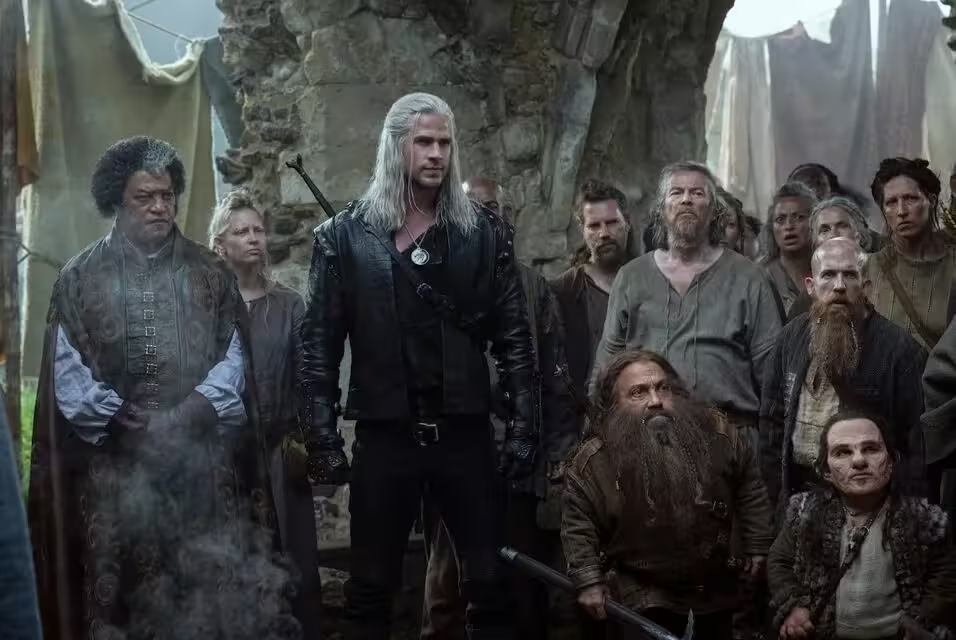
It’s a record born of endurance rather than uninterrupted momentum. Remember how season four landed? The reaction was mixed at best. Critics were blunt. Fan chatter skewed negative. Audience scores dropped markedly compared with earlier chapters. For context: season one launched in December 2019 to broadly positive buzz, season two enjoyed strong critical praise in December 2021, then season three and four saw growing divides between critics and viewers—ratings and reception shifted in ways that complicated the show’s trajectory.
Given that roller coaster, some feared Netflix might yank the plug entirely. That never became a real option: with seasons four and five shot concurrently, finishing the saga became a production inevitability. What changed was timing. By stepping out of the crowded 2026 slate, The Witcher avoids a brutal fall head-to-head with several heavyweight fantasy releases.
What would that competition have looked like? Prime Video’s The Lord of the Rings: The Rings of Power begins its third season on November 11, followed by Percy Jackson and the Olympians season three on Disney+/Hulu on November 20. Then comes HBO’s highly anticipated Harry Potter adaptation on Christmas Day. Those are not casual opponents; they’re giant marketing machines and franchise names that eat viewer attention.
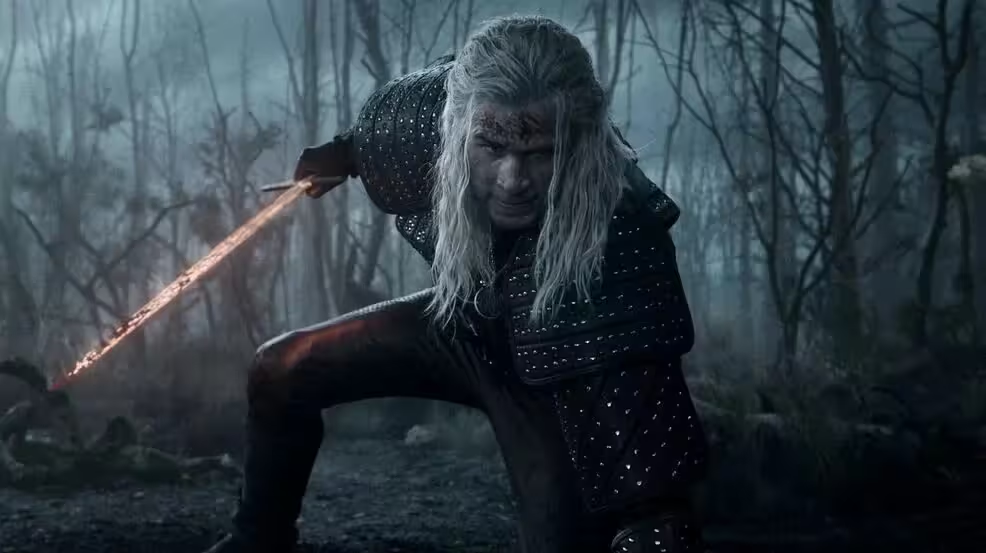
Move the date to spring, though, and the calculus changes. March is quieter. The show could find space to breathe, reach more casual viewers who weren’t tempted by an overloaded autumn, and perhaps achieve a better critical reappraisal with more polished post-production. It’s a gamble. But it’s also a common-sense play for a legacy series that still needs a respectable ending.
For long-term fans, the delay is bittersweet: more waiting, yes, but also the promise of a finished arc. The Witcher began as the kind of launch that convinces skeptics—a striking opening sequence and Henry Cavill’s embodiment of Geralt drew many in back in December 2019. Over time the show became a weathered traveler, battered by debate and yet persistent.
When season five finally arrives, it will close a chapter that began more than seven years earlier. That span catapults the series past Good Omens’ seven-year run and places The Witcher at the top of streaming’s long-running fantasy list—warts and all. Whether that longevity reads as triumph or merely survival depends on how satisfying that final season feels to the people who stuck with it.
So mark your calendars—tentative March 2027—and get ready for one last ride through monster-haunted roads, tangled loyalties, and the gray moralities that made the show both loved and argued over.


Leave a Comment
Comments
No comments yet. Be the first.