

Pompliano says most of crypto will not recover
Investor and Bitcoin advocate Anthony Pompliano has doubled down on his controversial assessment that the majority of the cryptocurrency industry is effectively 'dead' and unlikely to return to its former promise. In a Nov. 20 post on X, Pompliano reiterated a position he first voiced in May: while much of the crypto ecosystem has failed to deliver lasting utility, a handful of key segments remain capable of creating real value.
Context: a public debate over crypto's utility
The renewed criticism came after the account Boring Business contrasted the rapid commercial adoption of artificial intelligence with crypto's persistent focus on speculation, meme tokens, and retail investor losses. Boring Business pointed to high-profile AI progress — including public listings and clear revenue growth at firms like Anthropic — as evidence that AI is delivering measurable business returns. Pompliano agreed that AI has produced tangible, revenue-generating products, but argued that condemning the entire crypto industry overlooks resilient building blocks that continue to serve financial markets and new innovation.
The four crypto sectors Pompliano believes will survive
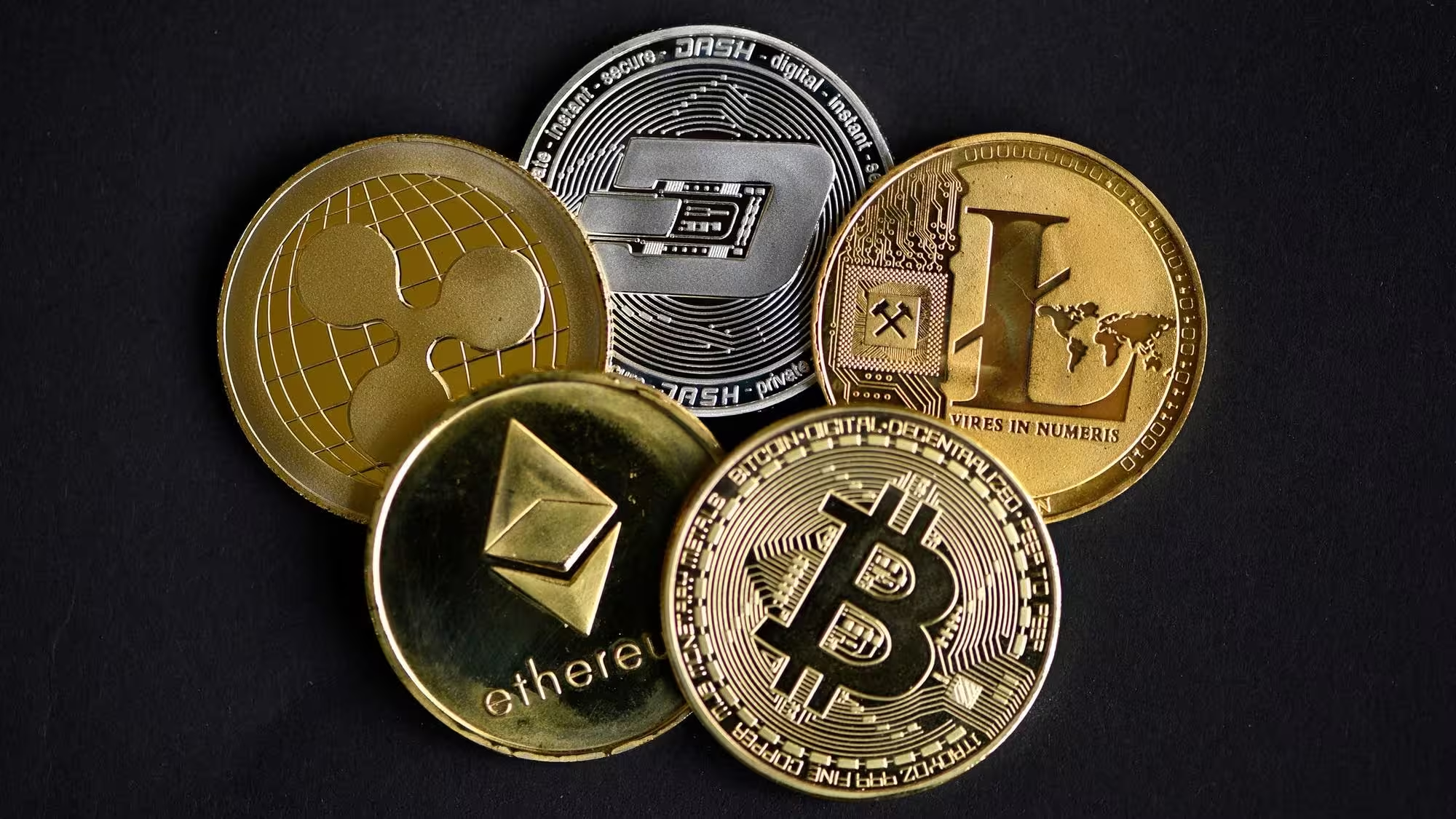
Rather than dismissing cryptocurrencies wholesale, Pompliano outlined four areas he expects to endure: Bitcoin, stablecoins, crypto infrastructure, and tokenization platforms. Each plays a distinct role in bridging legacy finance and blockchain-native capabilities.
1. Bitcoin: digital gold and settlement layer
Pompliano remains bullish on Bitcoin as a durable store of value and a foundational layer for on-chain settlement and emerging use cases. He has repeatedly emphasized Bitcoin's narrative of scarcity, robust decentralization, and network effects. For many investors and institutions, Bitcoin continues to be the primary exposure to digital assets, distinct from speculative tokens.
2. Stablecoins: the rails for digital commerce
Stablecoins such as Tether and other regulated dollar-pegged tokens are singled out for their utility in payments, cross-border transfers, and as a bridge between fiat and crypto markets. Recent industry metrics — including Visa’s disclosure that its stablecoin settlement service has reached an annualized run rate above $25 billion — underscore how stablecoins are gaining traction with payment providers and corporates seeking fast, programmable settlement.
3. Crypto infrastructure: custody, exchanges and services
Infrastructure providers including Coinbase, Binance and other regulated custodians and exchanges remain central to any future crypto ecosystem. These firms power on-ramps for retail and institutional liquidity, offer custody solutions, and provide compliance and operational frameworks that legacy institutions can trust.
4. Tokenization platforms: digitizing real-world assets
Tokenization platforms such as Figure and Hyperliquid are highlighted for their ability to convert traditional assets — equities, bonds, real estate — into blockchain-native tokens. This trend is already getting traction: Morgan Stanley and other institutions are experimenting with tokenizing U.S. equities and Treasury securities on DTCC’s blockchain-based service, a move that points to direct competition between tokenization services and incumbent financial infrastructure.
AI’s commercial momentum puts pressure on crypto to show utility
Boring Business’s critique centers on the idea that AI has rapidly moved beyond hype into clear, measurable business outcomes while crypto often remains tethered to speculation. The account noted meme coins launched around high-profile events, including tokens tied to public figures, and argued this pattern illustrates crypto’s struggle to produce everyday utility. Pompliano conceded AI’s widespread adoption, noting that AI tools are already benefiting hundreds of millions and generating substantial revenue growth across multiple firms.
But he also pointed to recent real-world examples where blockchain infrastructure is being used beyond trading — Visa expanding AI payments programs across Asia Pacific and piloting stablecoin-funded cross-border transfers with Singapore’s dtcpay, for example — as evidence that crypto technologies can deliver operational value when integrated with existing payment rails.
Top crypto investors are broadening their focus
Pompliano says the smartest investors in the crypto space are adapting: many are evolving from an exclusive focus on digital assets to a wider emphasis on frontier technologies, including AI. He cited his own involvement with Silvia, a public company operating at the intersection of Bitcoin and artificial intelligence, as an example of how capital and talent are crossing between these sectors.
In an investor letter earlier in November, Pompliano reiterated that Bitcoin and AI remain two investment themes he finds compelling, despite cyclical underperformance. He framed shifting allocation strategies among successful investors as a rational response to changing market facts: diversify into technologies that demonstrate product-market fit and real revenue while retaining exposure to high-conviction crypto bets like Bitcoin and regulated stablecoins.
What this means for crypto investors and industry participants
For investors and builders, the implication is clear: prioritize durable, regulatory-compliant infrastructure and real-world utility over speculative token launches. Areas to watch include regulated stablecoin adoption, custody and exchange compliance, tokenization projects that integrate with institutional workflows, and transaction rails that support cross-border payments. At the same time, exposure to AI and other frontier technologies can complement crypto allocations and mitigate sector-specific risks.
Pompliano’s stance is both a warning and a roadmap: many crypto projects may struggle to recover without demonstrable utility, but sectors that enable payments, custody, asset tokenization, and Bitcoin’s store-of-value narrative are positioned to survive and potentially thrive as blockchain technology continues to mature.
As Pompliano put it in his Nov. 20 post, evolving your thinking when new facts emerge is prudent. For crypto’s next chapter, that evolution may mean tighter integration with traditional finance, stronger regulatory compliance, and strategic cross-pollination with technologies such as AI.


Leave a Comment
Comments (1)
is this even true? Pompliano saying 'most' is dead feels dramatic. Bitcoin ok, but what about Layer 2s, defi? regulators gonna decide a lot, imo