
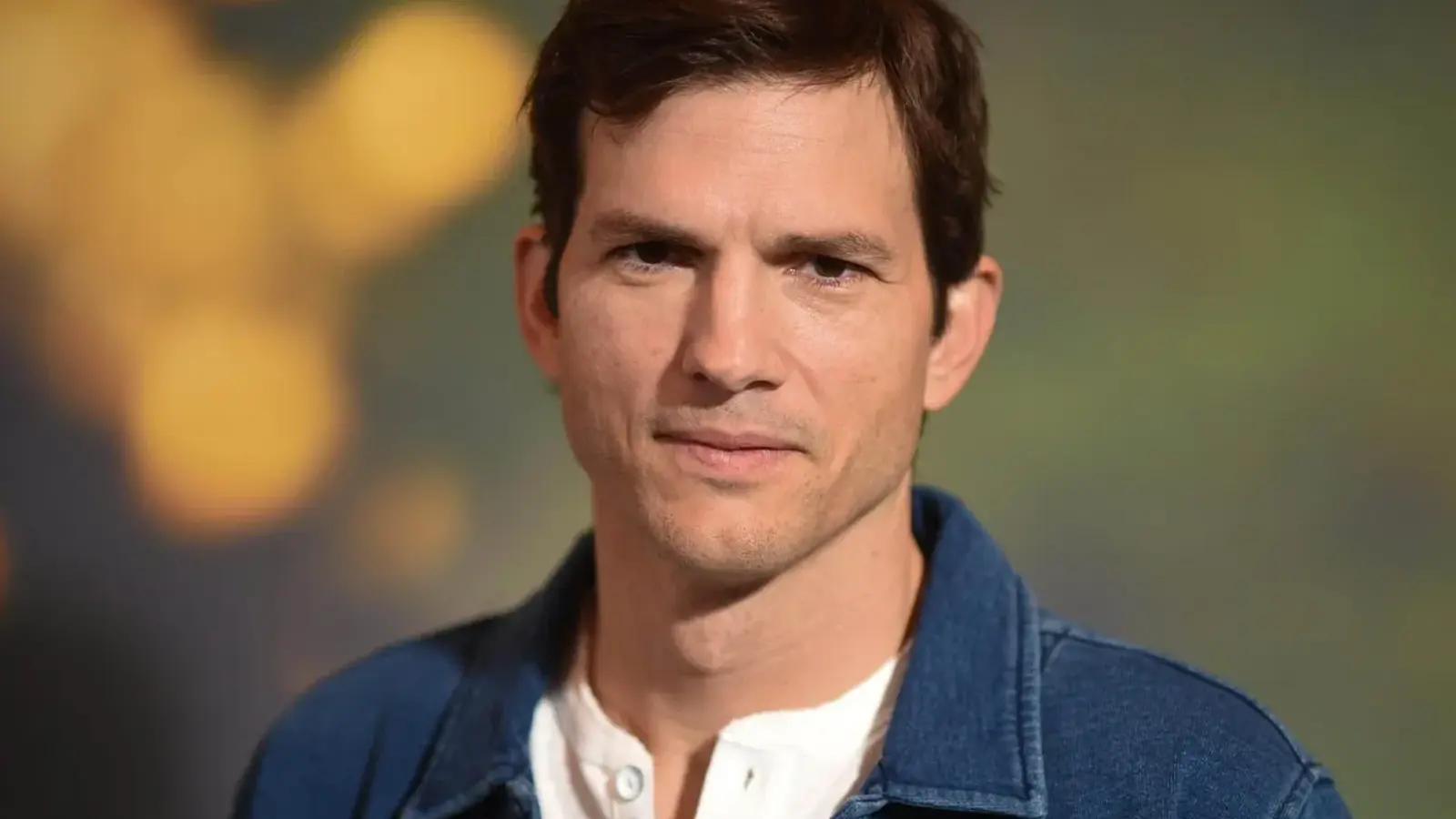
Ask most people about Ashton Kutcher and they'd probably mention That '70s Show or his prank-filled TV persona. Few picture him hunched over spreadsheets or scouting the next big tech startup. Yet over the last decade Kutcher's financial life has quietly drifted far from sitcom sets and hidden cameras.
He planted his flag in Silicon Valley long ago. In 2010 he co-founded A-Grade Investments, and in 2015 he launched Sound Ventures. Together those outfits oversee more than a billion dollars and a portfolio that reads like a who’s-who of modern tech: Airbnb, Uber, Robinhood, Affirm and even stakes linked to OpenAI have all been part of the mix. Small bets turned into larger wins. And when one of those bets starts to multiply in value, headlines follow.
That frenzy reached a peak after Sound Ventures put $435 million into Anthropic in 2023. Newsweek later reported that the stake’s paper value climbed to about $7 billion. Sensational? Sure. Definitive? Not really. Headlines conflated the fund’s valuation with Kutcher’s personal bank account, a leap that deserves a skeptical eyebrow.
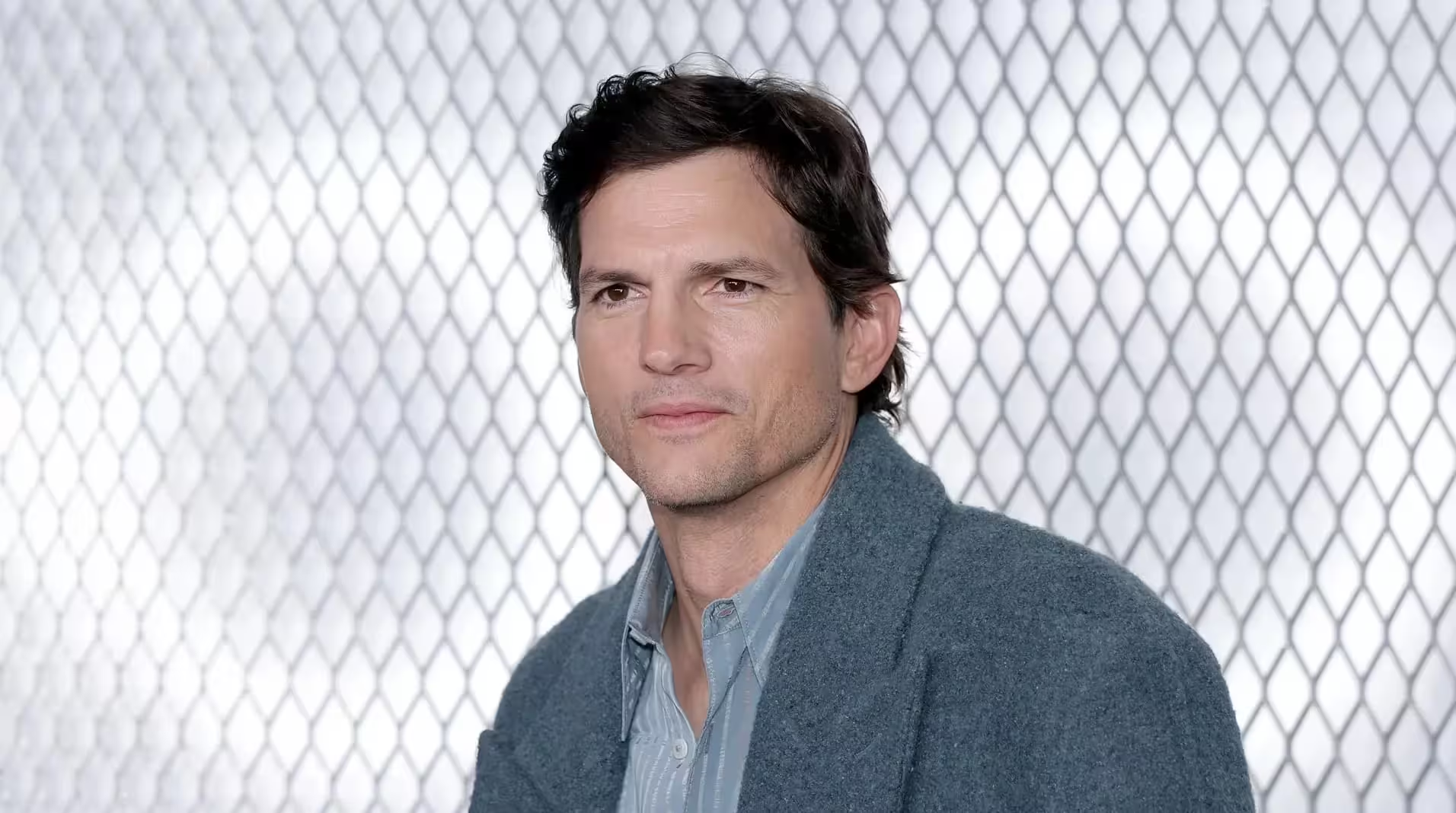
Why the confusion? When private companies move toward public markets, valuations become easier to cite—and easier to sensationalize. A public float or a new round of funding gives journalists a number to quote, but that number represents the fund or the company, not a single person’s liquid wealth. In other words: big headlines, subtle nuance.
Estimates of Kutcher’s net worth still fall firmly in the hundreds of millions. Celebrity Net Worth pegs him around $500 million, crediting a large share of that to venture investing rather than acting paychecks. Other outlets offer ranges—some as low as $200 million, some slightly higher—but none reliably place him at the very top of the celebrity-wealth charts.
Those charts themselves disagree. A 2026 list based on Forbes data put Tyler Perry near $1.4 billion and Arnold Schwarzenegger above $1.1 billion, with Bollywood heavyweights and Hollywood veterans also claiming the upper rungs. Some alternative lists even show wildly different leaders, with valuations stretching into the billions. Rankings depend heavily on methodology: how businesses are valued, which assets are counted, and whether private holdings are estimated conservatively or optimistically.
So where does that leave Kutcher? He is undeniably one of Hollywood’s savvier investors. Early allocations to companies like Uber and Airbnb turned a modest fund into a lucrative engine, and his AI-era bets — Anthropic among them — could turbocharge future gains. But being a successful investor is not the same thing as being the richest actor on the planet. Current evidence points to a net worth in the high hundreds of millions, not the multi‑billion-dollar league.
Of course, fortunes can change quickly in tech. A single blockbuster exit or a gleaming IPO could tilt the scales overnight. For now, though, the smarter takeaway is this: Kutcher’s profile has shifted from prankster to player in Silicon Valley’s theater. Whether that arc eventually crowns him the wealthiest actor remains a story still being written — and one worth watching closely.

Leave a Comment
Comments
No comments yet. Be the first.