
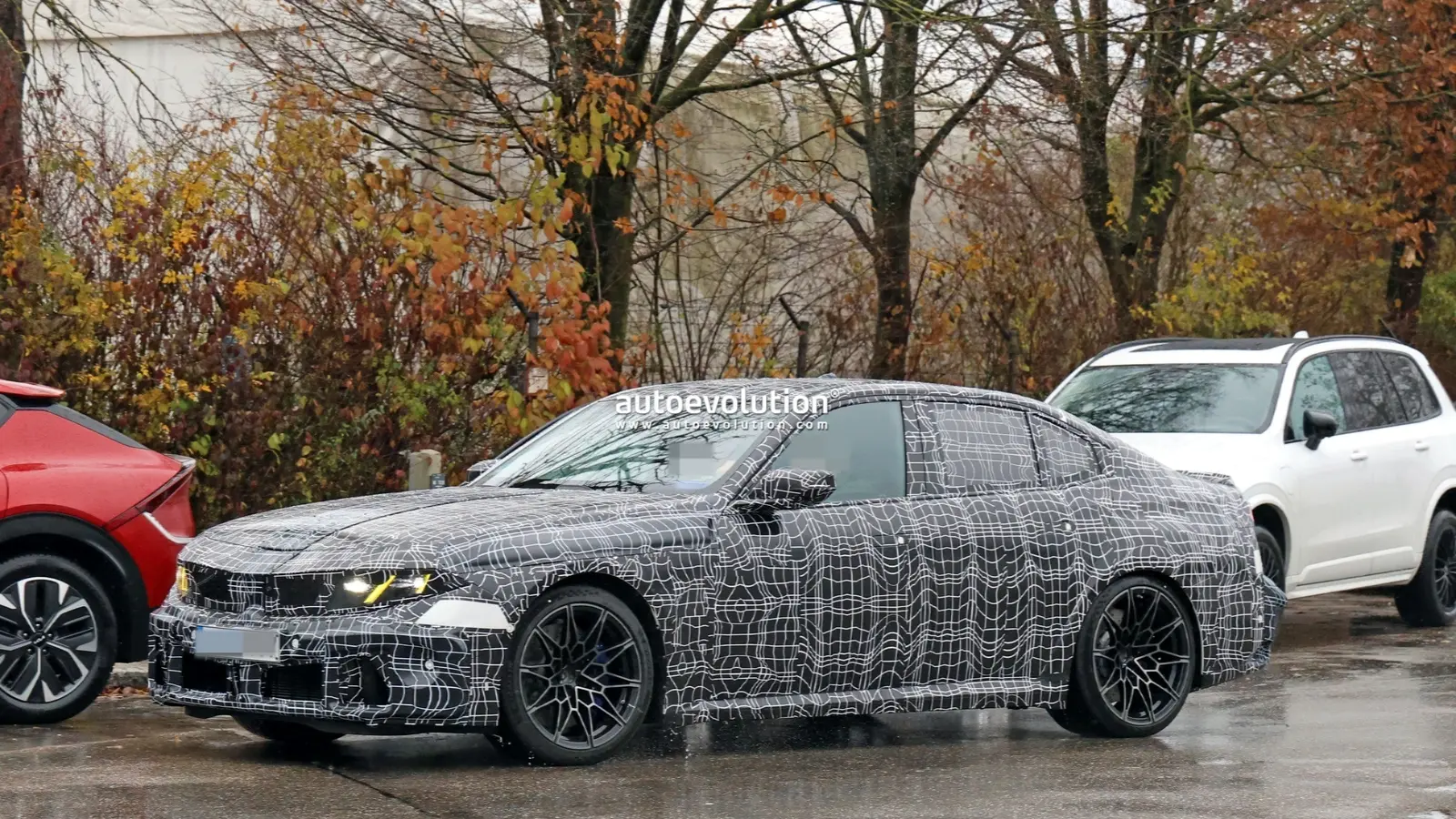
The next internal combustion BMW M3, set for production in July 2028 as a 2029 model, shows Neue Klasse‑inspired styling and distinctive yellow daytime running lights. The camouflaged prototype, classed internally as G84 and built on the current M3's Cluster Architecture, carries diagonal yellow elements that echo the full-electric M3 and the BMW M Concept Neue Klasse while signaling a link to BMW Motorsport and endurance racing.
Design, lighting and racing roots
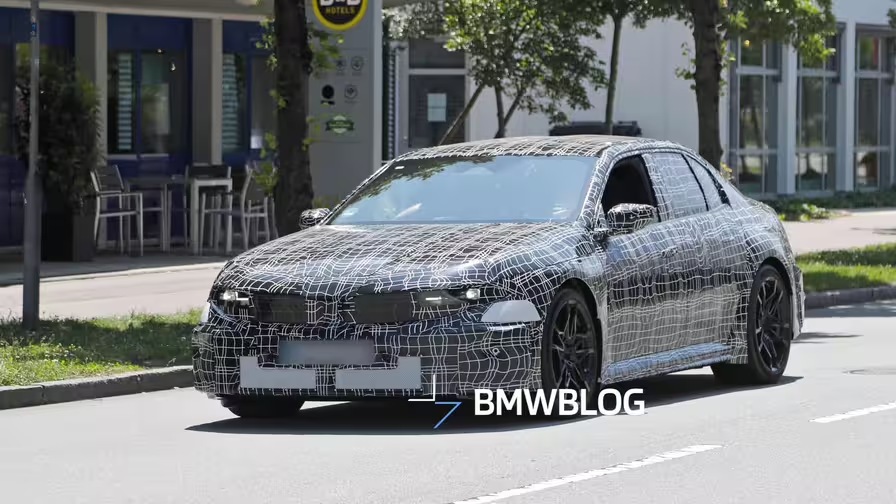
BMW has introduced yellow daytime running lights, or DRLs, on limited M models before, such as the M8 Gran Coupe First Edition and the F90 M5 CS. The M division uses yellow DRLs to visually connect its road cars to its factory GT racers, which have long run signature yellow front lighting. In multi-class endurance racing GT cars are required to use yellow lights while faster prototype classes use white headlights. Yellow illumination is also credited with reduced glare and improved penetration in fog because it occupies a longer wavelength than white light. The use of yellow headlights also has historical precedent in France, where selective yellow lighting was mandatory on production vehicles from the 1930s until 1993.
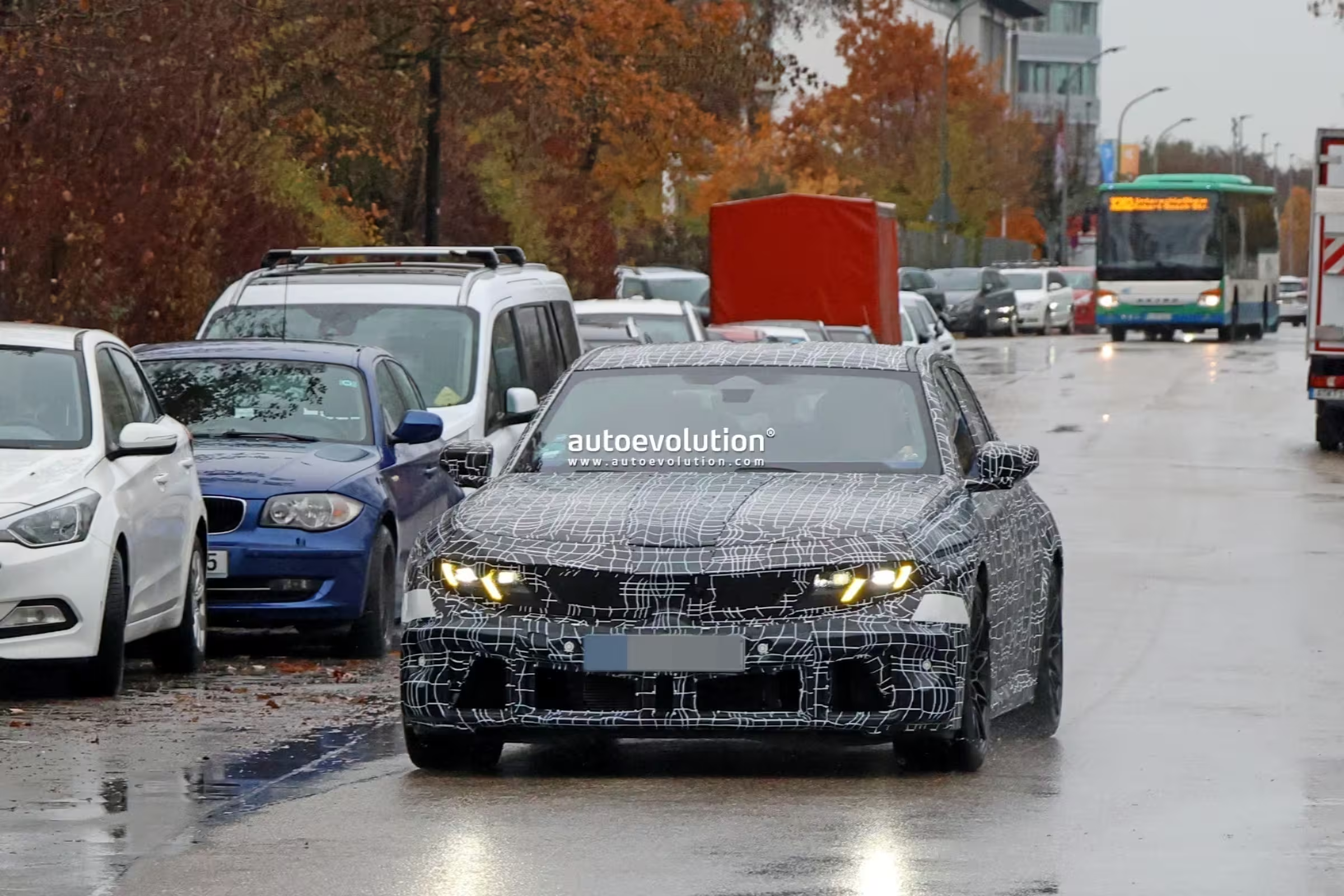
The new M3 shares the electric M3's diagonal yellow motifs to distinguish itself from lesser G50 3 Series variants; the exception within the range is the M350 xDrive, which BMW treats as part of the M Performance family.
Packaging, cooling and mechanical details
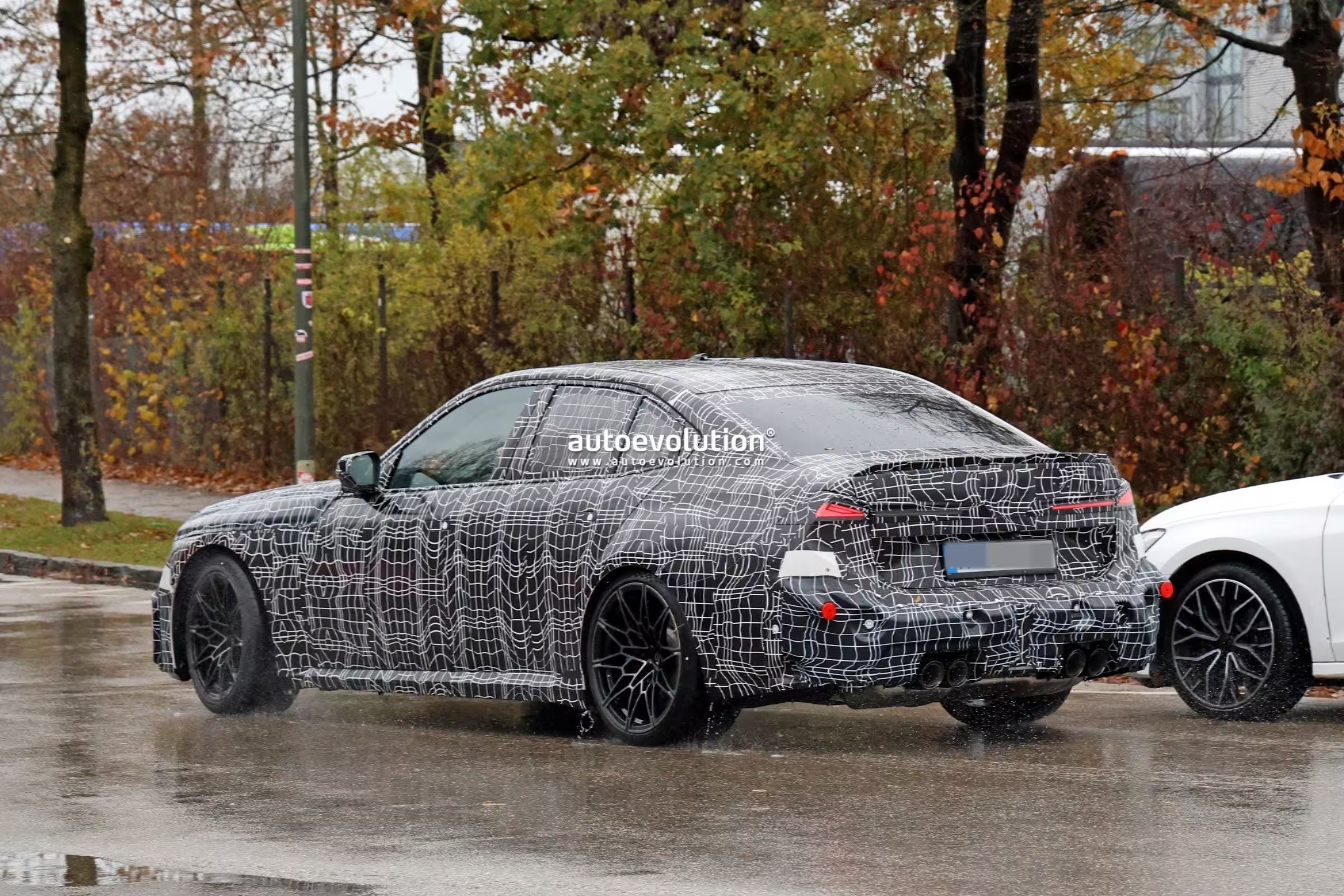
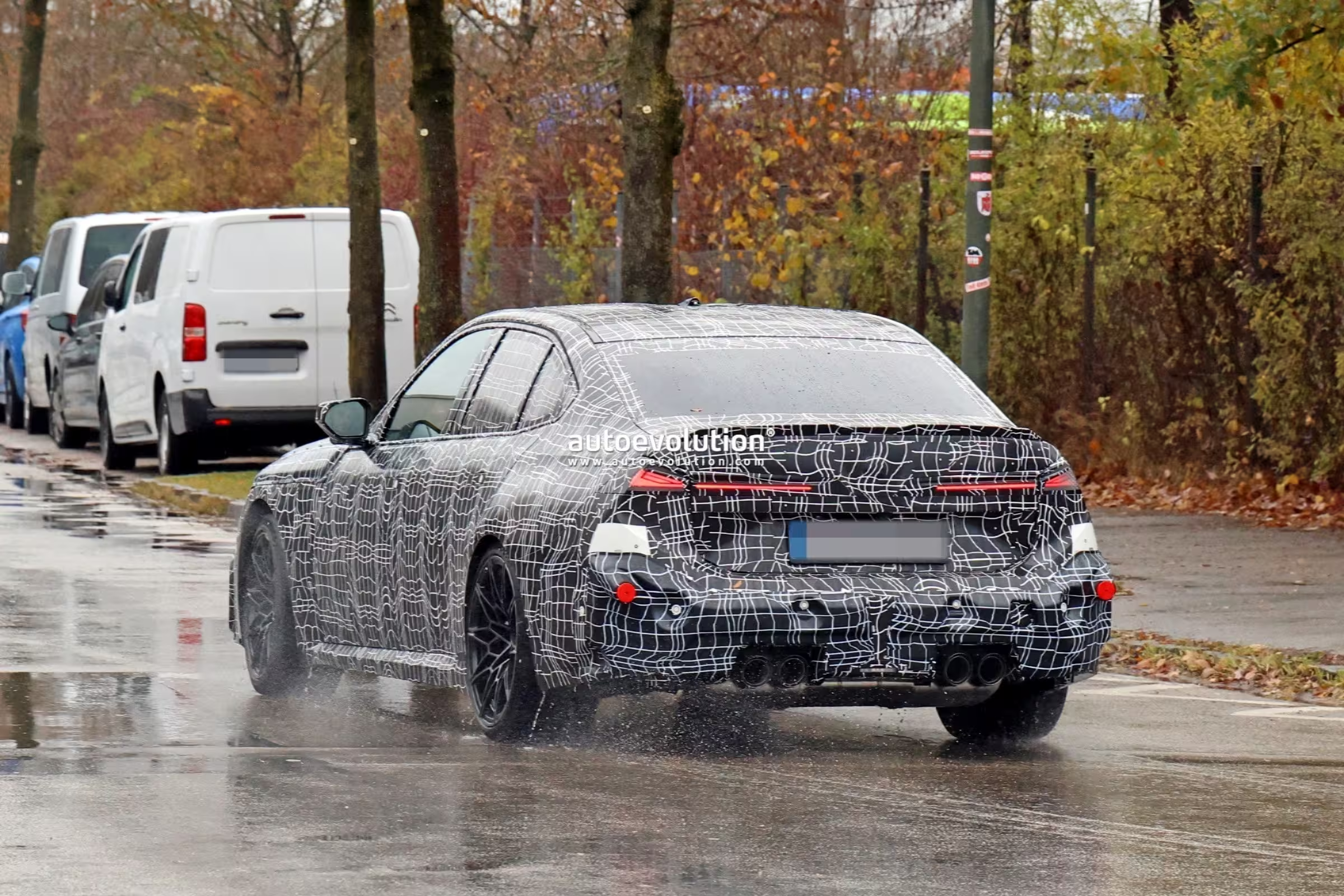
The prototype shows classical M proportions: a long hood, front wheels set well ahead of the cabin, swollen fenders and a broad rear track. The rear valance houses four exhaust finishers packed tightly together, and the front bumper features large openings that serve engine cooling and are likely ducted to the front brakes given the car's expected power and mass. A curious indentation appears in the hood of the photographed prototype.
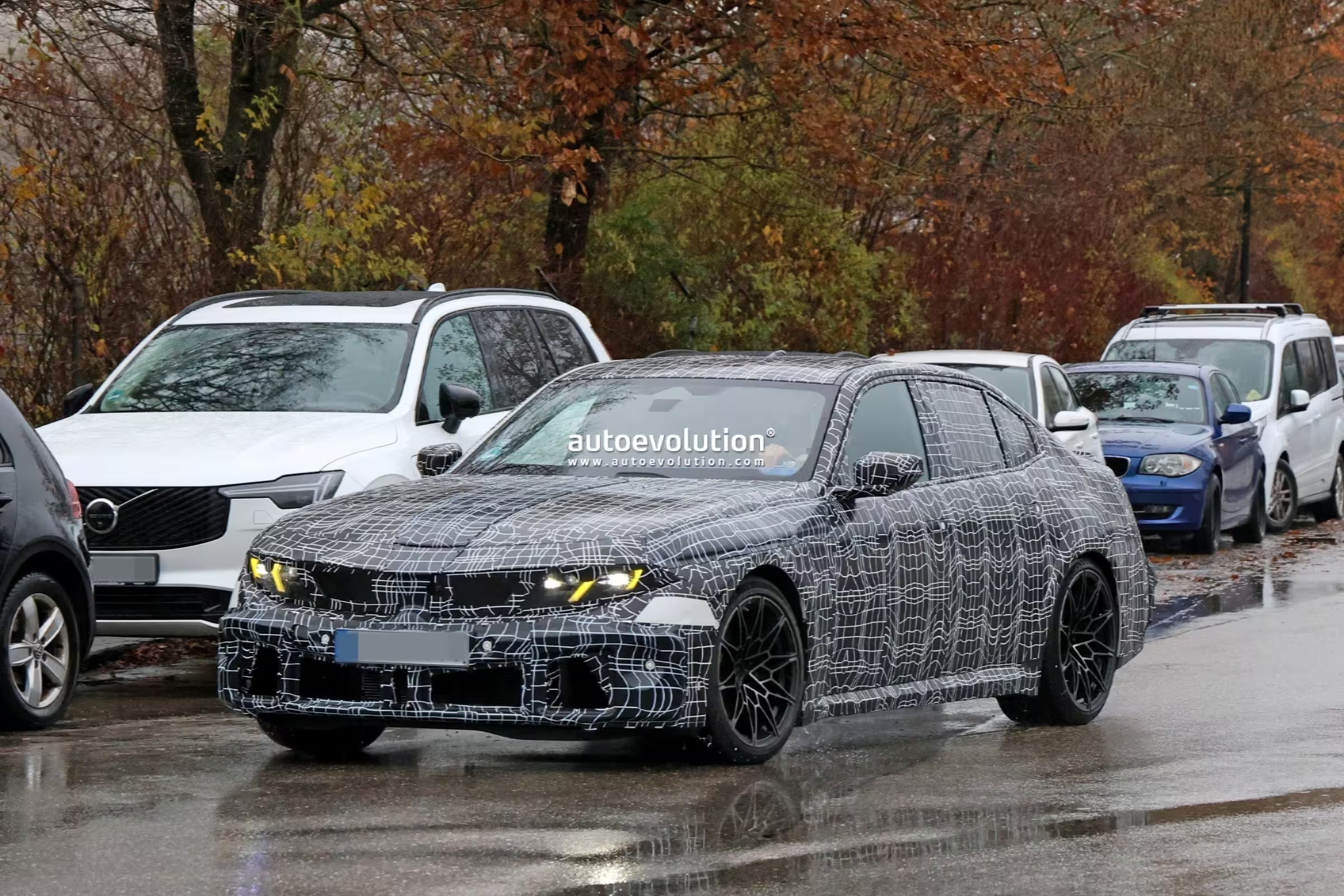
The interior is expected to be digital‑heavy, with the latest iDrive and Panoramic Vision displays. BMW and observers note the G84 could be the heaviest M3 yet because some form of electrification is planned. Mild hybrid assistance is the most likely route; it helps control weight while enhancing performance and is a practical measure for meeting Euro 7 emissions targets.
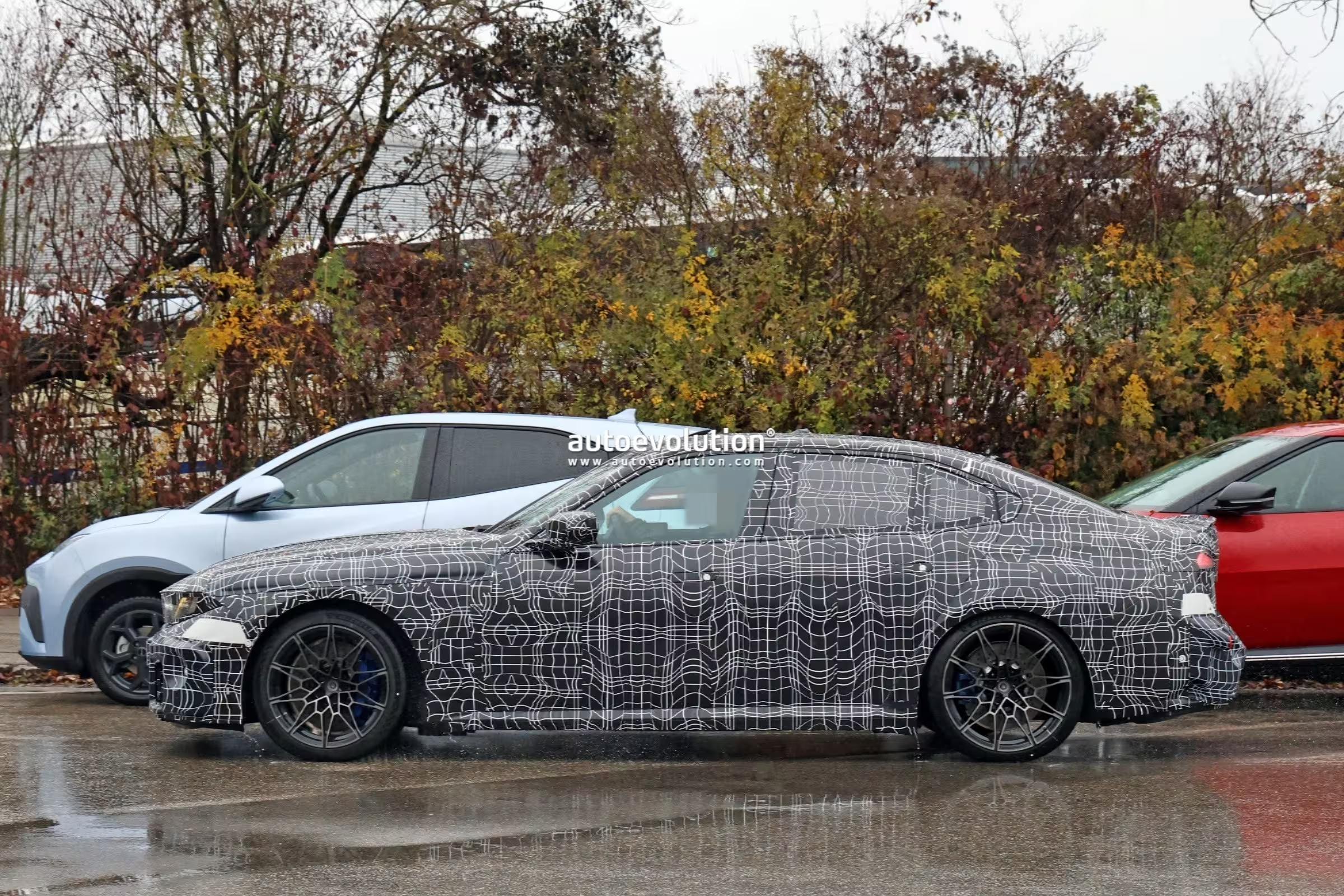
Electrification also brings tradeoffs: beyond the added mass of hybrid hardware, engineers expect the G84 will lose the manual transmission option because integrating the hybrid system requires synchronization and automatic engine disconnect features that are costly to implement. Few manufacturers have produced mild hybrids with manual gearboxes.
The manufacturer and industry sources have discussed alternative approaches such as twincharging, citing Volkswagen Group examples where an electrically driven supercharger provides immediate low‑end boost before an exhaust‑driven variable turbine geometry turbo takes over. Volkswagen has applied that concept in recent variants and plans a twincharged 2.0 TSI for the Golf R in 2027; BMW observers mention it as one of several technical paths to raise performance while addressing emissions.
Production is due to begin in July 2028 for a 2029 model, and this G84 could be the final internal combustion M3; BMW expects the car to retain an inline‑six with twin turbochargers and to deliver more than 543 ponies.

Leave a Comment
Comments
No comments yet. Be the first.