
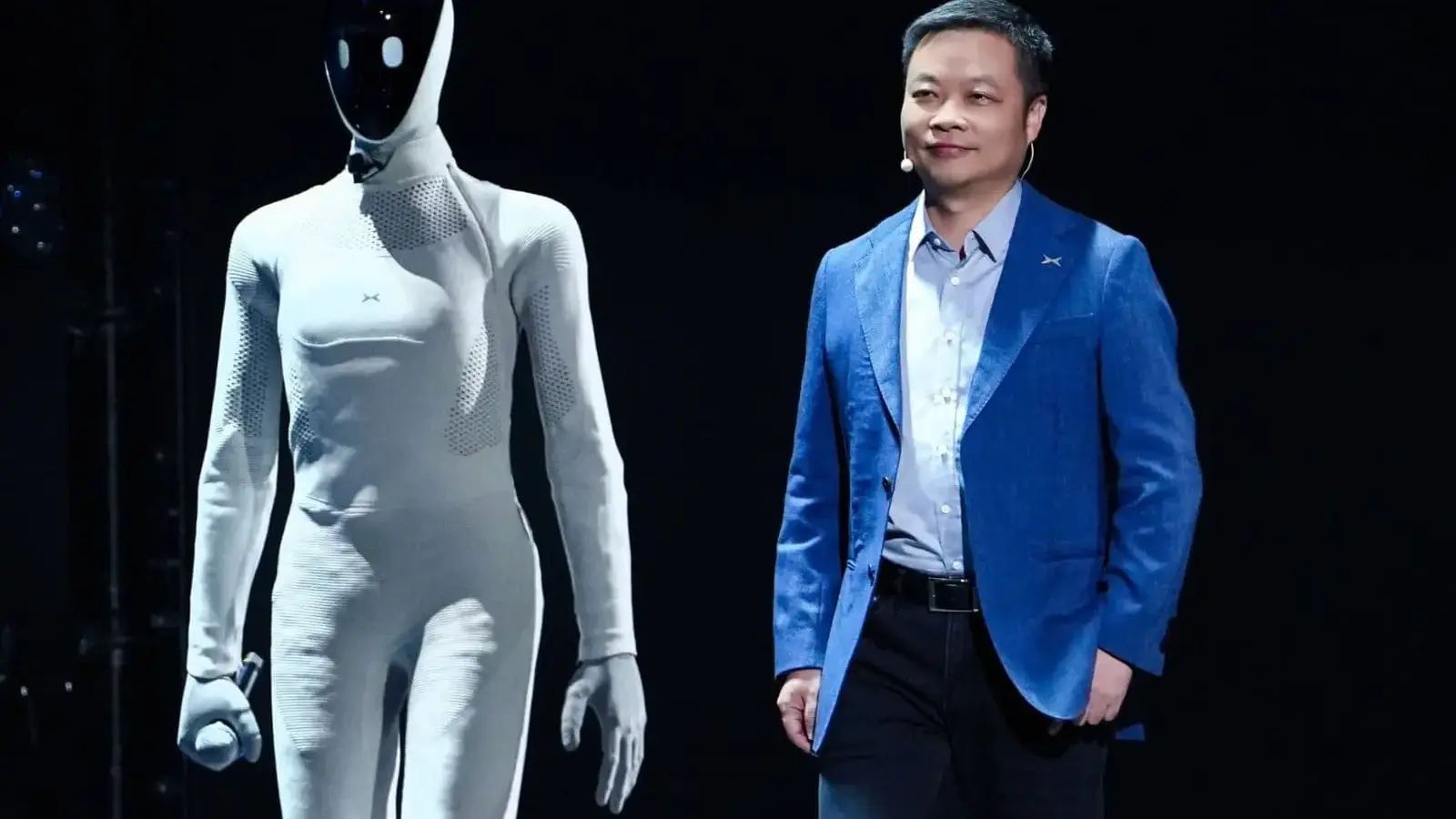
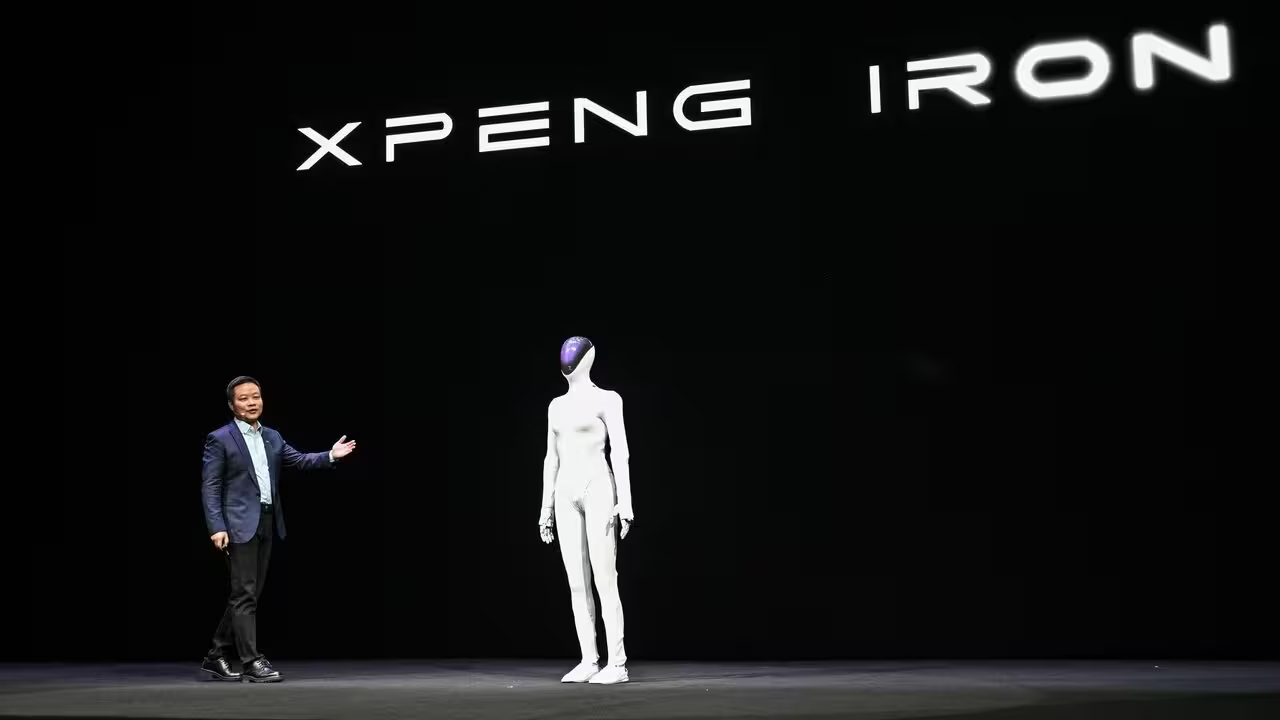
Chinese automaker XPeng used its eighth AI Day event to unveil a humanoid robot called Iron and a new cross‑platform architecture the company calls Turing Physical AI, or VLA 3.0. XPeng says it plans to begin training the humanoid for store‑assistant duties in the first quarter of 2027 and to offer the robot for public sale in the second quarter of 2027.
VLA 3.0 is described as a shared development platform that links AI models, processing systems, perception hardware and mechanical components so the same architecture can serve both smart vehicles and humanoid robots. XPeng says the earlier VLA 2.0 model, trained with a feedback‑based method, cut training time by about 10 to 12 times.
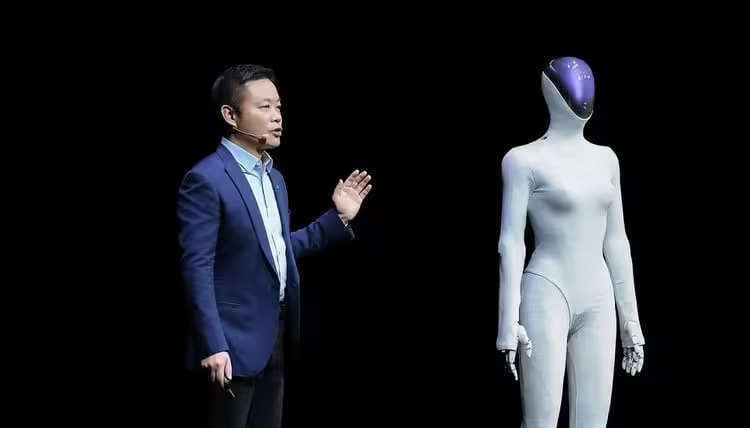
The Iron humanoid carries 76 degrees of freedom and more than 1,500 touch sensitive points, with tactile sensors covering over 80 percent of its key body areas. Three dedicated Turing AI chips run the models and coordinate the robot's motion. XPeng says Iron can navigate a space on its own, accept tasks by voice command or via an app, recharge itself and flag abnormal conditions.
The company plans a structured rollout. XPeng has built a training centre with more than 250 operational scenarios across 15 job categories to prepare the robots for real tasks. Its automated production line subjects Iron and its critical parts to over 1,000 tests before delivery, the company says.
From humanoid robots to driverless taxis
XPeng is applying the same physical AI approach to vehicles. A new motion control system integrates engine, brakes, steering and suspension into a single control framework. The automaker developed an intelligent deceleration and energy recovery function that, in XPeng's urban traffic tests, increased driving range by 12.4 percent compared with having energy recovery turned off when lifting off the throttle.
After eight months of testing, XPeng received permission to operate level 4 driverless taxi demonstration services in Guangzhou. The company's first dedicated driverless taxi, named YOYO-01, is scheduled for 2027. XPeng is also working on electric flying cars and says it intends to use a common AI infrastructure to control ground vehicles, humanoid robots and aerial vehicles.


Leave a Comment
Comments
No comments yet. Be the first.