
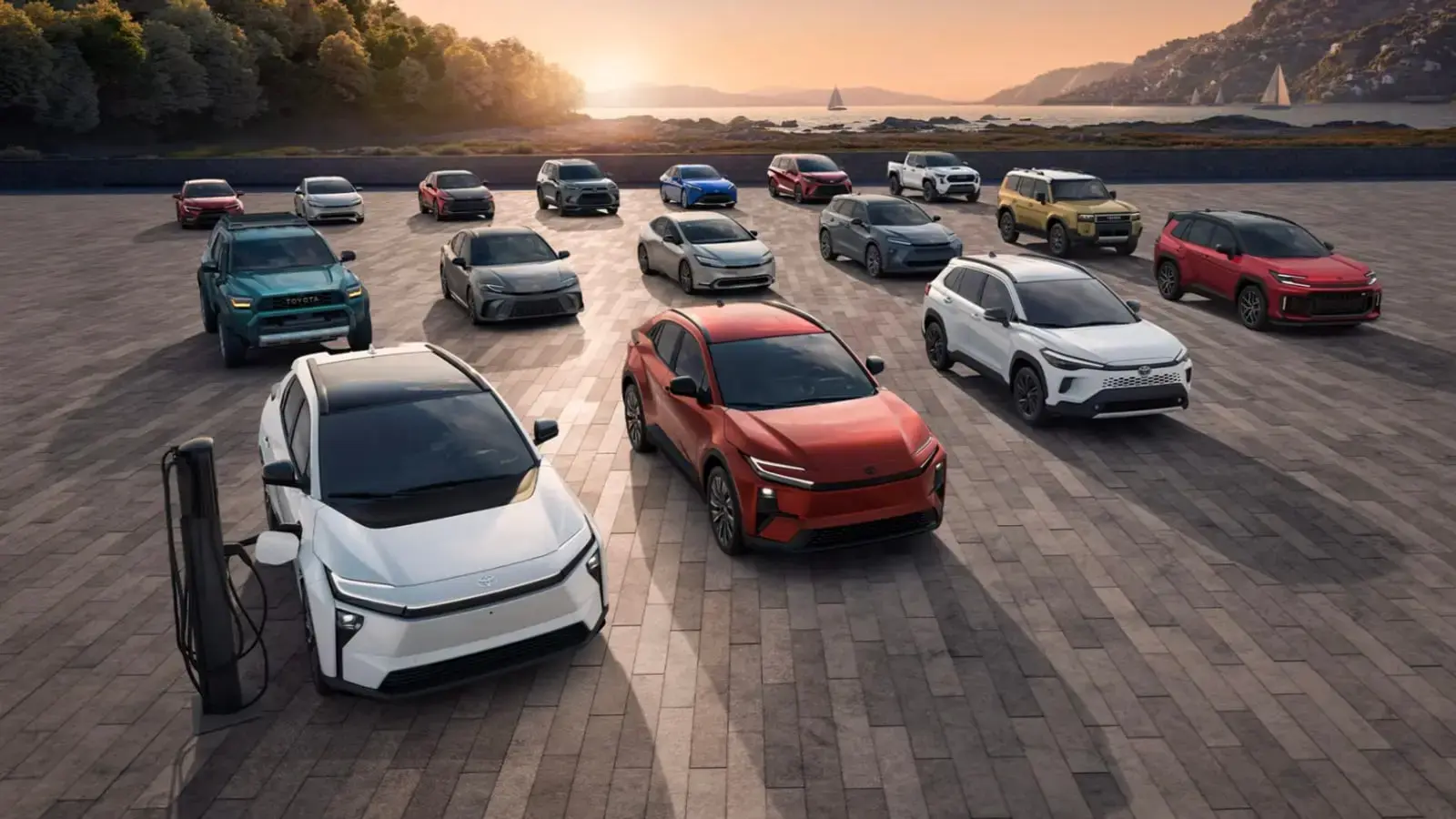
Toyota retained its position as the world's largest automaker by volume while its consolidated sales fell 2.1 percent in the first nine months of 2026, according to Focus2Move.
Global new car sales across the same period declined 3.2 percent to 62,743,875 units, per Focus2Move. That broader contraction has produced sharply divergent results among the 20 largest automotive groups: a handful recorded double-digit gains, several major incumbents posted sizable declines, and electric vehicle momentum is reshaping relative performance within the top ranks.
The ranking of the 20 largest groups by sales volume through September 2026 is as follows, with year-on-year percent change in parentheses.
1 Toyota (-2.1%), 2 Volkswagen (-10.8%), 3 Hyundai-Kia (-0.4%), 4 Stellantis (+7.1%), 5 Renault-Nissan Alliance (-5.4%), 6 General Motors (-9.3%), 7 Geely (-3.1%), 8 Ford (-8.4%), 9 Suzuki (+13.6%), 10 Honda (-4.0%).
11 BYD (-15.2%), 12 BMW (-3.0%), 13 Chery (-1.0%), 14 Mercedes-Benz (-15.5%), 15 Tesla (+2.1%), 16 Changan (-13.8%), 17 Mazda (+1.8%), 18 Great Wall Motor (-12.0%), 19 SAIC Motor (+12.3%), 20 Tata Motors (+23.3%).
Tata Motors posted the largest percentage increase among the top 20, rising 23.3 percent, though it remains the 20th-largest group by volume. Suzuki, SAIC Motor and Stellantis also recorded notable gains, while Mercedes-Benz and BYD suffered the steepest declines at 15.5 percent and 15.2 percent respectively. Volkswagen, General Motors and Ford each saw double-digit or near double-digit declines in the period.
EV and PHEV performance
The electric vehicle and plug-in hybrid segment diverged from the overall market trend, expanding 3.5 percent even as total vehicle sales fell. However, leaders in EV volume did not uniformly post growth in this segment.
Top 10 groups in EV/PHEV sales and year-on-year change: 1 BYD (-14.8%), 2 Geely (-2.1%), 3 Tesla (+2.1%), 4 Stellantis (+41.2%), 5 Volkswagen (+2.1%), 6 General Motors (-14.8%), 7 Changan (-26.3%), 8 Hyundai-Kia (+35.5%), 9 Toyota (+45.2%), 10 Chery (+54.9%).
Chery recorded the fastest increase in EV/PHEV sales at 54.9 percent, while Toyota and Stellantis also posted strong gains in electrified volume. By contrast, Changan and BYD experienced significant declines in their EV/PHEV deliveries during the same interval. The contrast between overall sales trends and electrified vehicle performance highlights a shift in demand that is not uniform across brands or markets.
Chinese manufacturers displayed mixed outcomes: BYD, Changan and Great Wall posted double-digit falls, while SAIC Motor and some others achieved robust growth. Japanese and Korean groups showed relative resilience in overall volumes, with Toyota and Hyundai-Kia posting modest declines but substantial increases in EV and PHEV sales.
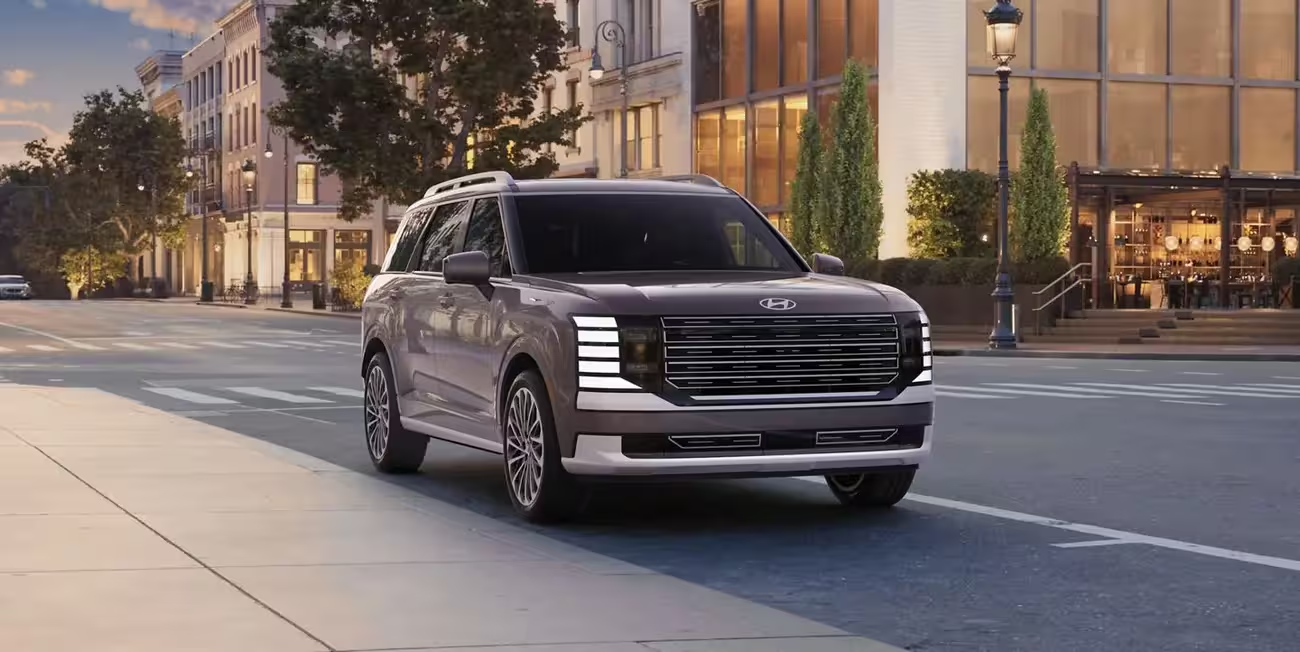
The Focus2Move data for the first nine months of 2026 underscores a market in transition, where overall volume has slipped but electrified vehicle demand is creating new opportunities for manufacturers that can scale those offerings quickly.
.avif "Toyota Highlander Goes All-Electric as Toyota Accelerates EV Transformation by 2028")

Leave a Comment
Comments
No comments yet. Be the first.