
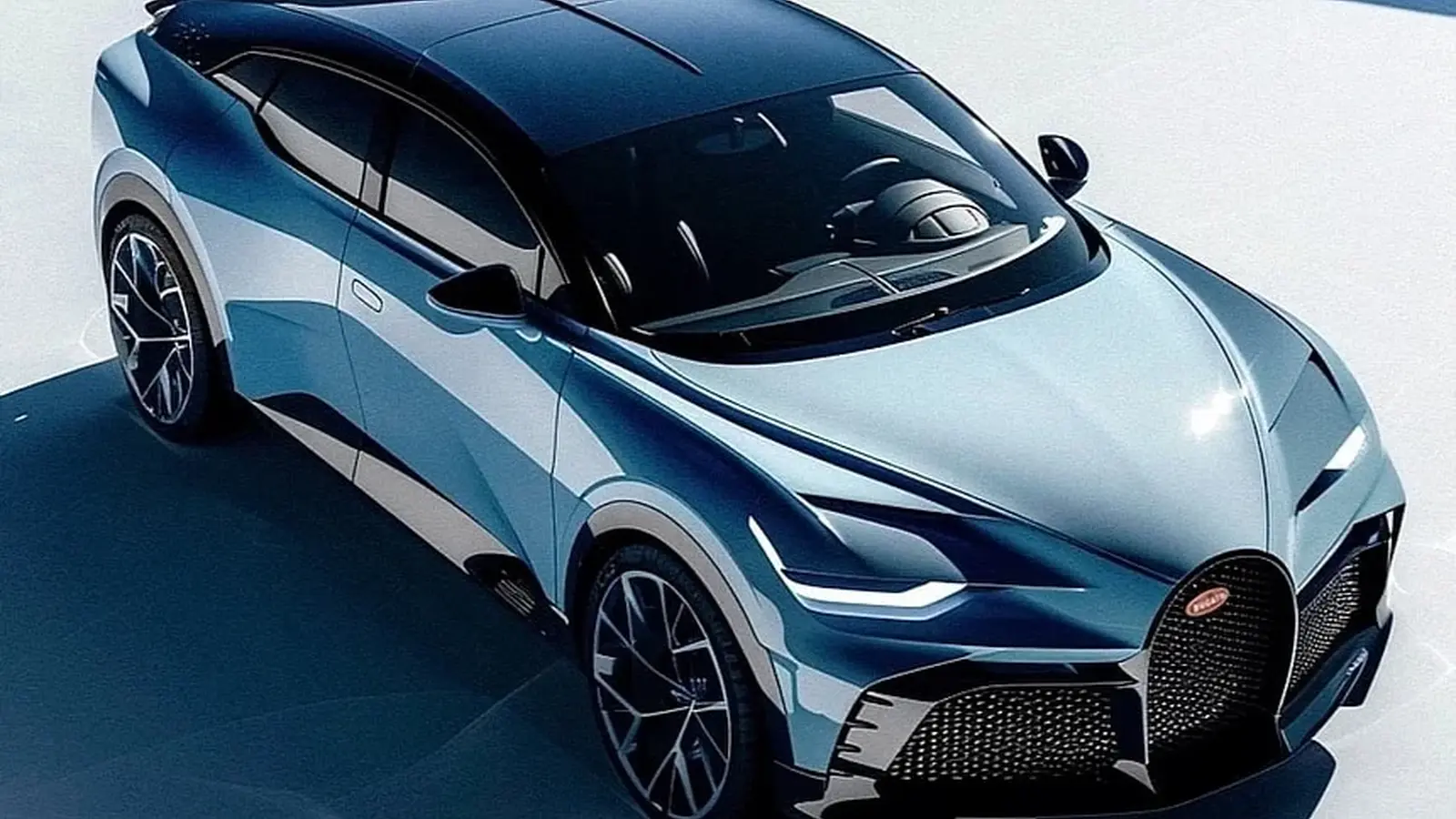
Mate Rimac resisted Volkswagen Group’s proposal to replace the Chiron with a four-seat electric SUV and instead led development of the V16-powered Bugatti Tourbillon. The decision reshaped Bugatti’s next chapter: a rejected EV-SUV concept from 2020 gave way to a limited-production hypercar built around a new naturally aspirated V16 plus hybrid assistance.
The electric SUV idea surfaced in 2020, when the Volkswagen Group was accelerating toward an all-electric future and suggested using Rimac Automobili’s Nevera architecture as the basis for a high-riding, four-seat Bugatti. Executives asked Rimac for help; Rimac’s team determined the Nevera would need major rework to fit the requested vehicle layout, and creating a bespoke platform would have cost billions. Group platforms in use at the time could not accommodate the size, weight and extreme power targets a Bugatti would demand, so the proposal was never approved and no engineering work progressed beyond initial discussions.
Stephan Winkelmann, then president of Bugatti Automobiles and later briefly also Lamborghini CEO, was among the executives who pushed toward an all-electric direction for the brand. Rimac says he proposed instead that his team develop a successor for the outgoing Chiron that Bugatti would market. During those talks the head of strategy at Volkswagen reportedly asked him, "Why don't you take over the company?" Rimac initially laughed it off, but months later he accepted the offer and became CEO of Bugatti.
Rimac recalls that, at a later strategy call attended by about 90 people—85 from Volkswagen and five from Rimac—Volkswagen representatives continued to favor an electric SUV. Rimac told Classic Driver he fought that idea with everything he had, even though he was then more experienced with electric hypercars than with multi-cylinder internal combustion engineering.
From Nevera’s electric performance to Bugatti’s V16 hybrid
The Rimac Nevera under consideration was a quad-motor, all-electric hypercar with four independent liquid-cooled permanent-magnet motors, one per wheel. Rimac rated the Nevera at 1,888 horsepower (1,914 metric horsepower) and 1,726 pound-feet (2,340 Newton meters) of torque, with a 0 to 60 mph time of 1.74 seconds and a top speed of 258 mph (412 kph). The track-focused Nevera R was factory-rated at 2,078 horsepower (2,107 metric horsepower) with the same torque figure, a 0 to 60 mph time of 1.66 seconds and a top speed of 268 mph (431 kph).
Volkswagen executives understood those figures could not simply be transplanted into an SUV package, and Rimac declined to adapt the Nevera into an SUV. That refusal cleared the way for a different technical route under Rimac’s leadership at Bugatti.
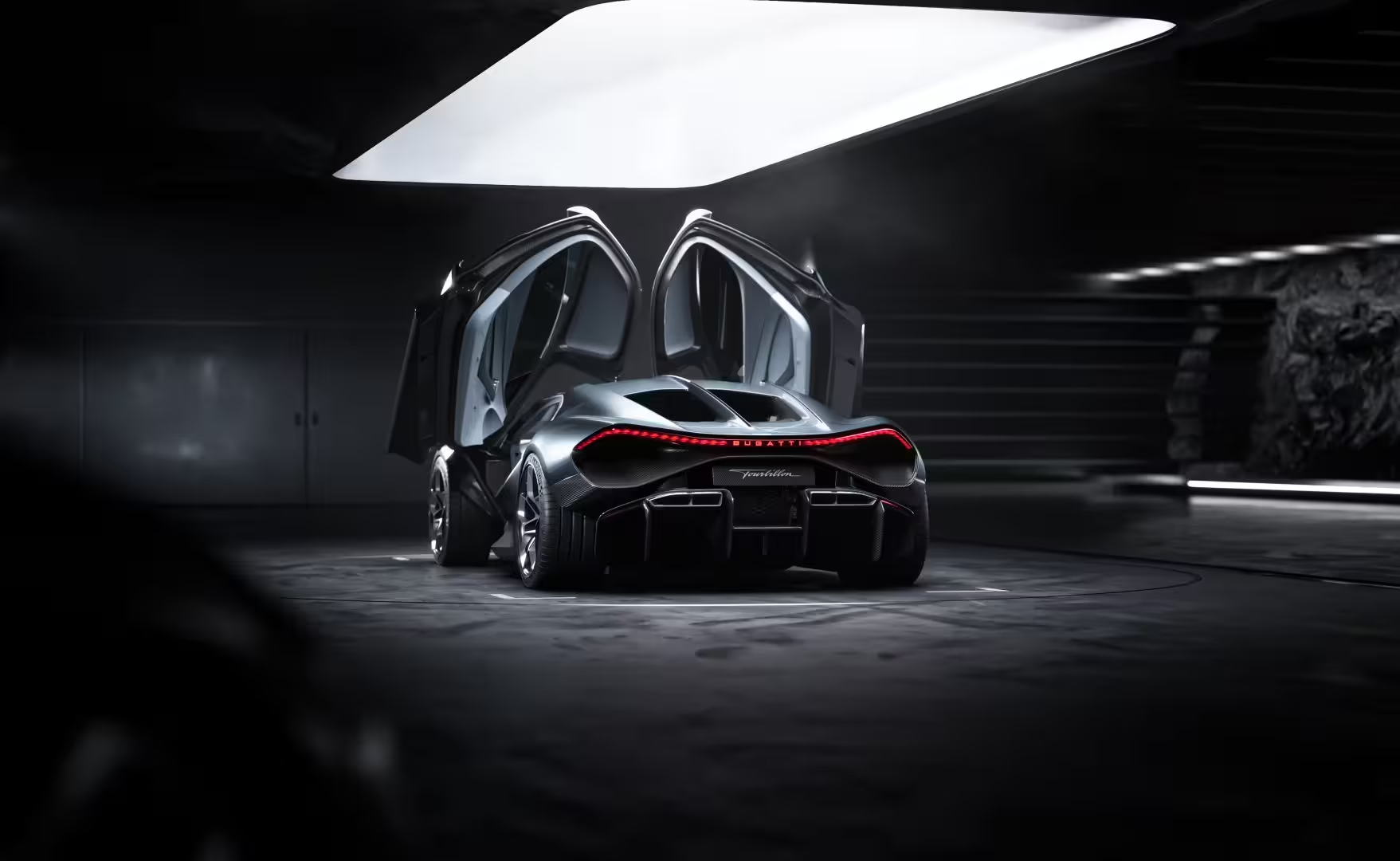
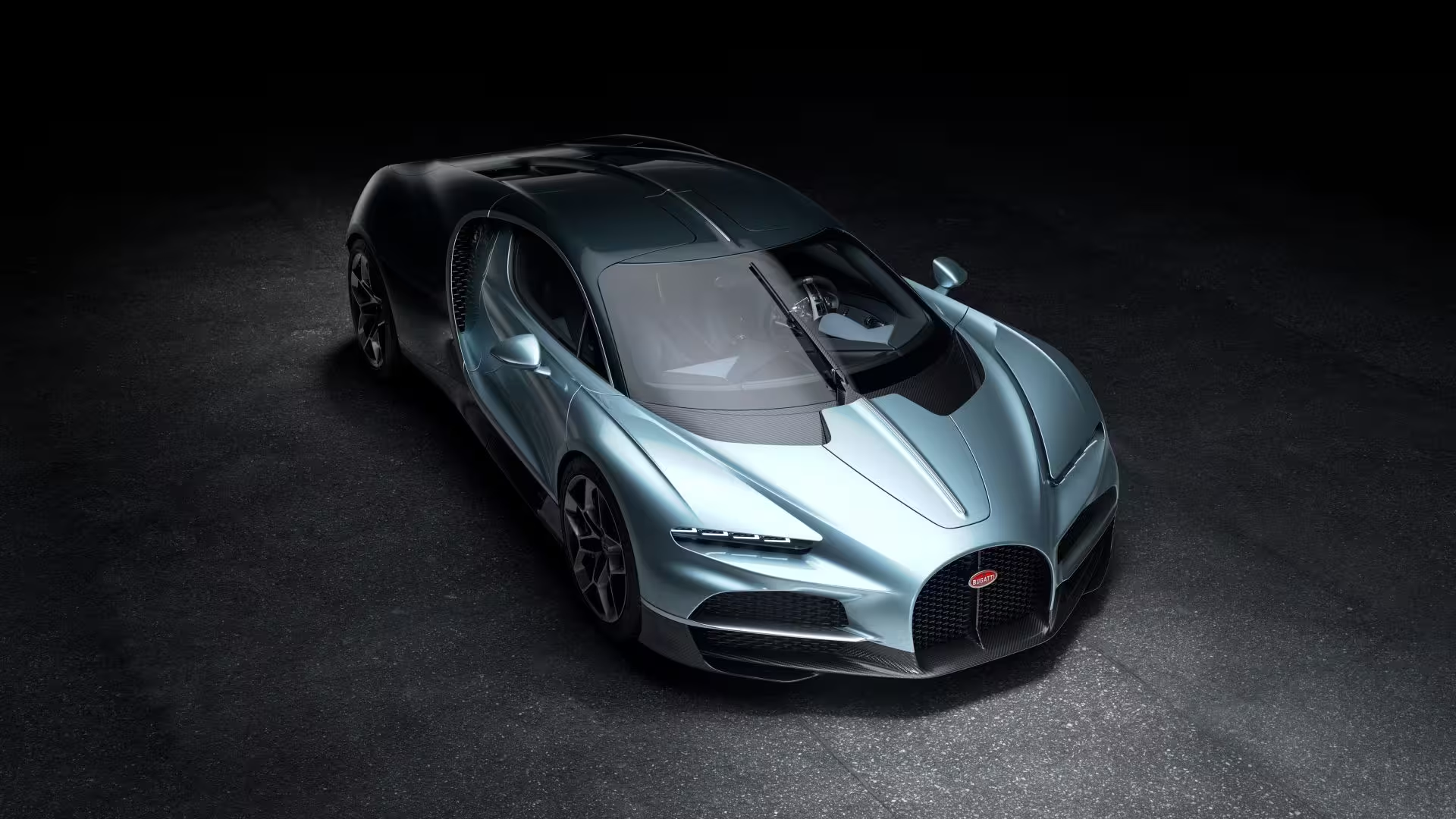
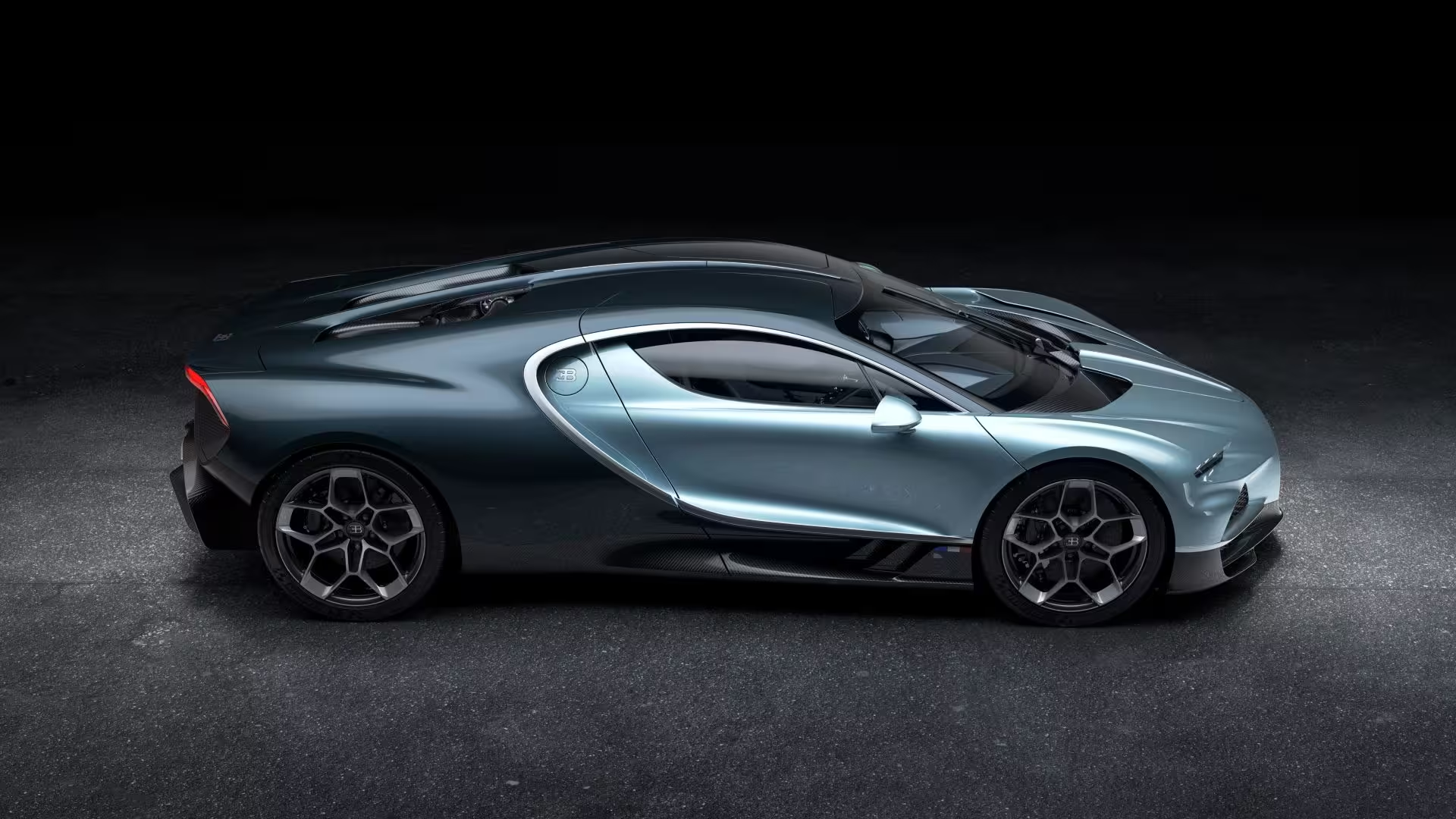
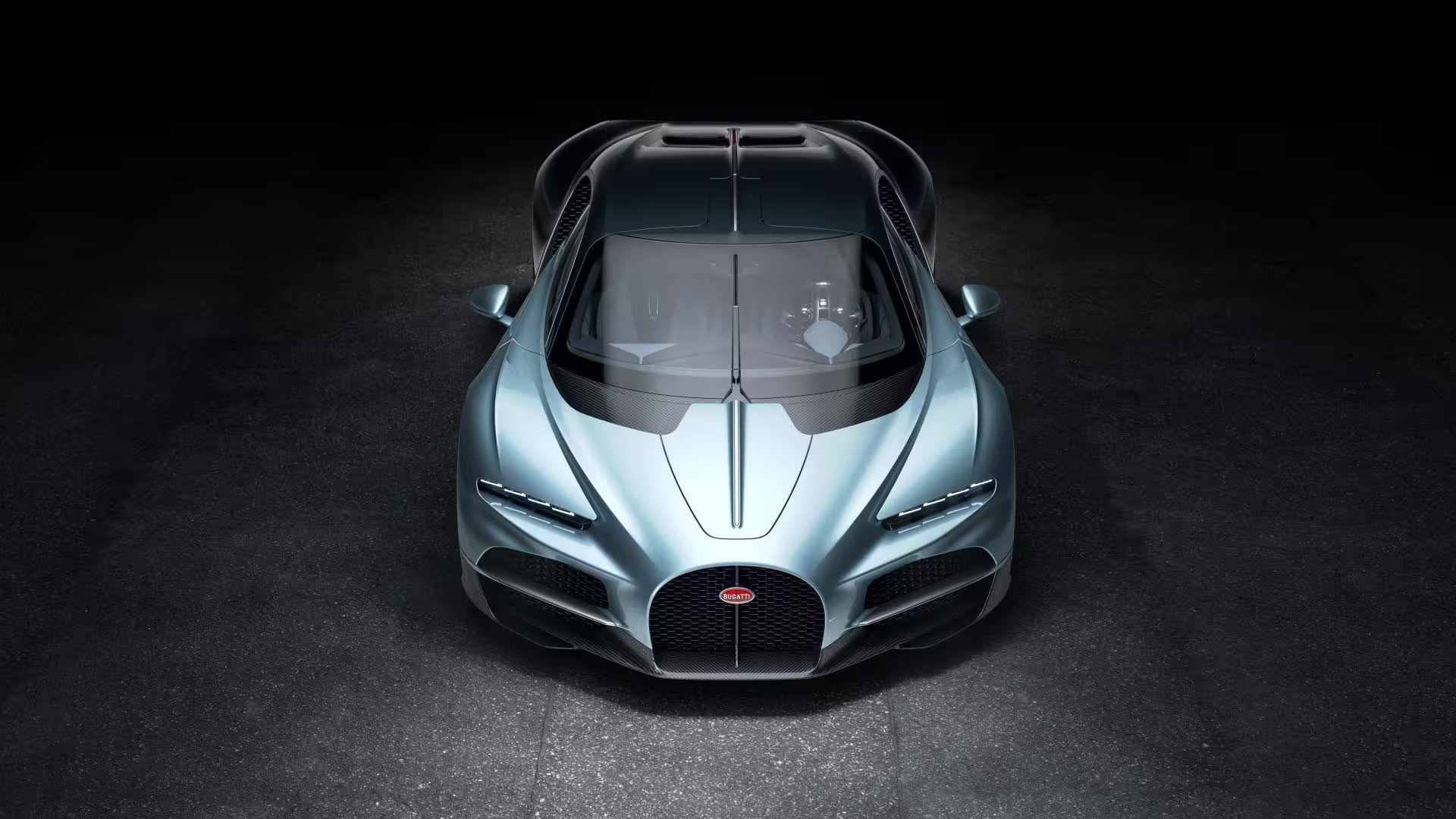
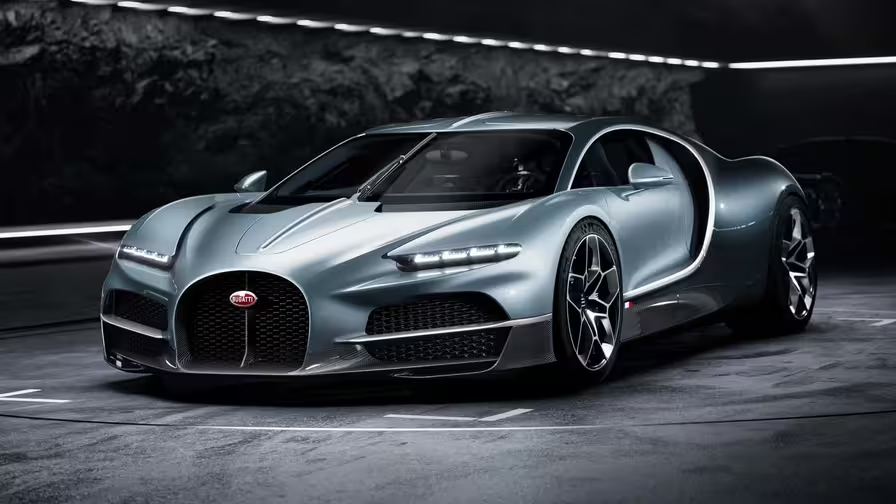
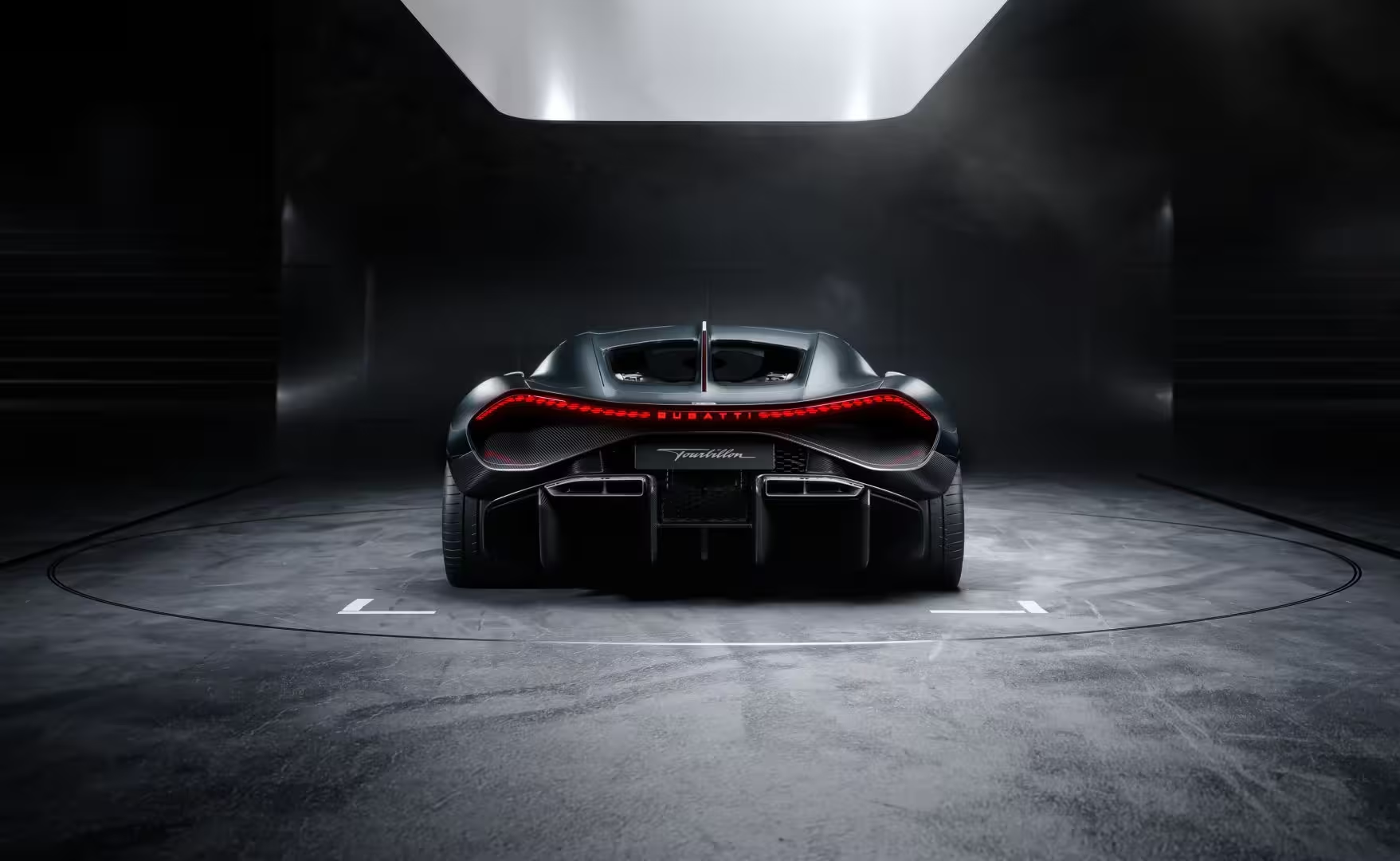
Rather than an all-electric SUV, Rimac directed development of the Bugatti Tourbillon featuring a Cosworth-developed 8.3-liter naturally aspirated V16 intended to succeed the 8.0-liter W16 used in the Veyron and Chiron. The V16 works alongside a hybrid arrangement of three electric motors—two at the front axle and one driving the rear wheels—producing a combined 1,775 horsepower (1,800 metric horsepower) and 1,696 pound-feet (2,300 Newton meters) of torque. Bugatti rates the Tourbillon at 0 to 60 mph in 1.9 seconds and a top speed of 276 mph (445 kph) with the Speed Key engaged.
Both the Nevera and the Tourbillon use an 800-volt electrical architecture, a technical choice that supports higher charging power and lower current for a given performance level. The Nevera is built around Rimac’s carbon-fiber monocoque, while the Tourbillon was given a clean-sheet Bugatti T800 carbon monocoque—a single-piece structural shell that forms the car’s primary load-bearing structure.
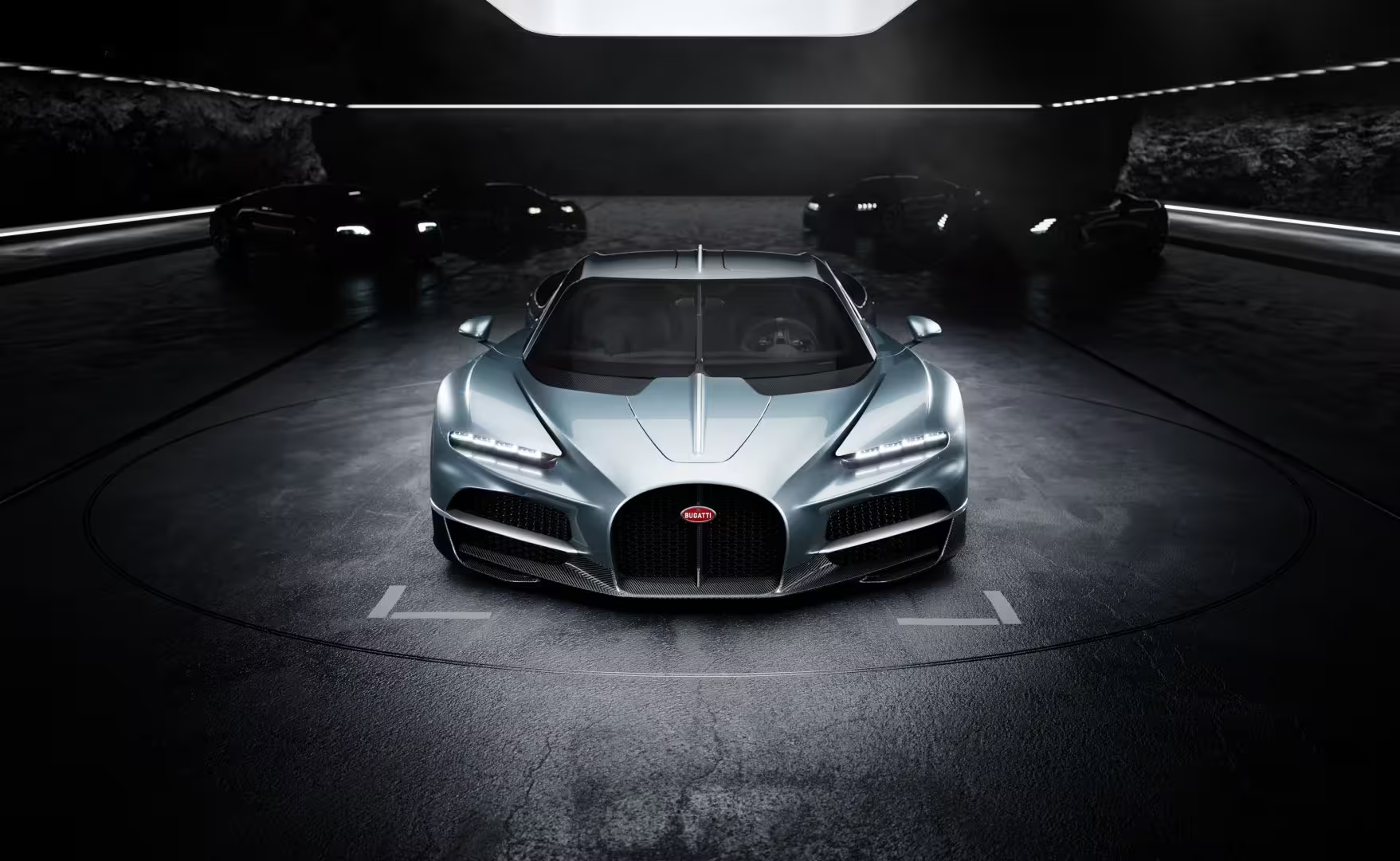
The Tourbillon was officially unveiled on June 20, 2024. Bugatti confirmed a production run of 250 units, each starting at 3.8 million euros; the company reported that all 250 cars had been spoken for before the public unveiling.
As of 2026 there is still no electric Bugatti on the market or in active development, a situation the company attributes in part to its clientele’s attachment to multi-cylinder combustion engines and the character they provide. The Volkswagen Group has also watched peer examples closely: the group observed the market response to Ferrari’s Purosangue and the 2026 reactions to Ferrari’s first electric model, the Luce, as part of its own planning and risk assessment.


Leave a Comment
Comments (2)
Interesting pivot, but can a naturally aspirated V16 + hybrid really pass regs and emissions? feels glorious, yet impractical. If thats real, bravo for daring.
Wow didnt expect Rimac to fight that hard for a V16! Love the guts, but 3.8M and no EV? kinda risky, curious how buyers feel…