
Overview
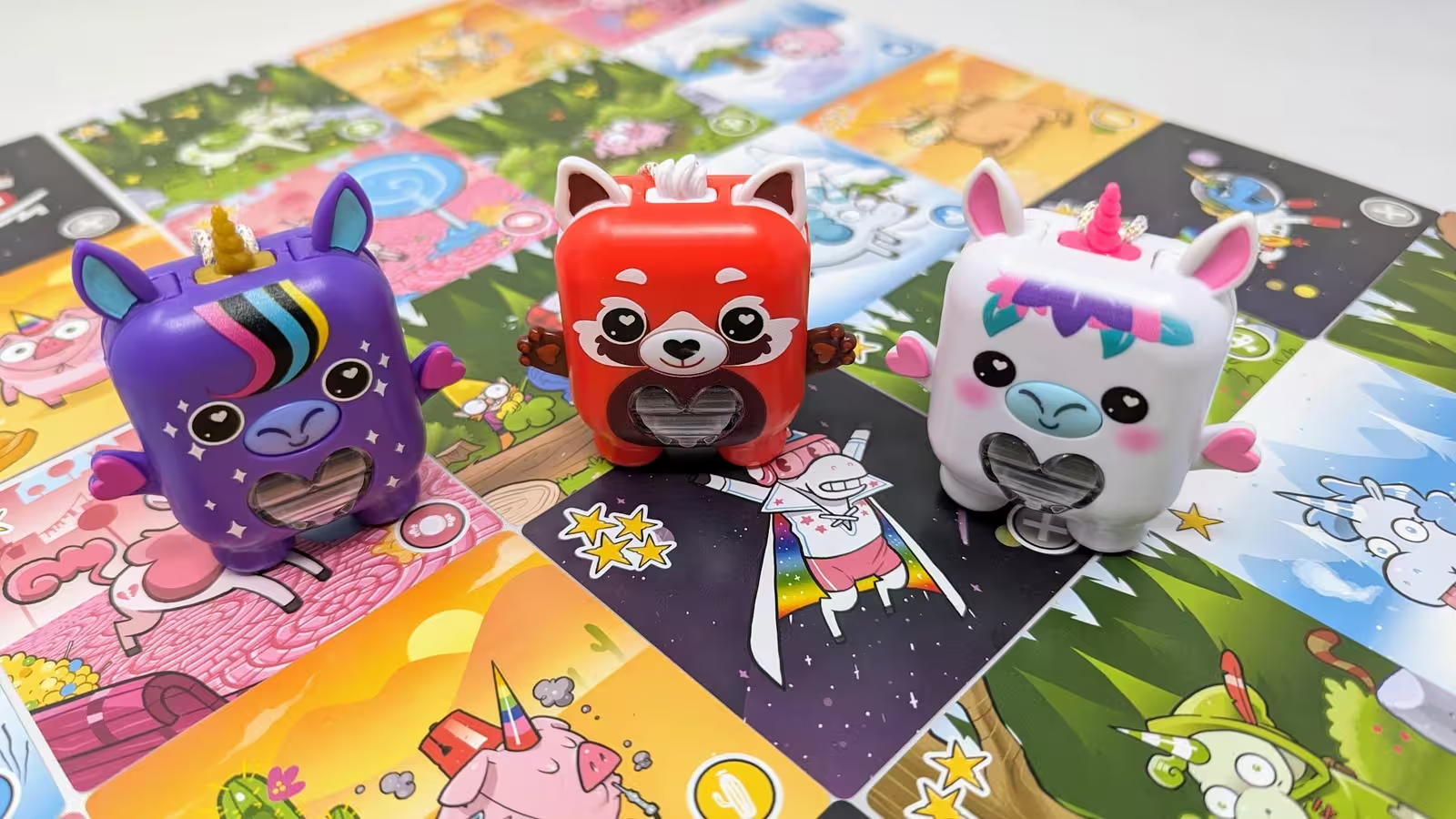
Hasbro’s Nano-Mals bring a new twist to the century-old virtual pet idea by combining collectible digital companions with tactile fidget mechanics. Priced at around $20 and available in eight initial models, these pocket-sized toys remove the traditional screen and replace it with direct physical interaction and a simple light-based status indicator. For tech enthusiasts and parents seeking screen-free play, Nano-Mals are positioned at the intersection of digital toy design, haptic feedback, and low-cost connectivity-aware play.
Hasbro's Nano-Mals fidget toys Hands-on photos of Hasbro's Nano-Mals fidget toys
Product features
Design and aesthetic
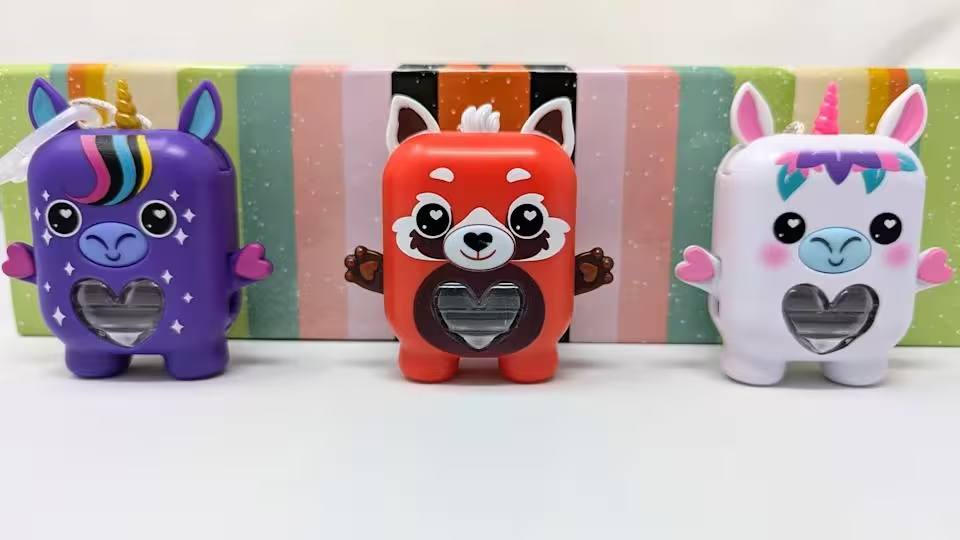
The Nano-Mals lineup includes whimsical characters — two cows, two cats, a red panda, a narwhal and a pair of unicorns — all designed to be instantly appealing and collectible. Rather than relying on an LCD, each toy uses a multi-color, three-tiered heart on the front as its sole display. The heart changes color and fills in segments to communicate three core needs: hunger, affection and play. This minimalist UI emphasizes touch and motion over visual menus.
Interaction model and controls
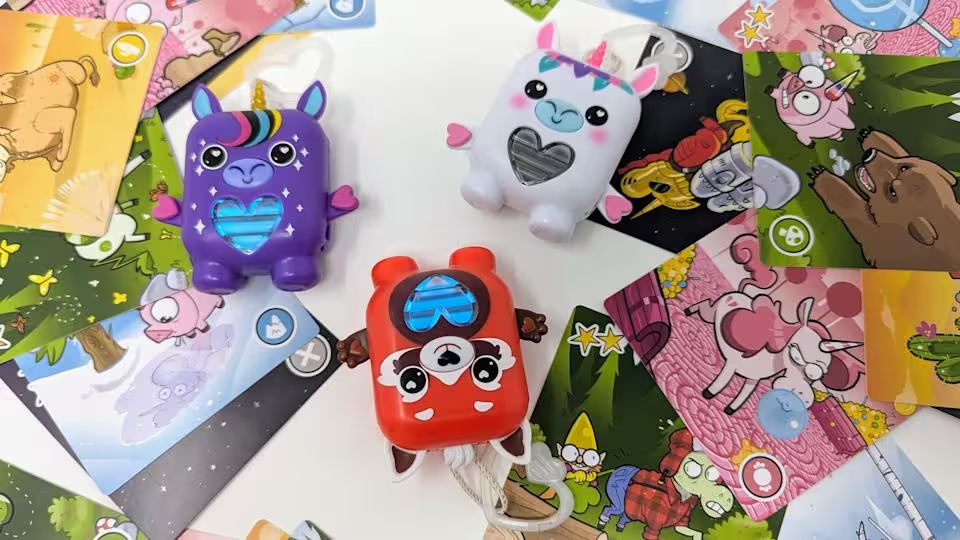
Where classic virtual pets ask you to navigate menus and press buttons, Nano-Mals encourage direct manipulation. You pet the toy by pressing its ear, flip its arms to trigger a dance action, and push its nose to feed it. The more you perform those gestures, the more the heart’s individual colors fill, eventually producing a rainbow effect across the chest. An integrated accelerometer also detects movement, so spinning or rotating the toy while you fidget counts as play.
Haptics and ergonomics
These devices are engineered with tactile satisfaction in mind: the arm-flips and squeezable ears deliver a reassuring mechanical click or squish that reinforces repeated interaction. The nose button is shallower and less satisfying, which can make feeding the pet the least enjoyable task; this is one area where firmware or hardware tweaks could improve future revisions.
Comparisons: Nano-Mals vs. classic virtual pets and modern alternatives
Nanomals follow the same core loop as a Tamagotchi — feed, play, groom — but swap screen-based feedback for physical actions and LED cues. Compared to contemporary digital toys that add Bluetooth or downloadable content, Nano-Mals intentionally strip back connectivity and graphical complexity in favor of tactile play and portability. They occupy a niche between purely mechanical fidget toys and feature-rich smart toys with companion apps.
Advantages
- Screen-free engagement: Appeals to parents and educators who prefer low-screen, high-touch play experiences.
- One-handed operation: The entire interface is reachable without looking, making it ideal as a discreet fidget device.
- Collectibility and low price: At a modest price point, buying multiple characters is feasible, which enables social interactions between units.
- Durable, protective accessories: Each Nano-Mal ships with an outfit that doubles as a protective case, improving longevity and encouraging customization.
Limitations and usability notes
A few practical issues surfaced in hands-on testing. The top-mounted clip is fixed and non-removable, which can interfere with spinning or certain grips. The power-off function silences the device but is not absolute: pressing buttons while the unit appears off still elicits muted reactions, raising the risk of accidental triggers when clipped to a backpack or garment. Although you can mute sounds by holding the nose for several seconds, that mute only works when the Nano-Mal is fully powered on and resets after power-cycling — a usability caveat for classroom or quiet-environment use.
Use cases
- Children: A friendly, tangible toy that reinforces responsibility without screens. Great for travel, quiet play, or as an introductory digital pet.
- Adults and professionals: A discreet fidget that helps reduce phone use during short pauses, meetings (where allowed), or commutes.
- Collectors and hobbyists: Multiple units interact with each other, lighting up and exchanging chirps, which adds a layer of emergent play and social interaction.
Market relevance and trends
Nano-Mals tap into several current trends in consumer technology and toys: a move toward screen-free smart devices, increased interest in tactile haptics and fidget tools, and low-cost collectible electronics. They are relevant to product designers exploring minimalist UX, to educators advocating reduced screen time, and to toy companies evaluating how to blend digital behavior with physical interaction. While many modern toys are adding Bluetooth and apps, Hasbro’s approach demonstrates that pared-down interaction models can still feel modern when combined with satisfying mechanical design and simple LED feedback.
Final verdict
As a first-generation product, Nano-Mals are a strong, well-targeted experiment in combining virtual pet mechanics with fidget-centric design. They’re cute, satisfyingly tactile for most interactions, and accessible to a wide audience. Small hardware choices — the shallow nose button, the fixed clip and the incomplete power-off behavior — keep them from being perfect. Still, their low price, screen-free UX, and collectibility make them an attractive option for families and anyone looking for a modern take on handheld digital pets.
Availability

Hasbro’s Nano-Mals are available now at major retailers, including Walmart and Amazon, and are priced to encourage collecting multiple characters.

Leave a Comment
Comments
No comments yet. Be the first.