
3 Minutes
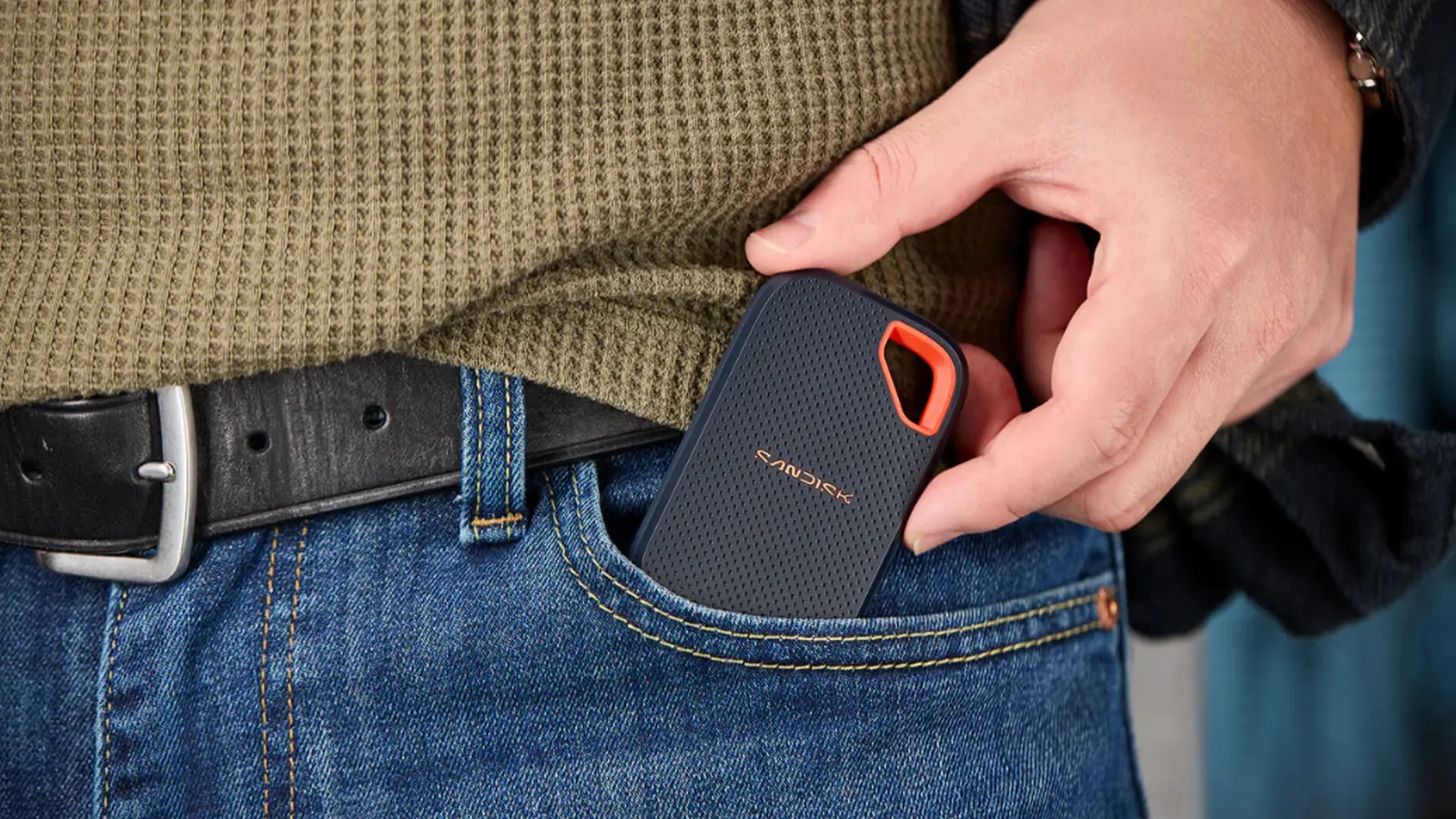
Not every pocket drive is built to outrun a deadline, but SanDisk's latest trio feels like it was designed with overtime in mind. Aimed at everyone from weekend photographers to studio editors wrestling with AI-generated assets, the new SanDisk Portable, SanDisk Extreme Portable, and SanDisk Extreme PRO Portable SSDs push capacity and speed into more serious territory.
The headline grabber is the Extreme PRO. It promises peak sequential reads up to 4,000MB/s — real-world muscle for workflows that demand instant access. SanDisk says you can move ten minutes of 12K footage in under a minute. That kind of throughput targets pro photographers, filmmakers and designers who need to edit directly from external storage without bottlenecks. The Extreme PRO will ship in 2TB, 4TB and 8TB configurations later this year, offering a blend of speed and high capacity that few pocket drives manage.
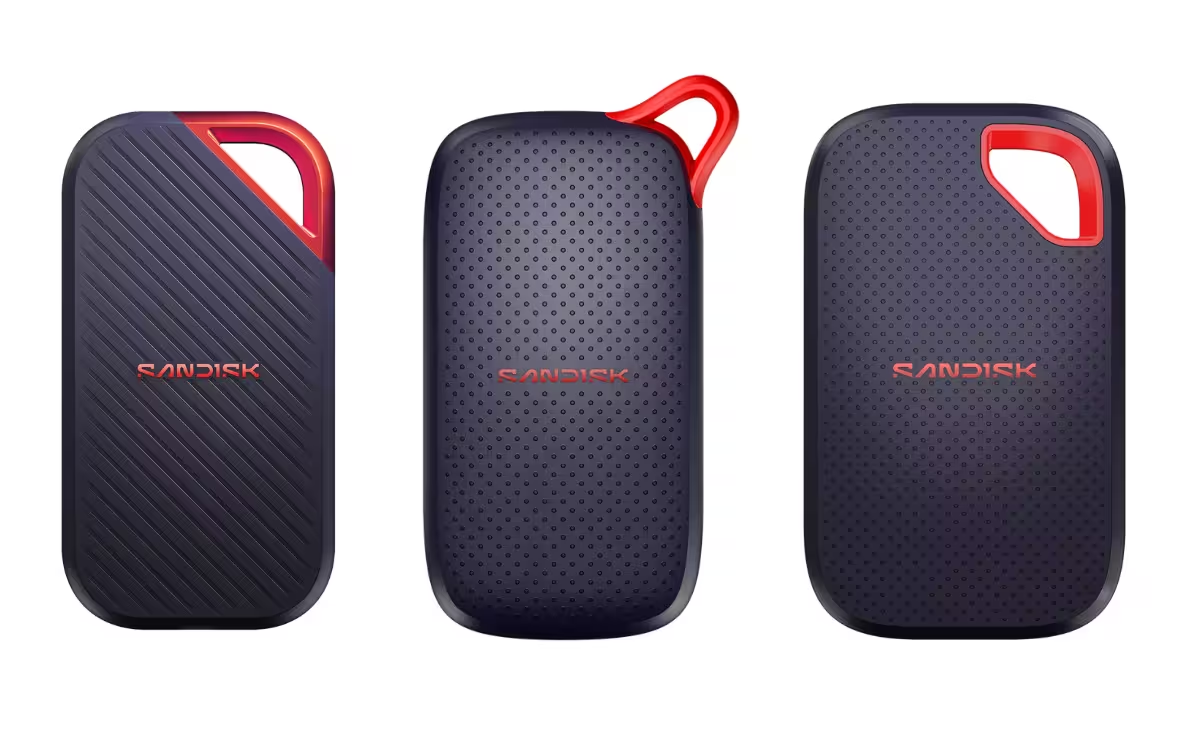
One step down, the Extreme Portable balances speed with everyday creative needs. With up to 2,000MB/s read speeds, it promises to shift large photo libraries and video files fast — SanDisk claims it can transfer roughly 1,000 high-res images in under a minute. It's available now in 1TB, 2TB and 4TB sizes, with a 500GB option slated for the second half of 2026.
The entry-level SanDisk Portable targets students, office users and anyone archiving family photos. It tops out at about 1,000MB/s read speeds and will arrive in 500GB, 1TB and 2TB capacities later this year. Think of it as a reliable, affordable workhorse rather than a studio-grade tool.
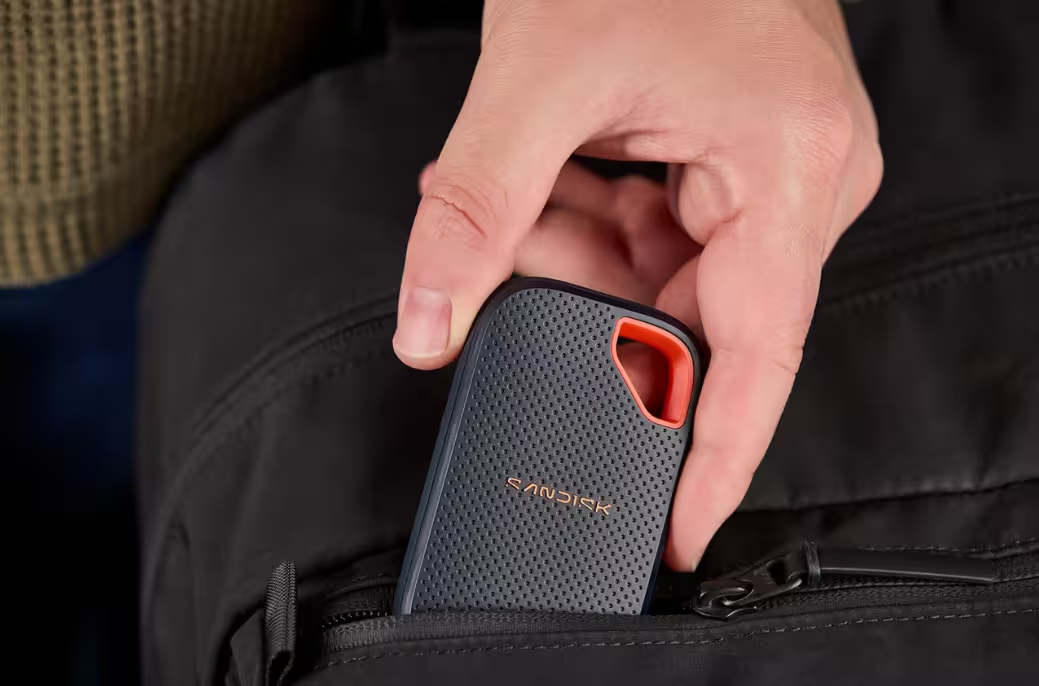
Durability is baked into the two higher-end models. Both the Extreme and Extreme PRO are rated to survive three-meter drops, carry IP65 protection against dust and water, and include 256-bit AES hardware encryption — features that make them suitable for fieldwork or travel. The basic Portable model can weather drops up to two meters, which covers most day-to-day accidents.
On pricing, SanDisk has made the Extreme Portable available immediately; the 1TB model starts at $259.99. The remainder of the lineup will roll out globally later in the year, staggered by capacity and model. If you need raw performance now, the Extreme PRO’s high-end speeds may be worth the wait depending on your budget and workflow.
For context, the market continues to diversify. Lexar recently introduced the JumpDrive D500, a dual-interface USB SSD that reaches up to 400MB/s, and refreshed its JumpDrive A50V/C50V series with 512GB and 1TB USB sticks capped at about 200MB/s. Those are aimed at portability and compatibility rather than the sustained heavy lifting SanDisk’s new Extreme lineups target.
So what should you take away? If your day includes hefty files, real-time editing or long shoots, the Extreme PRO moves the needle. If you’re a creator who needs a fast, reliable drive without breaking the bank, the Extreme Portable strikes a middle ground. And if you just want safe, fast-ish external storage for documents and photo backups, the basic Portable will do the job — quietly and efficiently.
Which one to pick depends on how often your storage becomes the bottleneck — and whether you're ready to carry a bit more speed in your pocket.

Leave a Comment
Comments
No comments yet. Be the first.