
3 Minutes
Think the iPhone 18 Pro price hike is just about memory chips? Think again. Apple is reportedly bumping into cost pressure from several directions, and one surprising culprit is the camera.
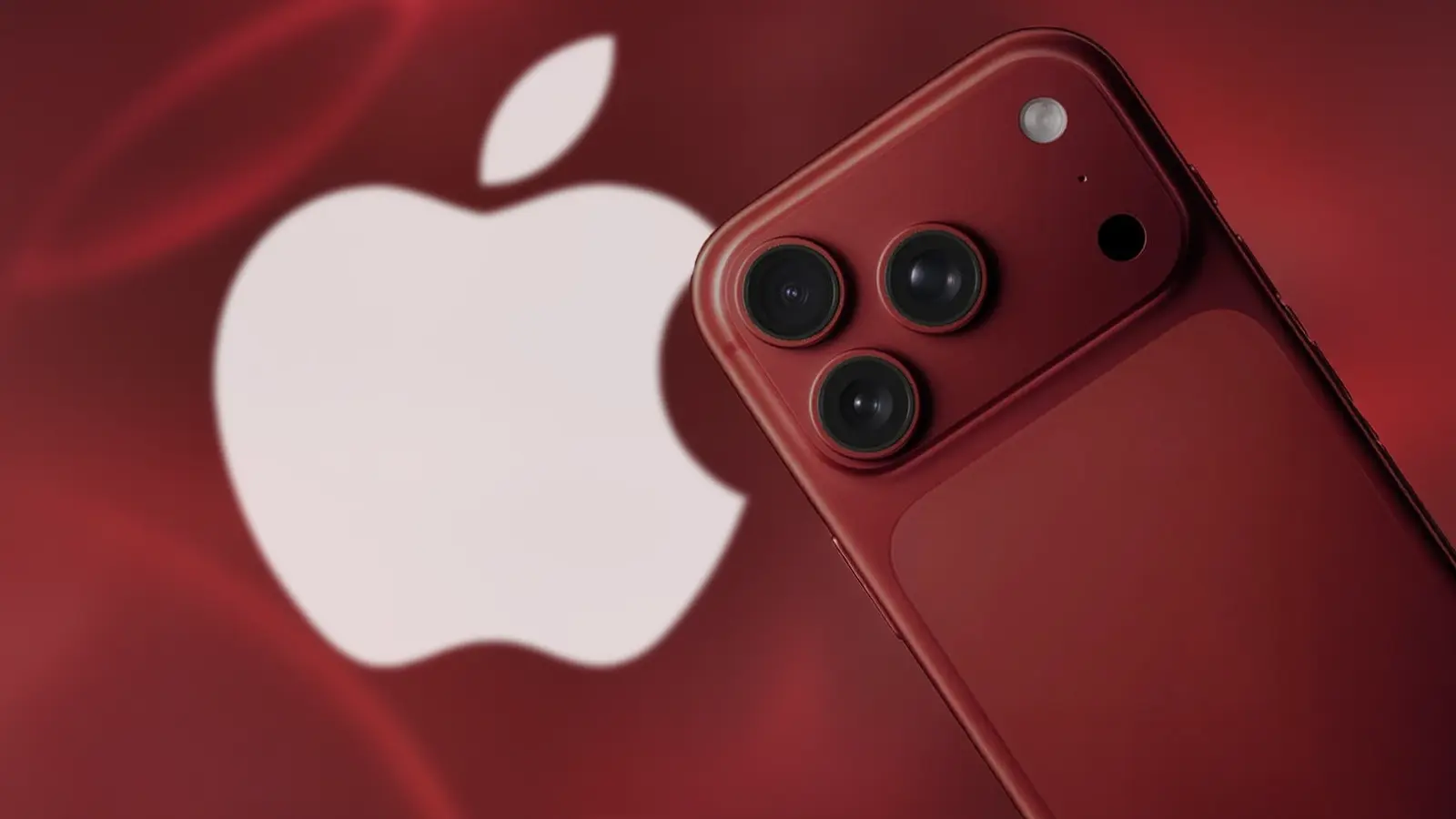
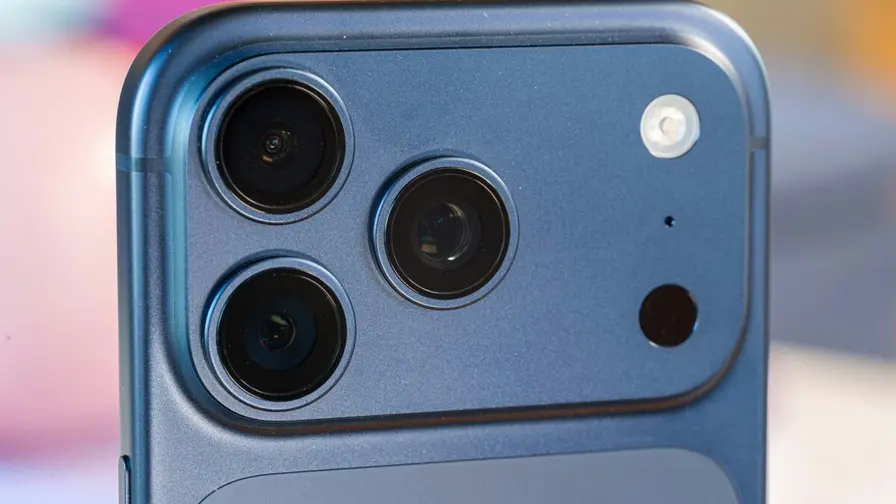
Analyst Ming-Chi Kuo, of TF International Securities, has flagged a move to a variable aperture camera on the iPhone 18 Pro and Pro Max — a component that could cost roughly 50% more than the 7P plastic ultrawide lens used in this year’s Pro models. That’s not a minor tweak. It’s the kind of hardware shift that creeps into a bill of materials and won’t quietly disappear at checkout.
Why the sticker shock? Variable aperture assemblies are mechanically and optically more complex. They need tighter tolerances, extra elements, and often new suppliers to scale production. Sunny Optical is tipped to win a substantial slice of the business — somewhere around 40 to 50 percent of orders — which suggests supply chains are already being reshuffled and margins recalibrated behind the scenes.
Remember when Samsung briefly experimented with variable apertures on the Galaxy S9? That was an early demo of the idea, limited to just two aperture states. Apple’s late entry gives it an opportunity to learn from that misstep. Expect more refined implementation: multiple aperture steps for both stills and video, smarter computational pairing, and a camera that behaves like a miniature studio lens when you need it to.

And the camera isn’t the only tension point. The iPhone 18 Pro line is expected to debut Apple’s A20 Pro, reportedly TSMC’s first mass-produced 2nm chip, and sources suggest that silicon could command a hefty per-unit price — around $280 according to industry estimates. Combine that with dwindling DRAM stockpiles forcing premium-paid replenishments, and Apple’s cost base starts to look crowded on every side.
Put all the pieces together and a $100 uptick on the Pro models doesn’t sound fanciful. Suppliers changing, newer optics, cutting-edge silicon — these are real expenses. Apple can absorb some of that cost, but only so far without trimming features or margins.
For buyers, the choice narrows to what they value: incremental camera versatility and the latest fabrication node, or the same price they paid last year. For the industry, it’s a reminder that cutting-edge robotics in a phone can ripple through pricing in ways a spec sheet doesn’t show.
Will you pay for the camera and the chip? If history is any guide, early adopters will — and the rest will watch the price tags very closely.

Leave a Comment
Comments
No comments yet. Be the first.