
3 Minutes
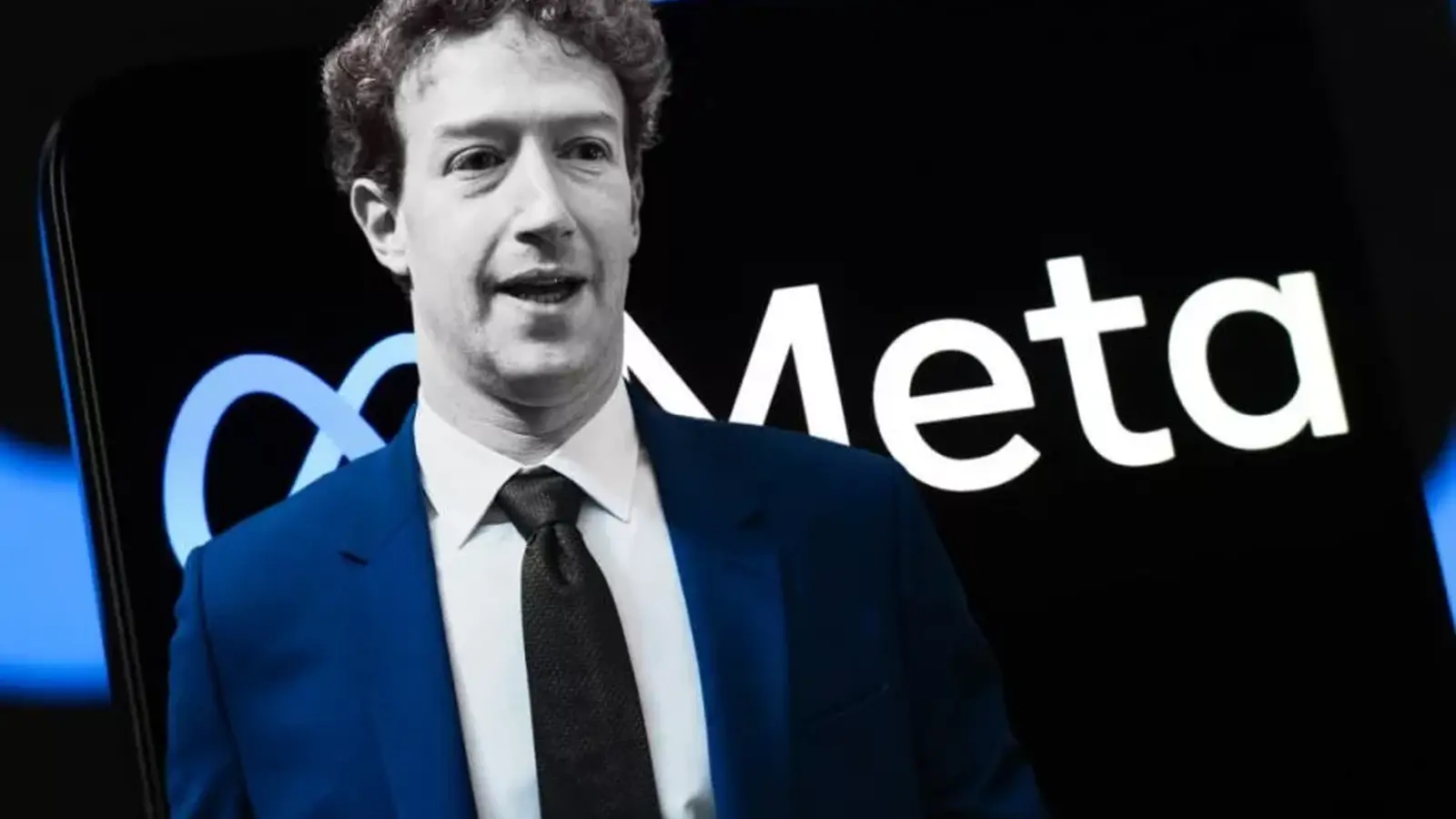
Picture a digital helper that wakes up with you, remembers your prescriptions, nudges your savings plan, and quietly negotiates your dinner reservation. Mark Zuckerberg thinks that won’t be science fiction for long. He told investors that within five years billions of people could be paired with personal AI agents — but only if the underlying infrastructure can scale without frying the planet.
That last bit matters. These agents won’t run on laptops. They live in datacenters. And datacenters are energy gluttons. Meta’s CEO warned that delivering always-on, goal-driven assistants at global scale requires far more efficient data centers and smarter energy planning to avoid major climate fallout.
What would these agents actually do? According to Zuckerberg, they’d help with everything from finances and healthcare to relationships and household chores. Think less robotic scheduler and more digital partner that understands your priorities and works on them around the clock. It’s a vision of AI that acts on behalf of people, not just answers questions.
Meta is already wiring its messaging stack into that future. WhatsApp, Zuckerberg said, is becoming the primary surface for Meta AI interactions. As millions communicate through chat, those conversations could be the bridge between human intent and an assistant that executes tasks. Other players are chasing similar ideas: Google is pushing personalized assistants into search, and Anthropic’s Claude has found traction among engineers with coding assistants like Claude Code.

But big visions attract big costs — and skepticism. Investors have been jittery about Meta’s appetite for high-risk projects. After the latest earnings, the company’s stock slid nearly 10 percent. Reality Labs, Meta’s augmented- and virtual-reality arm, posted about $4.6 billion in losses this quarter alone, bringing its cumulative deficit since 2021 to roughly $88 billion.
AI spending is another drain. Meta’s free cash flow this quarter fell to $784 million, down a staggering 91 percent from $8.55 billion a year earlier. To shore up capacity, Meta announced a partnership with BlackRock to build a $14 billion datacenter in El Paso, Texas — a bet that scale and efficiency can be bought and built alongside strategic partners.
All this investment says something obvious: the future is likely to be sold as services, not raw compute. Selling intelligence and outcomes will fetch far higher margins than charging for processing power. Personal AI assistants, Zuckerberg argues, will form the backbone of Meta’s next wave of products and revenue.
There are potential friction points. Privacy, regulatory scrutiny, and the carbon cost of training and running models are not minor footnotes. Consumers may welcome helpers that save time, but they’ll also want control and transparency. And shareholders want returns — soon.
Despite the uncertainty, other signals suggest momentum. Meta’s social experiments continue: Threads now reports about 175 million monthly active users and marked its first anniversary with cosmetic updates like custom icons. Meanwhile, subscription models around AI coding assistants and bespoke search experiences are gaining traction across the tech ecosystem.
So what happens next? Companies will race to make assistants useful, safe, and efficient. Datacenters will get smarter. Messaging apps will grow teeth. And the debate over who controls the agent that acts on your behalf will only intensify as these services move from novelty to necessity.
Either way, the next five years are shaping up to be the test of whether personal AI becomes an everyday utility — or an expensive experiment most people leave turned off.

Leave a Comment
Comments
No comments yet. Be the first.