
3 Minutes
Meta quietly filed new entries with the FCC. Not a handful. Four separate model numbers showed up: G4QM, G4QR, G4QB and G4QS. Short, redacted documents. Big implications.
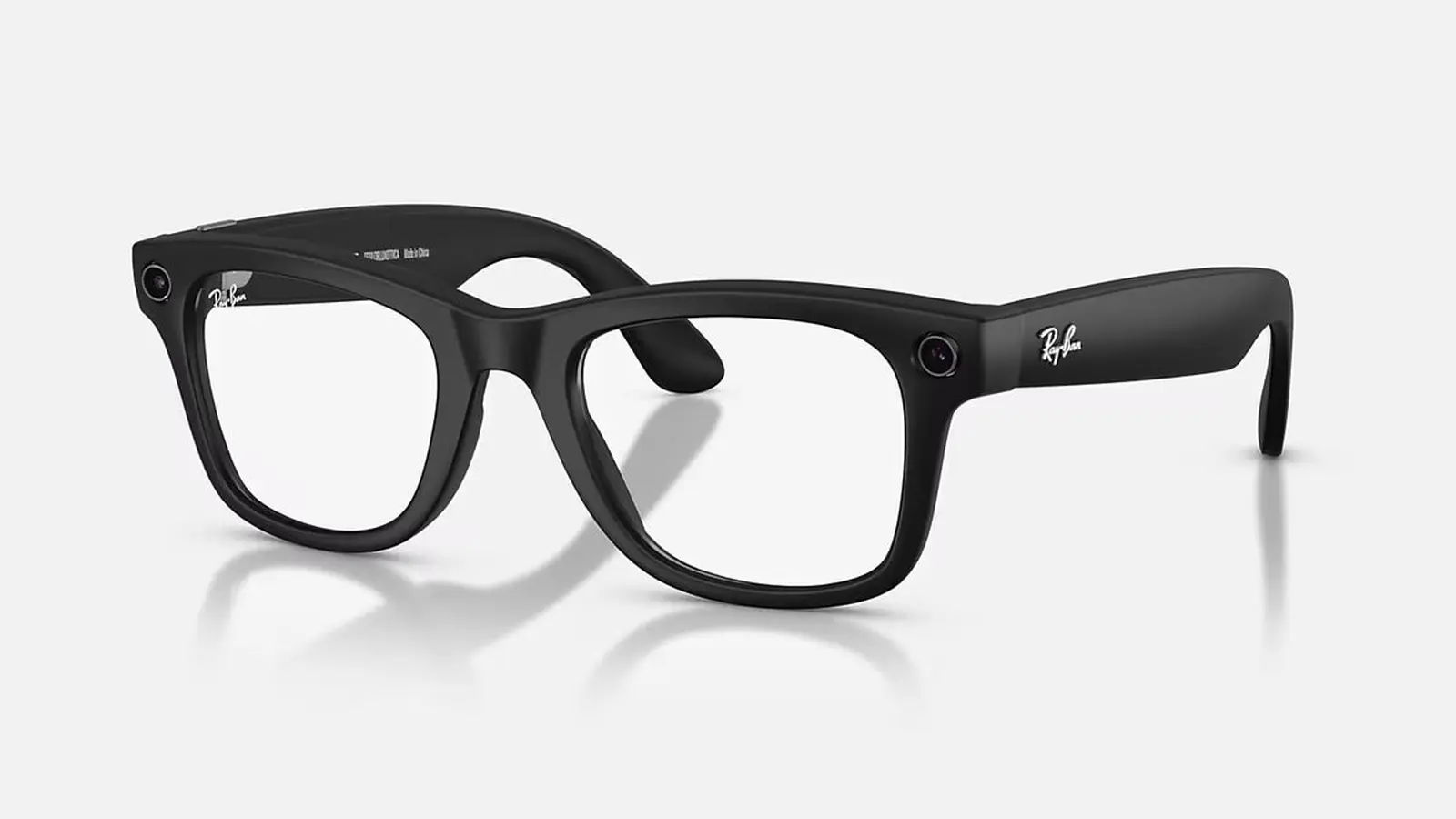
Until now, the most visible route into wearable optics came through EssilorLuxottica — the company behind Ray‑Ban frames — and that partnership gave Meta an instant style passport. Suddenly, though, the paperwork is registered under Meta’s name. Is this a simple bureaucratic switch? Maybe. Is it a sign that Meta wants its own badge on the temple? That looks increasingly likely.
There are several ways to read the filings. One option is another display model — a direct follow-up to the Ray-Ban Display. Another is a line of frames that carry only Meta branding. A third, and more disruptive, possibility: a brand-new hardware partner stepped in behind the scenes. The filings don’t say more. They rarely do.

Why does the label matter? Because smart glasses aren’t only about chips and cameras. They are fashion, identity and privacy rolled into one fragile purchase decision. People will wear these things on their faces. That makes design a dealbreaker. The Ray‑Ban name wasn’t just a logo; it was a design shortcut that made Meta’s privacy tradeoffs feel easier to swallow. Lose that, and the calculus changes.
Competition is closing fast. Samsung and Google plan to launch Android XR headsets later this year, positioning theirs as natural companions for phones millions already own. Apple is rumored to enter the fray early next year. When household brands with entrenched ecosystems enter, convenience and ecosystem fit start to outweigh novelty. Meta’s early lead could erode, and quickly.
Then there’s the question of perception. Would consumers happily buy “Facebook-branded” eyewear? Would an Instagram badge feel glamorous? These are not product-engineering problems alone. They are marketing and cultural challenges. Wearable tech lives or dies by social acceptability. Tech specs matter. So do how you look at the bus stop.

For now, the filings only tell us that new models exist and launch plans are likely near. They don’t tell us what those models will feel like on your face, or which logo will sit over the hinge. But they do reveal a company at a crossroads, weighing branding, partners and the steep costs of mass appeal.
Whatever Meta decides, the next chapter in smart glasses will be defined as much by taste as by silicon. Will the industry settle into a few recognizable looks, or will every manufacturer chase a different aesthetic? The answer will shape not just product roadmaps, but how we all choose to wear our tech.

Leave a Comment
Comments
No comments yet. Be the first.