
3 Minutes
Inside the Galaxy Z Flip 7: What the teardown reveals
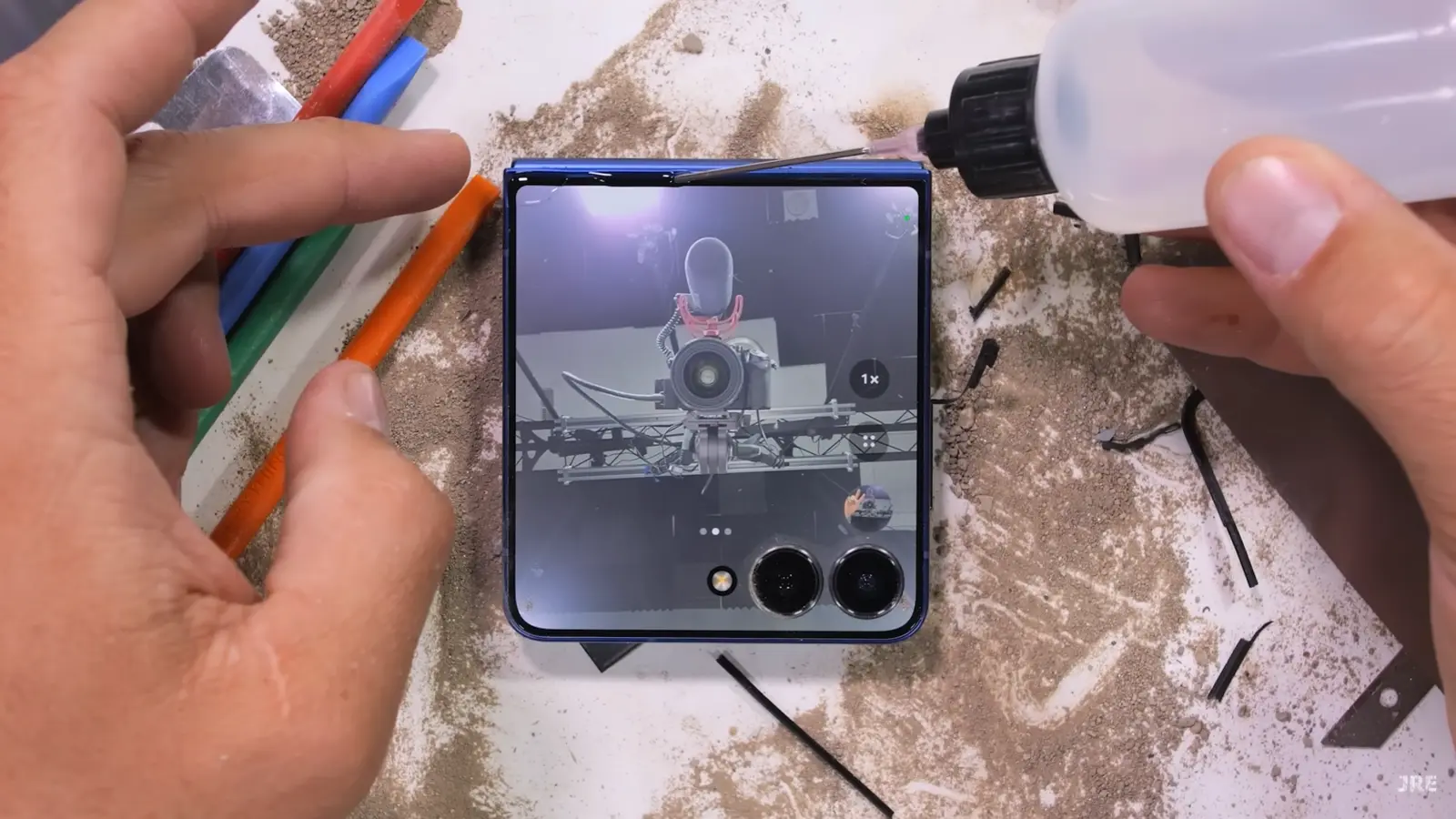
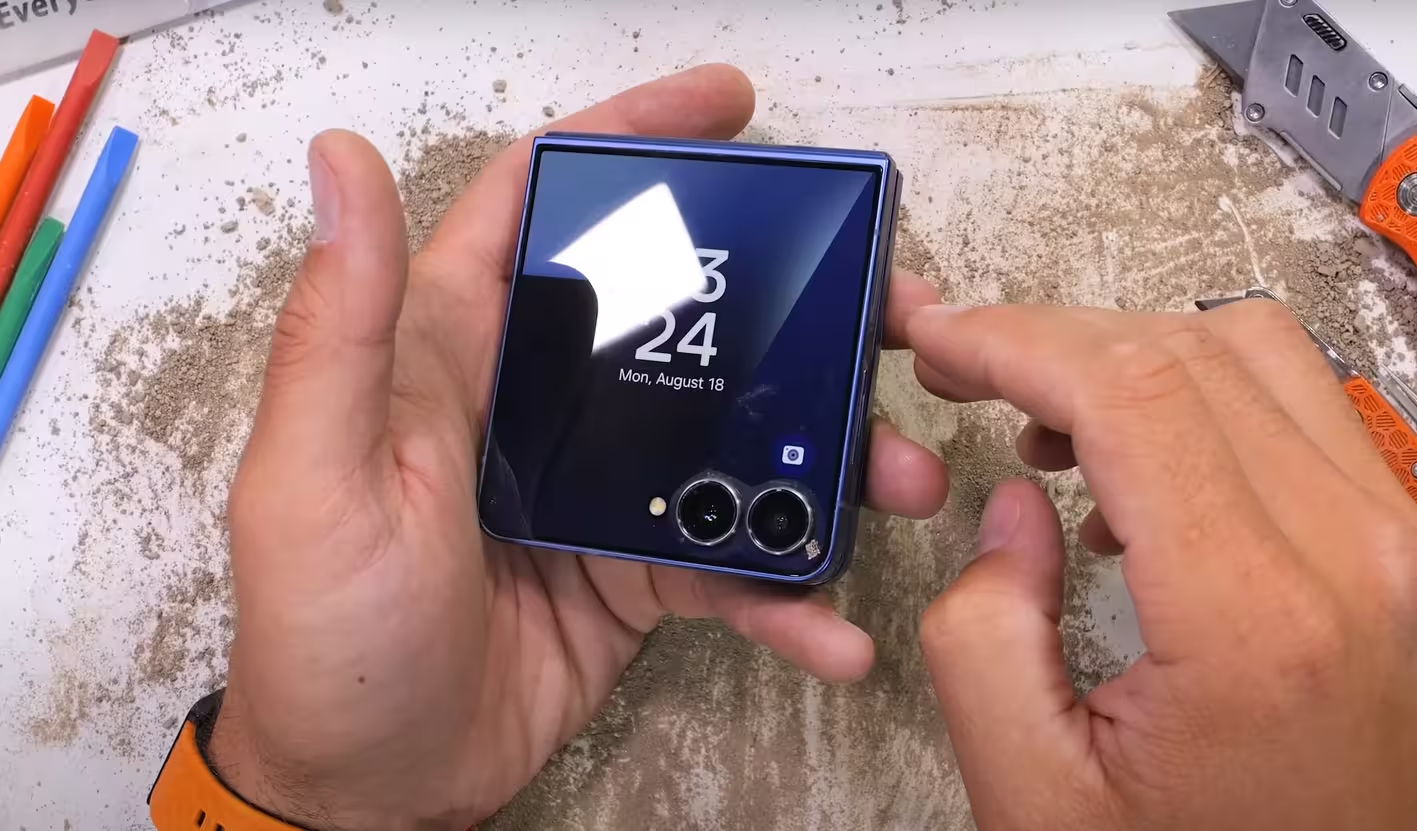
Samsung’s Galaxy Z Flip 7 may look familiar from the outside, but a recent teardown shows meaningful internal changes that could boost repairability and device longevity. The teardown, shared by Zack Nelson of JerryRigEverything on August 25, follows earlier durability testing and highlights several design choices that make common repairs less painful for technicians and owners alike.
Key hardware changes
Battery and fastener upgrades
One notable update: the Flip 7 uses standard Philips screws rather than proprietary fasteners, simplifying disassembly with common tools. Samsung also moved away from fully glued battery assemblies — the dual battery cells now include pull tabs, which significantly eases battery replacement compared with previous Flip generations where adhesive made swaps tricky and time-consuming.
Display and hinge remain challenging
The biggest technical hurdle continues to be the 6.9-inch flexible OLED inner display. Flexible screens are inherently delicate, and replacing the foldable panel is still complex and risky. Likewise, the IP48-rated dust-resistant hinge, marketed as 'Armor Flex', is robust but complicated to service. Replacing hinge components after impact or wear will likely require skilled technicians and special procedures.
Product features and serviceability
Beyond repairability, the Flip 7 offers the expected flagship features: a large foldable flexible OLED main display, a usable cover screen, and premium build materials. From a service perspective, the cover display and back plate came off in one piece during the teardown after applying heat and isopropyl alcohol to loosen adhesive — indicating those parts are accessible for replacement without extreme difficulty.
Comparisons and advantages
Compared with earlier Flip models, Samsung’s small but meaningful changes—standard screws and removable-style battery tabs—reduce repair complexity and turnaround time. Against competitors, such as clamshell devices that use proprietary screws or heavier adhesive, the Flip 7’s design signals a modest shift toward better repairability and device longevity.
Use cases and who benefits
These tweaks benefit a range of users: repair shops gain faster, safer workflows; independent technicians can service devices with more common tools; and consumers stand to enjoy longer device lifespans and potentially lower out-of-warranty repair costs. For professionals who rely on frequent device upgrades or refurbishing, the Flip 7 is a more practical option than previous clamshell models.
Market relevance
As foldables work to shed a reputation for fragility, Samsung’s incremental move toward service-friendly assembly is strategically important. It helps address customer concerns about repair costs and sustainability, while keeping the Flip 7 competitive in the premium foldable market. Though internal repairs—especially involving the foldable OLED and hinge—remain specialized tasks, the overall net effect is a device that could stay usable longer and be easier to maintain.
Bottom line
The Galaxy Z Flip 7 teardown shows Samsung balancing fragility and practicality. Easier screws and battery tabs are quiet but impactful design choices that improve repairability without fundamentally changing the flip form factor. For tech enthusiasts and professionals tracking foldable phone durability and repairability, the Flip 7 represents a positive, if cautious, step forward.







Leave a Comment
Comments
No comments yet. Be the first.