
6 Minutes
Lenovo Levels Up Its Handheld Gaming Line
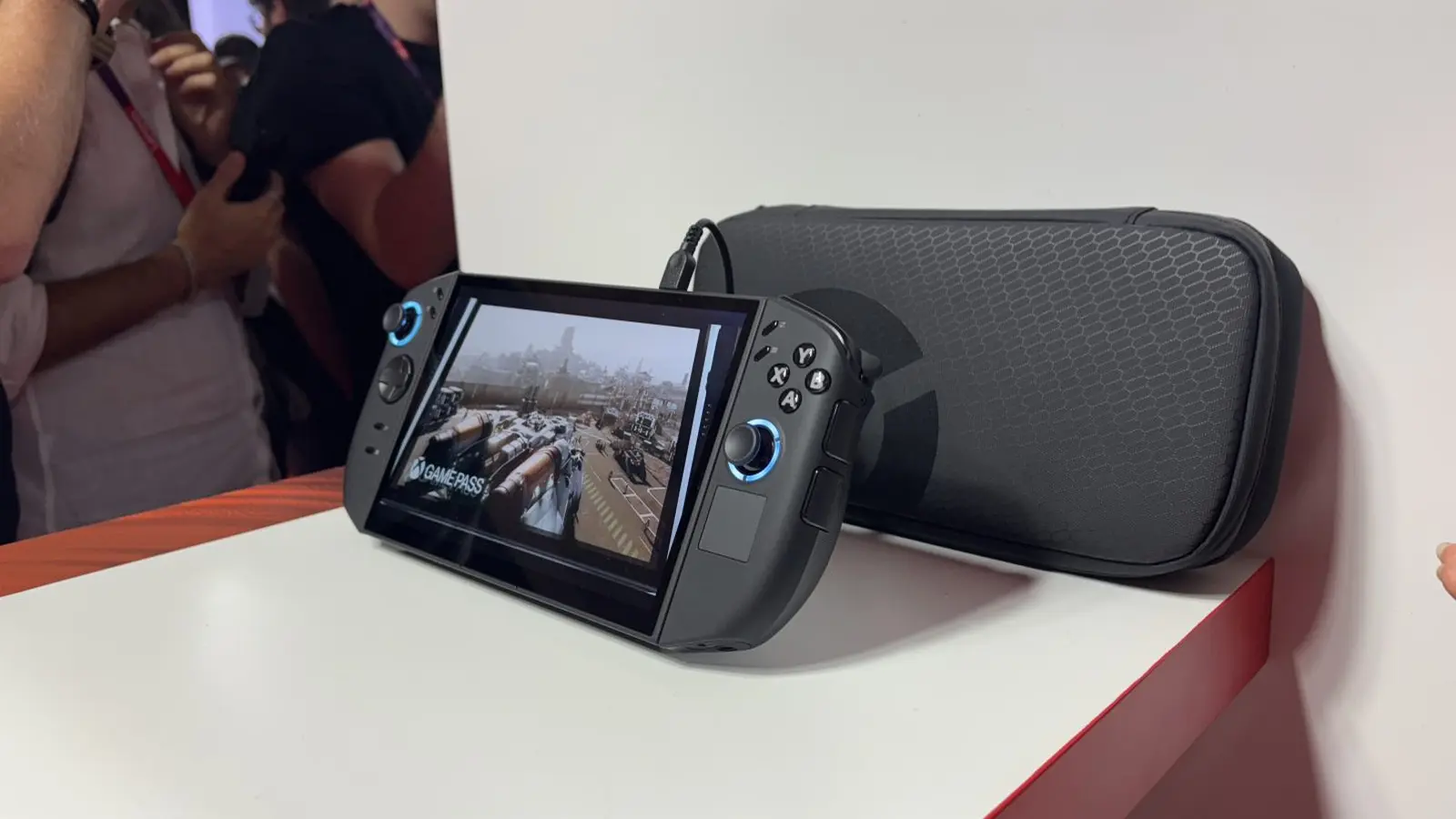
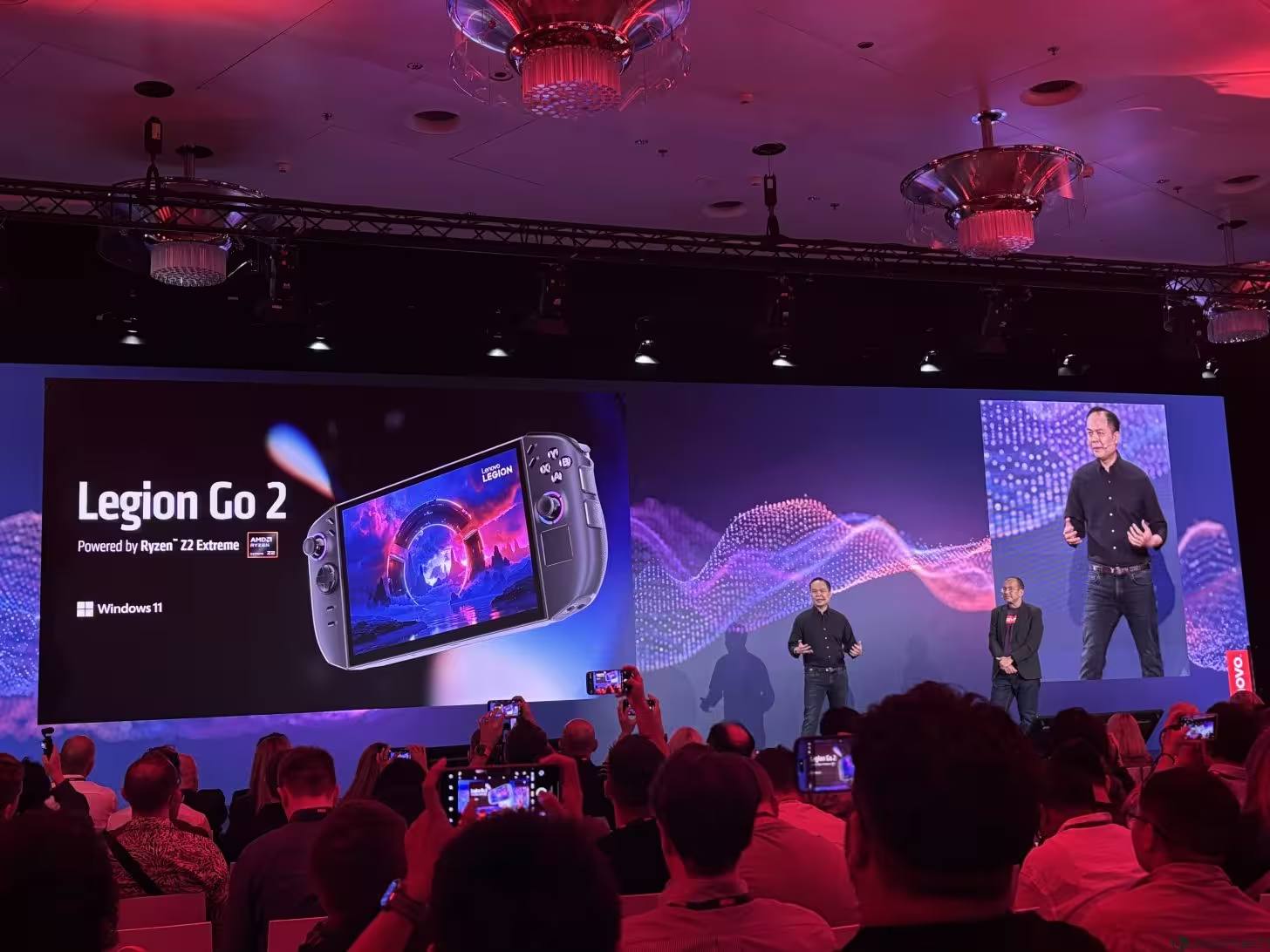
Lenovo has unveiled the Legion Go 2, the next-generation handheld gaming PC that brings major hardware and design upgrades to the lineup. Building on the original Legion Go family, this new model introduces AMD's Ryzen Z2 Extreme option, a higher-capacity memory configuration, an upgraded OLED display, and a significantly larger battery — all wrapped in a sleeker, more ergonomic chassis. Starting at $1,049 in the US and due later this month (September 2025), the Legion Go 2 aims to compete in the premium portable gaming segment dominated by high-performance handheld PCs.
Related Story Lenovo Legion Go 2 Handheld Features Up To AMD Ryzen Z2 Extreme, 32 GB LPDDR5X-8000 Memory, 1 TB SSD, 74Whr Battery & OLED 144Hz Display
Design and Ergonomics
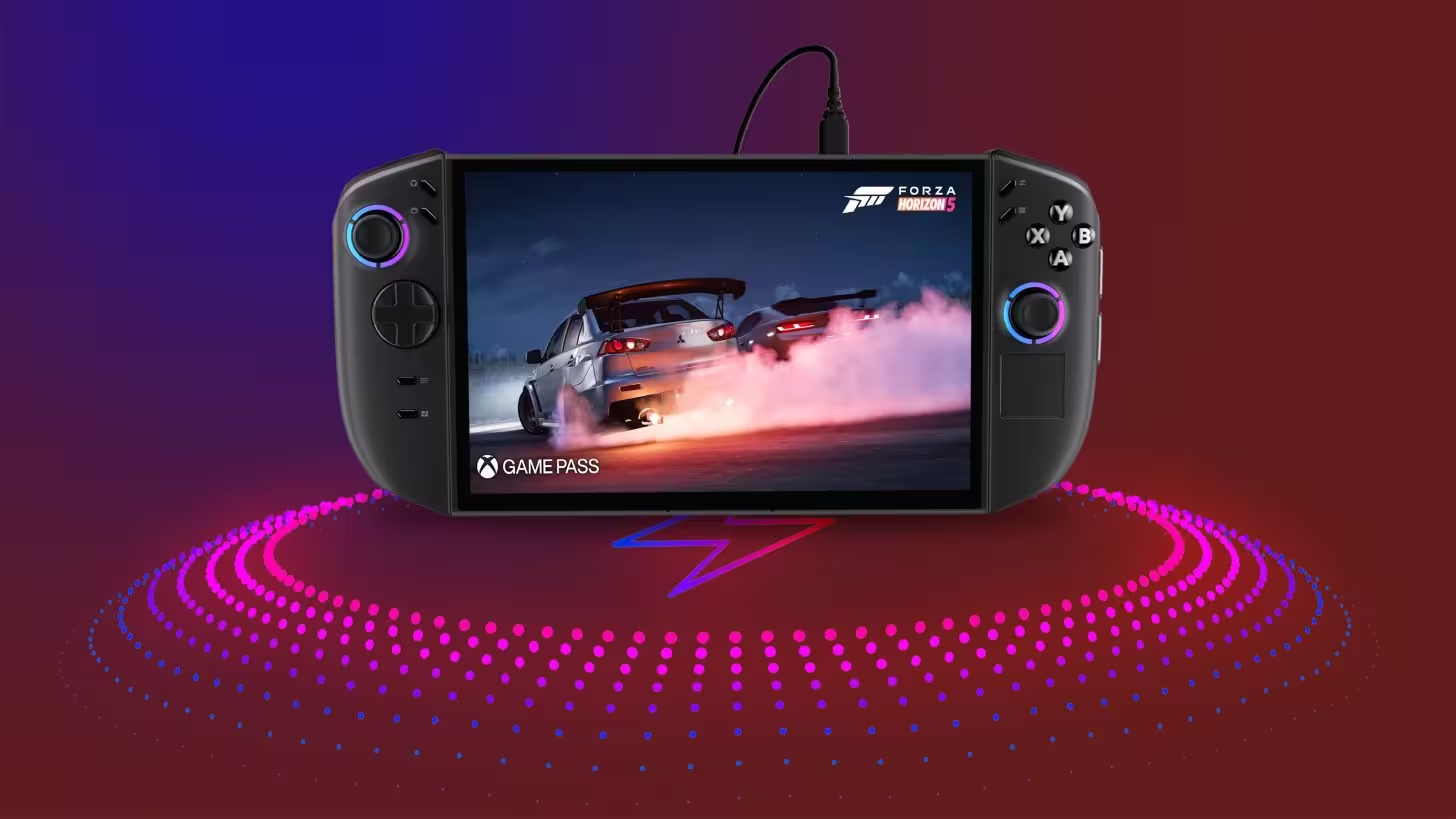
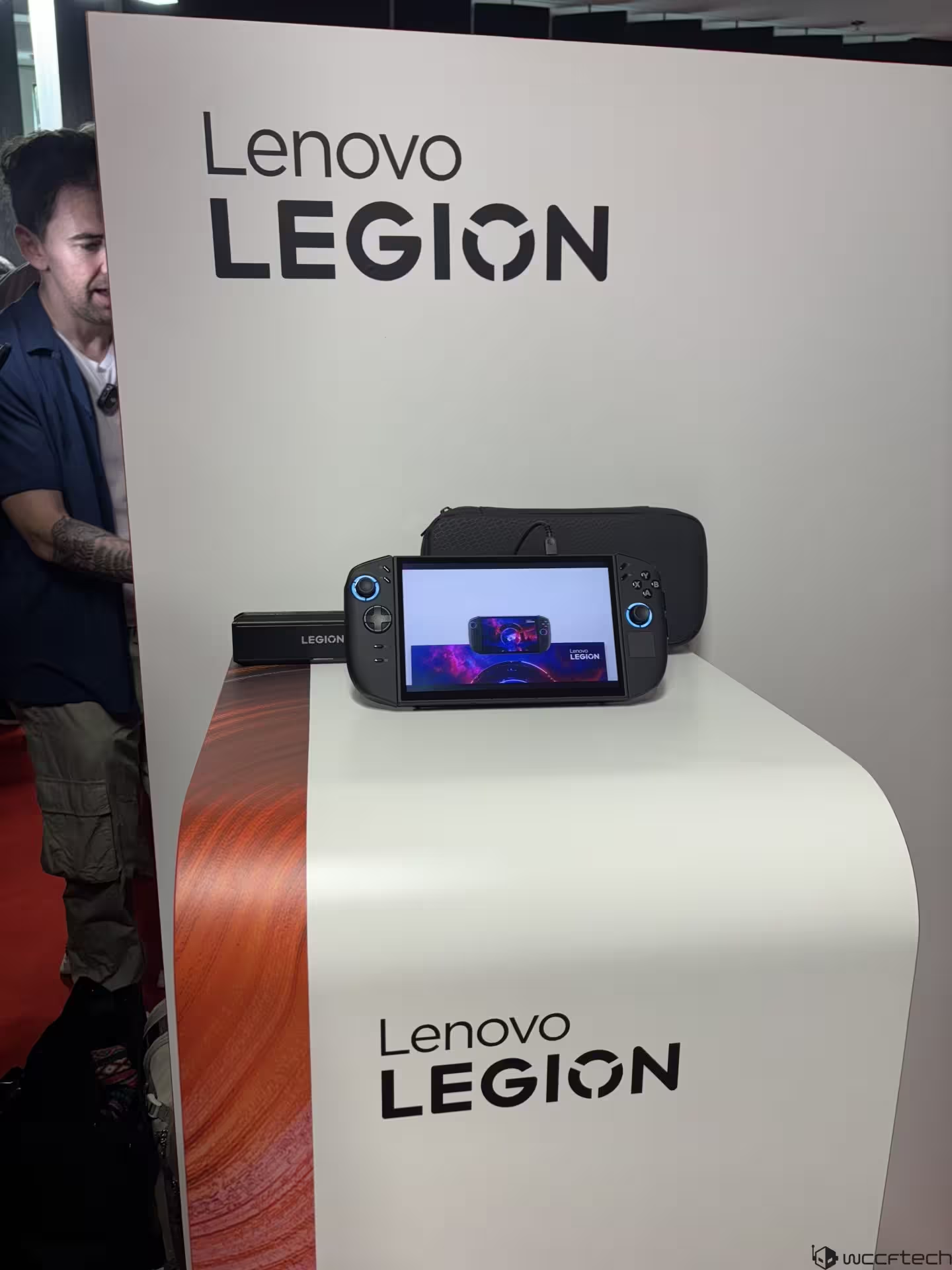
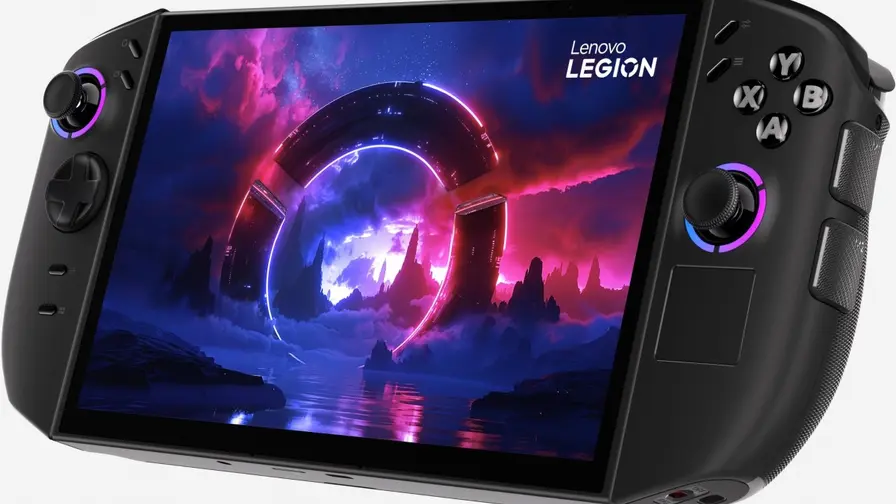
On first impression, the Legion Go 2 feels more refined than its predecessor. Lenovo has reworked the handgrips, button placement and overall balance to improve long-session comfort. Like the original Legion Go, the new model supports multiple play styles: the joysticks remain removable so you can switch between handheld, console-like (with a controller dock), tablet, and a more PC-centric FPS configuration using the dedicated FPS stick. That 3-in-1 versatility is central to the Legion Go 2's appeal, letting players toggle between a portable gaming PC and a near-console living room experience.
Display: OLED, 144Hz, and a Wider Field of View
The Legion Go 2 sports an 8.8-inch OLED panel with a 1200p (16:10) resolution and a native landscape mode. This display supports refresh rates up to 144Hz, offers up to 500 nits of typical brightness, and is rated for True Black 1000 HDR. Compared to the original Legion Go's 1600p IPS screen, the OLED brings deeper blacks, better contrast, and improved color when gaming or streaming HDR-enabled content — a notable upgrade for handheld users who value image quality and responsiveness.
Performance: AMD Ryzen Z2 Extreme vs. Ryzen Z2
The headline upgrade is the option for AMD's Ryzen Z2 Extreme APU. Lenovo will offer configurations with the Z2 Extreme as well as other Ryzen Z2 SKUs, giving buyers a choice between top-tier portable performance and more power-efficient options. Here's what you need to know about the silicon:
Ryzen Z2 Extreme (Strix Point)
- Architecture: Zen 5 CPU cores
- Graphics: RDNA 3.5 GPU with 16 CUs
- Cores/Threads: 8 cores, 16 threads
- Target: High-performance handheld gaming and demanding PC titles at elevated settings
Ryzen Z2 (Hawk)
- Architecture: Zen 4 CPU cores
- Graphics: RDNA 3 GPU with 12 CUs
- Cores/Threads: 8 cores, 16 threads
- Target: Strong mid-to-high performance with improved power efficiency
Both APUs deliver eight CPU cores and 16 threads, but the Z2 Extreme benefits from the newer Zen 5 improvements and additional RDNA 3.5 GPU compute units, making it the choice for users who prioritize higher frame rates and better graphical fidelity in AAA titles on the go.
Memory, Storage and Expandability
Memory has been doubled compared to the previous model, with configurations up to 32 GB of LPDDR5X-8000. This is a meaningful upgrade for multitasking, streaming, and running PC titles that can benefit from higher bandwidth. Storage starts at a roomy 1 TB PCIe SSD, and there’s support for expandable microSD storage up to 2 TB — useful for carrying large game libraries when you’re away from Wi‑Fi.
Cooling, Thermals and Battery Life
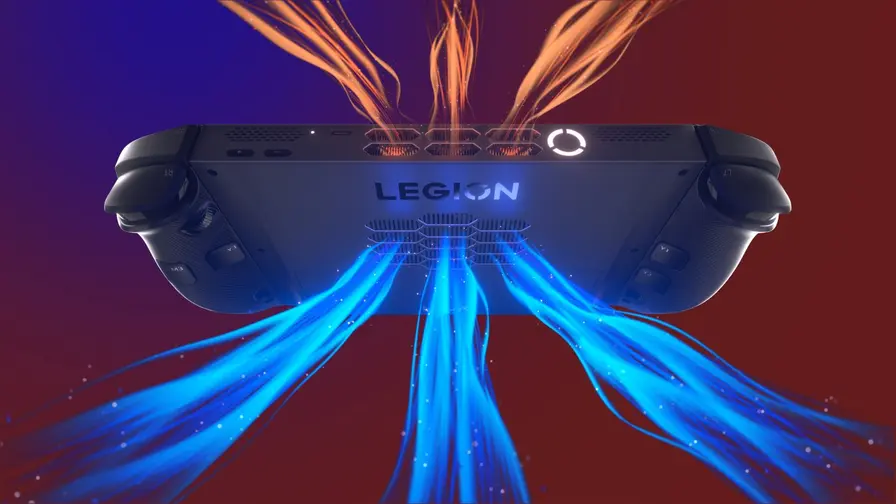
Lenovo re-engineered the internal cooling with a larger fan and bigger exhausts to improve airflow and sustained performance. Two large vents sit on the device’s bottom and rear and are claimed to be controllable by the user for custom thermal profiles — a welcome feature for advanced users who want to balance acoustics and peak performance.
Battery capacity jumps to 74Whr, up considerably from the previous 49.2Whr pack. This increase aims to extend playtime under both light and heavy loads, though actual battery life will vary with titles, refresh rate settings, and CPU/GPU power modes. The device ships with a 65W AC adapter for charging and top-ups during play.
I/O, Extras and Built-In Features
Connectivity is modern and flexible: the Legion Go 2 includes dual USB4 Type-C ports (each supporting DisplayPort 2.0 and Power Delivery 3.0), a 3.5mm combo audio jack, and a microSD card slot. Other niceties include a rear-mounted fingerprint reader for secure logins and quick profile switching. These features together make the handheld usable as both a portable console and a compact productivity device for light PC tasks.
Comparisons: Legion Go 2 vs. Original Legion Go
Key differences between the Legion Go 2 and its predecessor are straightforward:
- CPU/GPU: Option for the newer Ryzen Z2 Extreme (Zen 5 + RDNA 3.5) vs. earlier Z1/Z2 generations.
- Display: OLED 1200p 144Hz (Go 2) vs. 1600p IPS 144Hz (original Go).
- Memory: Up to 32 GB LPDDR5X-8000 (Go 2) vs. 16 GB LPDDR5X-7500 (original Go).
- Battery: 74Whr (Go 2) vs. 49.2Whr previously.
- Cooling: Enlarged fan and additional vents for better sustained performance.
In short, the Legion Go 2 focuses on more power, better thermals, and a premium display while keeping the core modular play modes that defined the original device.
Advantages and Target Users
The Legion Go 2 targets enthusiasts who want a high-performance handheld capable of running modern PC games with competitive frame rates. Advantages include:
- Top-tier portable performance with Ryzen Z2 Extreme for demanding AAA titles.
- A vivid OLED display with high refresh rate for smooth, immersive gameplay.
- Improved thermals and bigger battery for longer sustained sessions.
- Robust memory and storage options for multitasking and large game libraries.
- Multiple play modes for flexible use at home, on the road, or docked to a display.
These traits make the Legion Go 2 suitable for content creators who need mobile editing/playback capabilities, competitive players who value frame rate and response, and travelers who want a full PC gaming experience without a laptop.
Use Cases and Real-World Scenarios
Consider the following practical examples where the Legion Go 2 excels:
- Road trips and flights: Play recent AAA titles at reasonable settings while commuting, thanks to the improved battery and thermal design.
- Local multiplayer: Remove joysticks and attach a controller dock for living-room play with friends.
- On-location content editing: Use the USB4 ports to connect external storage and displays for quick edits or footage review.
- Competitive gaming: Tune cooling profiles and use the high-refresh OLED for responsive frame delivery in esports titles.
Market Relevance and Competitive Positioning
The premium handheld market is heating up, with multiple manufacturers delivering powerful portable PCs. The Legion Go 2 positions Lenovo as a serious contender by offering Zen 5-based silicon, a premium OLED display, and a modular form factor. Its $1,049 starting price puts it squarely in the high-end tier, competing with other performance-focused handhelds and ultraportable gaming laptops. For buyers prioritizing raw handheld performance and a bright, HDR-ready OLED, the Go 2 will be an attractive, albeit pricier, option.

Final Thoughts and Availability
Lenovo's Legion Go 2 is a meaningful evolutionary step for the brand’s handheld lineup. With powerful AMD silicon options, a high-quality OLED display, more RAM, larger storage, and a beefier battery and cooling system, the device addresses many of the critiques aimed at earlier handhelds. While its starting price of $1,049 makes it a premium purchase, the Legion Go 2 delivers a compelling feature set for gamers and prosumers who prioritize performance and display quality in a portable form factor. Expect availability later this month in September 2025.






Leave a Comment
Comments
No comments yet. Be the first.