
3 Minutes
Why the Galaxy S26 Ultra’s camera bump is noticeably larger
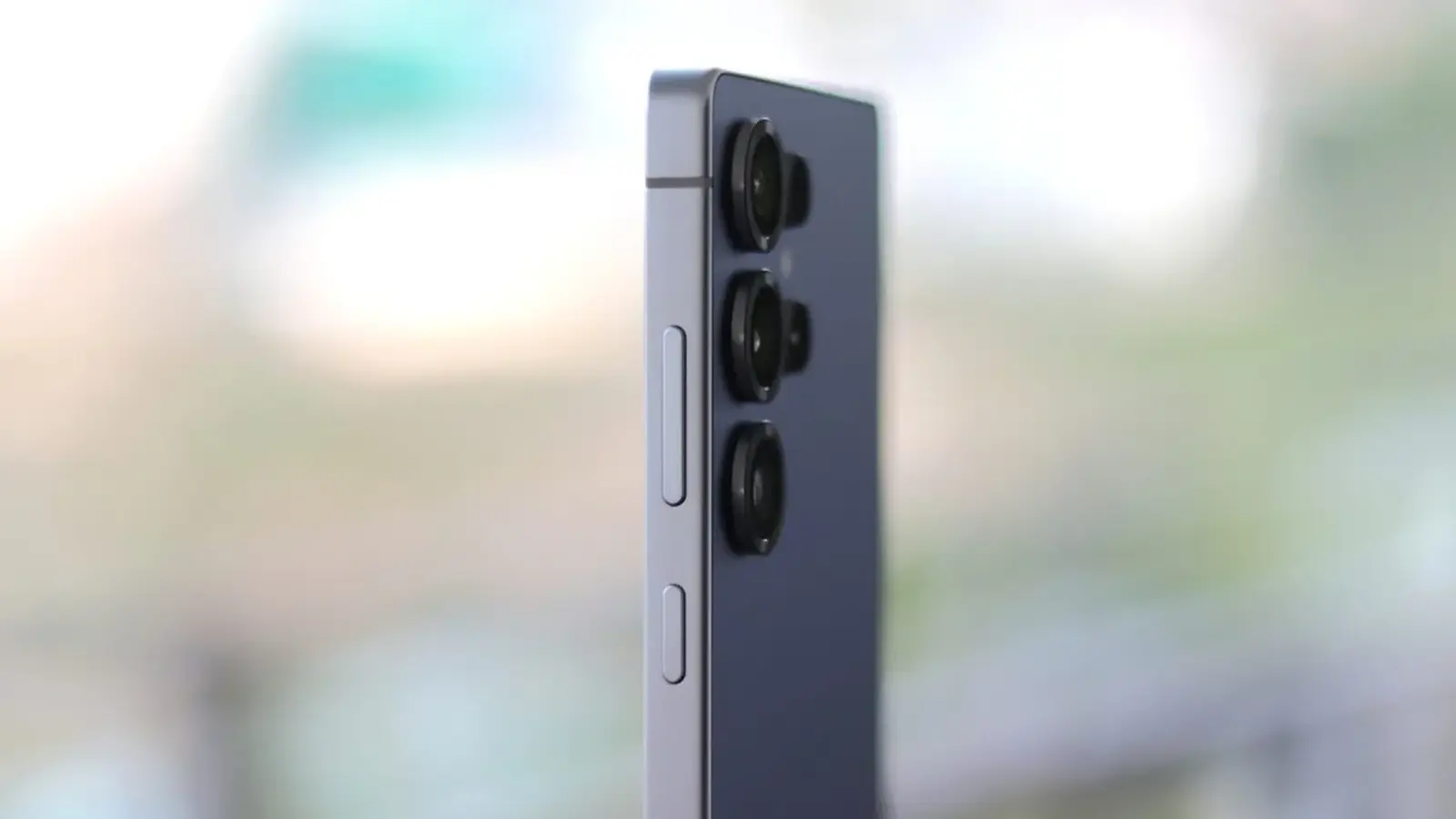
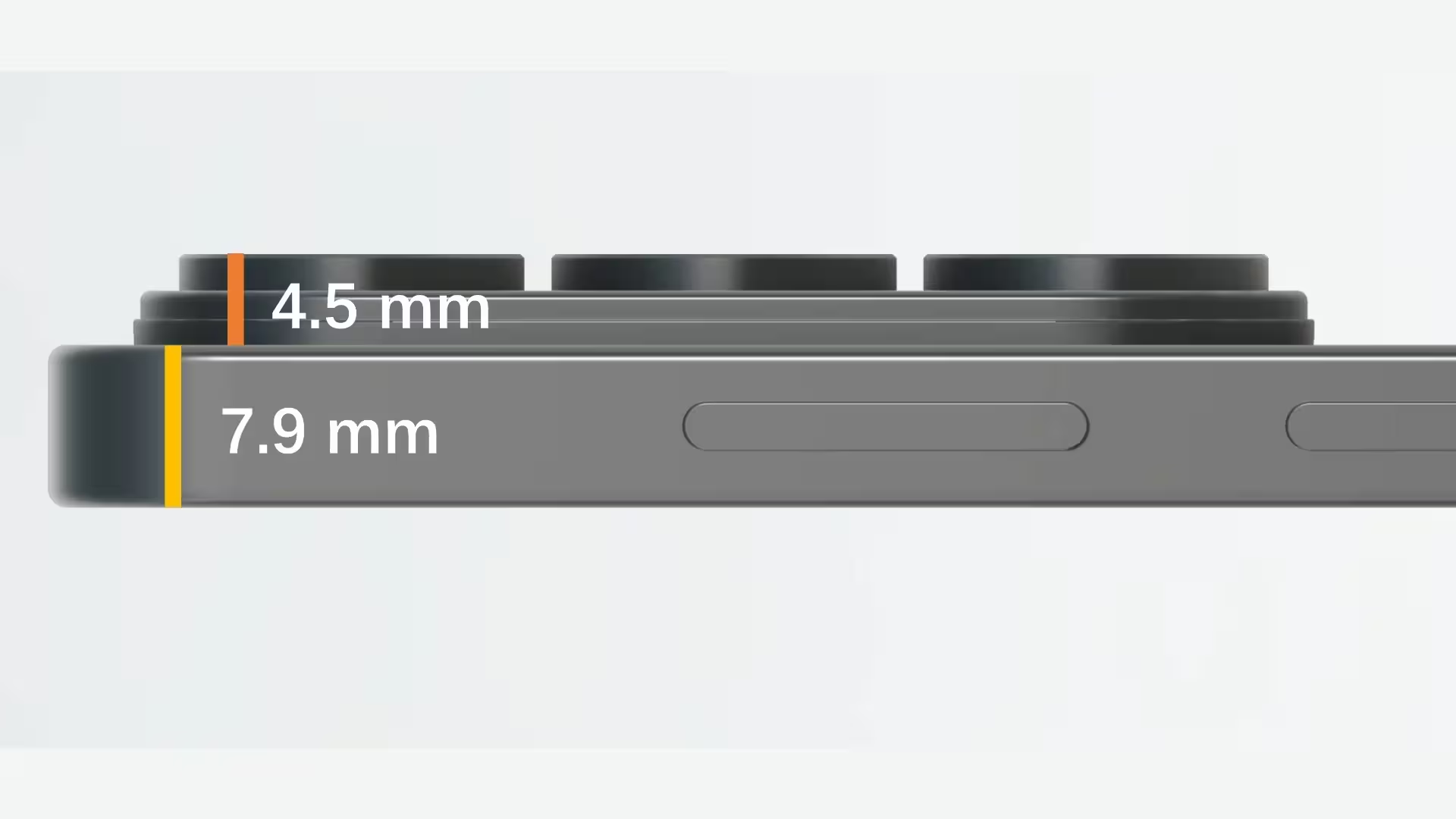
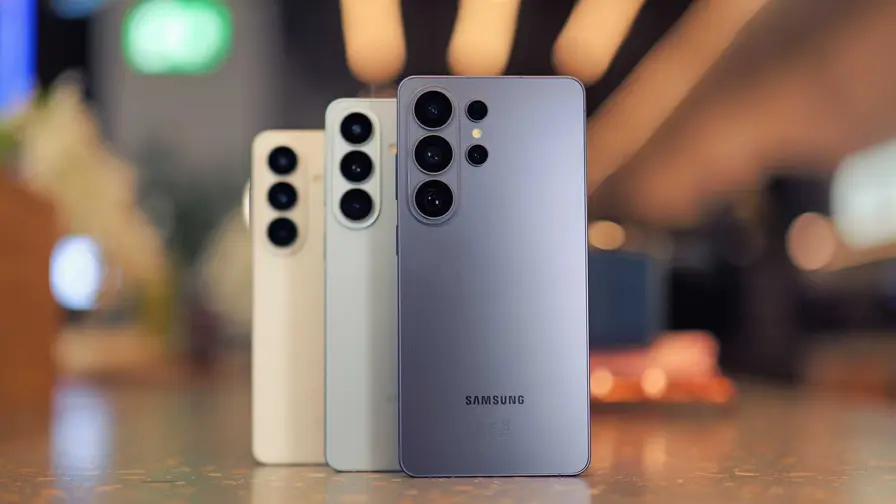
Samsung’s upcoming Galaxy S26 Ultra has drawn attention not because of brand-new sensors but because of a much larger camera hump. Leaks indicate the module grows to about 4.5mm thick — nearly double the Galaxy S25 Ultra’s 2.4mm bump. That might sound counterintuitive given reports the phone largely reuses existing camera sensors, but the explanation lies in design trade-offs and lens engineering.
Design and optical changes behind the larger bump
Tipster reports suggest the S26 Ultra’s body is thinner overall (around 7.9mm), yet Samsung is pairing its primary and telephoto modules with wider-aperture lenses (for example, a 200MP main camera with OIS at f/1.4). Wider-aperture glass is physically deeper and needs more space behind the lens to maintain optical performance, which explains the thicker camera island despite similar sensor sizes. In short: thinner chassis + wider aperture lenses = bigger camera bump.
Key specs and camera configuration
Leaked specifications for the Galaxy S26 Ultra highlight the photography focus of the device: a 200MP primary sensor with OIS and f/1.4 aperture, a 50MP ultrawide with autofocus, a 12MP telephoto at f/2.4 and a 50MP telephoto at f/2.9 with OIS. Samsung reportedly keeps a 12MP front-facing camera across the S26 lineup. These optics, combined with a faster processor, should deliver improved low-light detail, reduced noise and higher-quality stills and video.
Display, battery and charging
Beyond cameras, the S26 Ultra is expected to feature a 6.9-inch Dynamic AMOLED 2X display with a 120Hz variable refresh rate, HDR10+ support and an optional screen privacy mode. The chassis is said to be 0.3mm thinner and 1 gram lighter than its predecessor while retaining a 5,000mAh battery and enabling 60W fast charging. Reports are unclear on whether Qi2 magnetic charging will be supported.
Advantages, comparisons and real-world use cases
Opting for wider-aperture lenses provides tangible benefits: better low-light performance, shallower depth-of-field for portraits, and improved autofocus in telephoto shots. Compared with the S25 Ultra, users should notice brighter images, more detail and less noise without changing sensor sizes. For mobile photographers and content creators, the S26 Ultra’s configuration promises superior handheld night shots, more competitive telephoto performance and smoother video capture.
Market relevance
Samsung’s move highlights a broader trend in flagship phones: prioritizing computational photography supported by optical improvements rather than purely increasing sensor sizes. The larger camera bump signals Samsung’s commitment to photography performance — a selling point in a saturated premium market where imaging capability often drives purchase decisions.
.webp "Leaked Renders Reveal Samsung Galaxy S26 Pro and S26 Ultra Specs and Design")









Leave a Comment
Comments
No comments yet. Be the first.