
3 Minutes
Apple’s A19 Pro Benchmarks: A Mobile CPU Leap
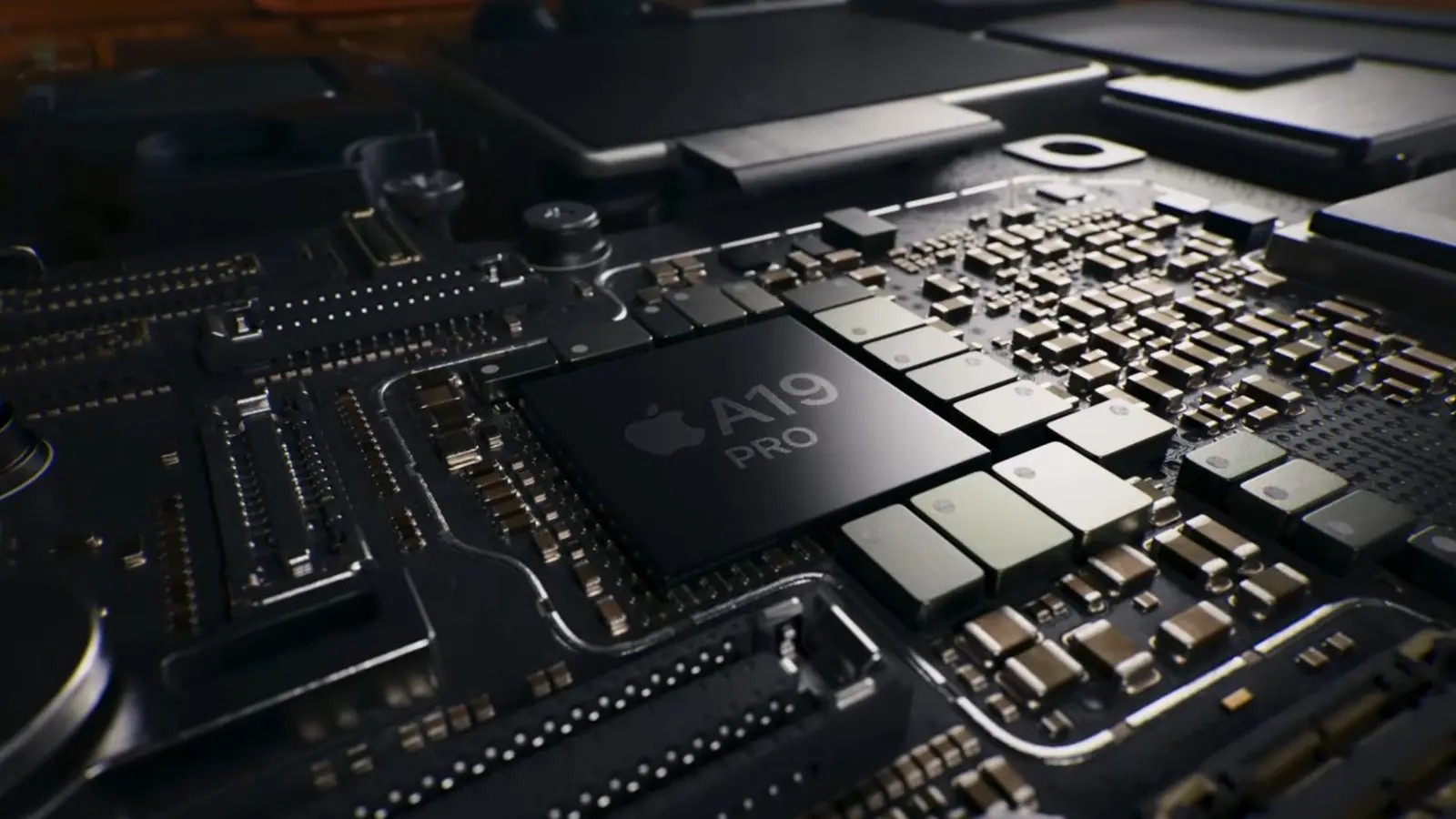
Apple’s newly announced iPhone 17 Pro arrives with notable design refinements and a major silicon upgrade: the A19 Pro. Early Geekbench results show the A19 Pro inside the iPhone 17 Pro posting a single-core score of 3,895 and a multi-core score of 9,746, putting it well ahead of last year’s A18 Pro-equipped iPhone 16 Pro and even edging past Apple’s M4 MacBook Pro in single-core performance.
Benchmark snapshot
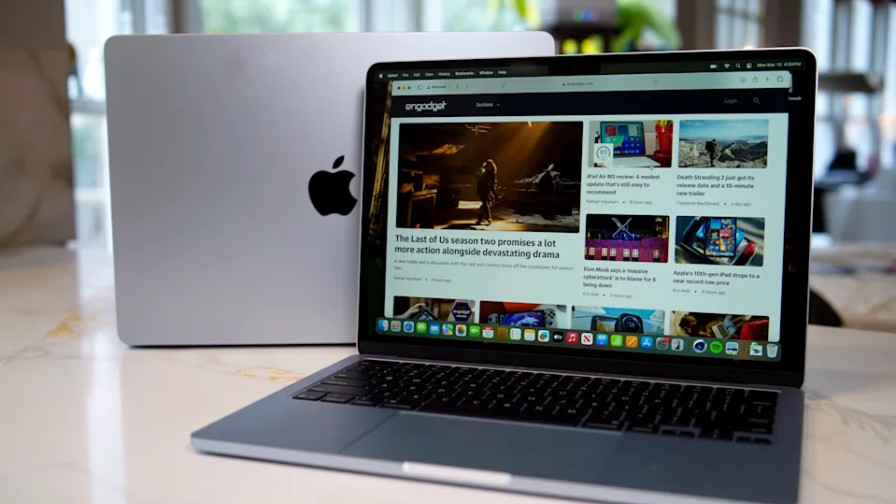
For context, the iPhone 16 Pro averaged about 3,447 single-core and 8,576 multi-core on Geekbench — meaning the A19 Pro delivers roughly a 13% single-core and 14% multi-core uplift. The M4 MacBook Pro posts roughly 3,829 single-core and over 14,000 multi-core, underlining how aggressive Apple has become with mobile silicon: the A19 Pro equals or surpasses laptop single-core throughput while remaining limited by fewer cores and thermal headroom in multi-core tests.
Key features and hardware changes
The iPhone 17 Pro model tested appears as device identifier iPhone18,2 and uses an A19 Pro variant with a 6-core GPU (the iPhone Air variant uses a 5-core GPU). Crucially, Apple introduced a vapor chamber cooling system on the iPhone 17 Pro — a first for iPhone — to improve thermal dissipation and sustain peak performance during prolonged gaming, media encoding, and heavy Apple Intelligence tasks.

Advantages and real-world use cases
Higher single-core performance benefits everyday responsiveness, app launch times, and single-threaded workloads. Multi-core gains accelerate photo and video exports, multitasking, and on-device AI features. The vapor chamber reduces throttling, so benchmark gains are more likely to hold up under sustained loads like extended gameplay, video editing, or running compute-heavy Apple Intelligence features locally.
Comparisons and market relevance
The A19 Pro’s ability to rival an M4 MacBook Pro in single-core tests highlights a growing convergence between flagship smartphones and entry-level laptops. For consumers and pros, this narrows the gap for mobile-first workflows, letting creators edit and export faster on phone hardware that previously required a laptop. However, the M4 still leads in multi-core throughput due to more cores and superior thermals, keeping the MacBook Pro ahead for sustained, parallel workloads.
Should you upgrade?
If your primary use cases involve heavy on-device processing—advanced photography, AI features, extensive gaming, or frequent media exports—the iPhone 17 Pro’s A19 Pro and improved cooling make a compelling upgrade over the iPhone 16 Pro. For users focused on multi-core laptop-class workloads, a MacBook with M4 silicon remains the better choice. We’ll continue testing GPU endurance and real-world thermal behavior to evaluate graphics performance over time.
What this means for Apple silicon
Apple’s A19 Pro benchmarks emphasize the company’s lead in mobile SoC design and the strategic blending of power efficiency with raw performance. Expect future iOS features and Apple Intelligence capabilities to lean on this extra headroom, reshaping what phones can do for creative professionals and power users.
Do you think raw performance alone justifies upgrading from the iPhone 16 Pro? Share your thoughts — this conversation matters for the next generation of mobile computing.





Leave a Comment
Comments
No comments yet. Be the first.