
5 Minutes
What's new in the iPhone 17 camera lineup
Sign in Advertisement Trending: Apple event recap: iPhone 17 and more AirPods Pro 3: Hands-on Apple iPhone 17 event 2025: Live updates iOS 26: Is your iPhone is compatible? Paramount+ deal: One year for $30 MobileSmartphones
The big picture
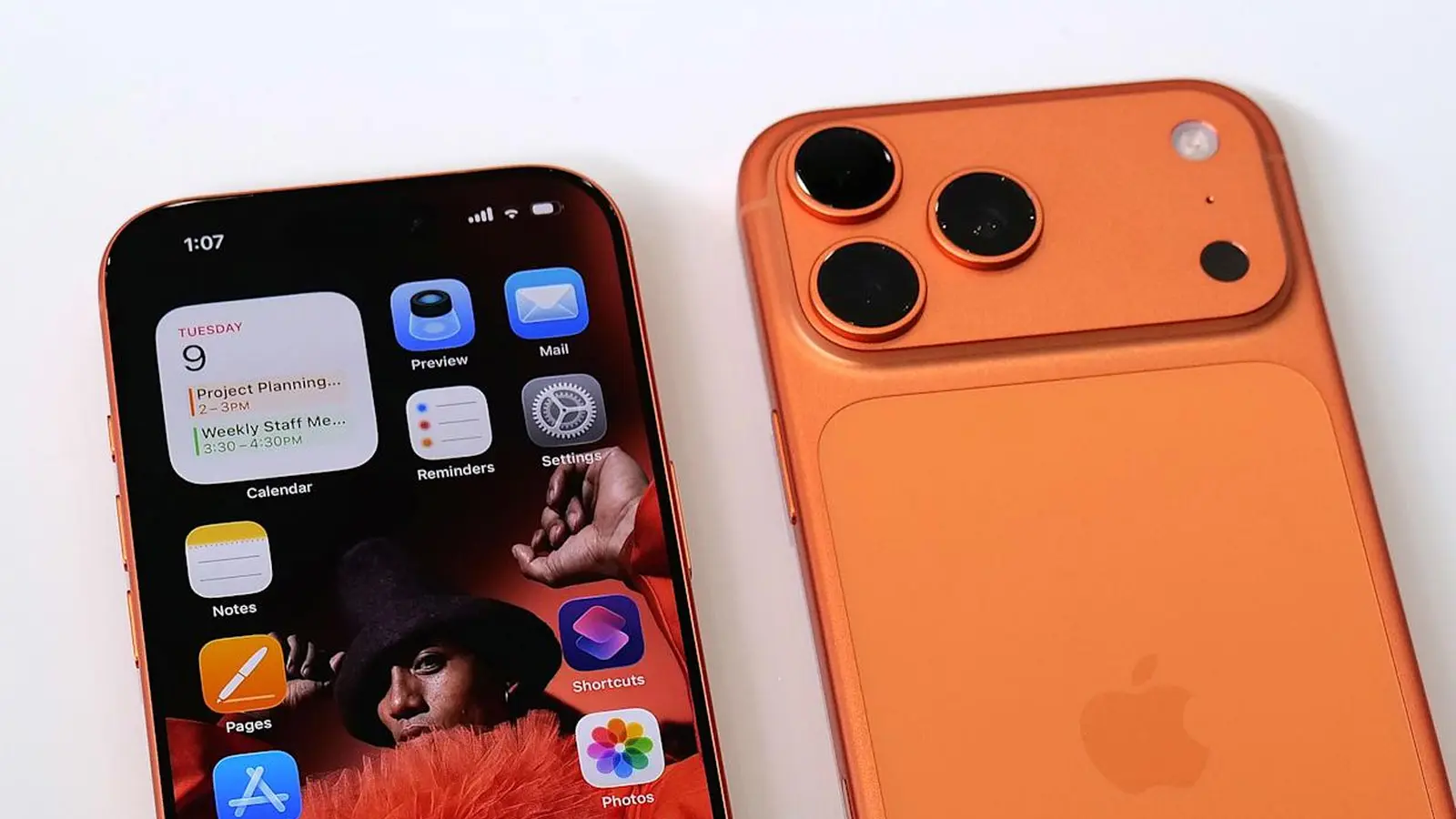
Apple's iPhone 17 family brings a mix of targeted hardware upgrades and pro-level video tools aimed at creators — plus a universally improved front camera that changes how we take selfies and group shots. While the Pro models get the most substantial optical improvements, the base iPhone 17 and the thinner iPhone 17 Air receive meaningful sensor and software updates that improve low-light performance, video capture and computational photography.
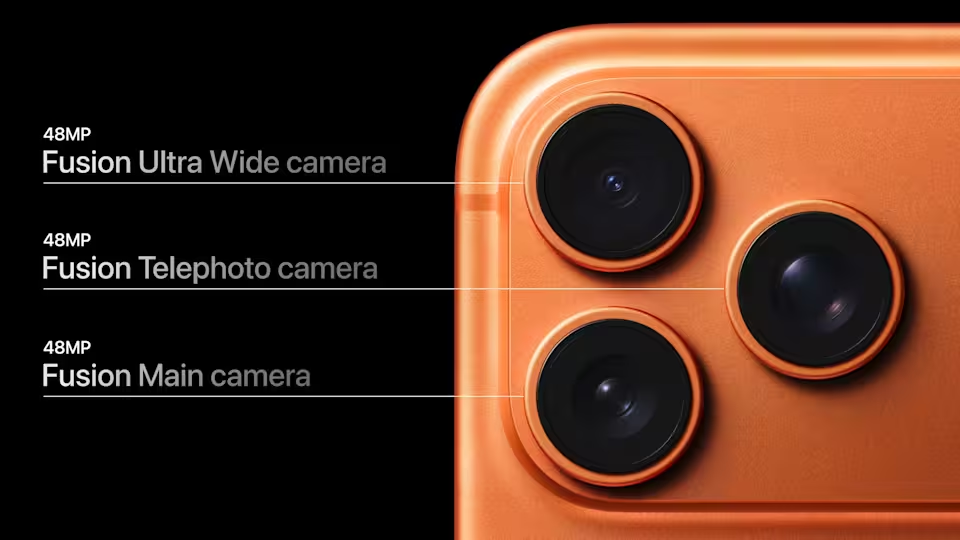
iPhone 17 Pro and Pro Max: Pro-level telephoto and filmmaker features
Key hardware upgrades
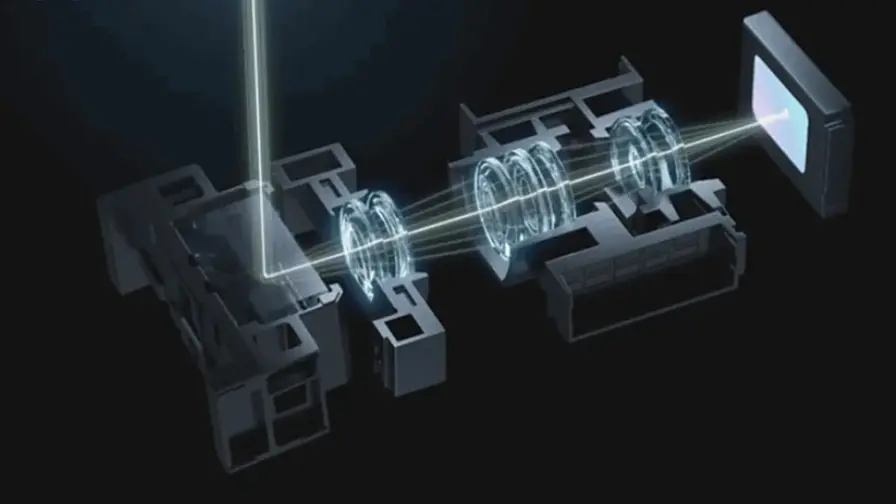
The iPhone 17 Pro and Pro Max make a notable leap in telephoto performance. Apple enlarged the telephoto sensor by roughly 56% and bumped its resolution from 12MP to 48MP, bringing parity across the three Fusion cameras. A new tetraprism lens boosts zoom capability up to an "optical quality" 8x range, though true optical zoom tops out at 4x; the extended 8x employs a high-resolution 12MP crop that preserves detail. The beefier camera plateau on the rear reflects the larger optics and sensor array.
Pro video and content-creator tools
Beyond stills, Apple focused on video: a refreshed Photonic Engine delivers better detail and color fidelity, and the Pro models add ProRes RAW capture and Apple Log 2 for wider dynamic range and simplified color grading. Genlock support improves multi-camera synchronization for shoots using multiple iPhone 17 Pros. Dual Capture enables simultaneous front-and-back recording for vlogs and reaction footage, and the phones still handle 4K up to 120 fps — though 8K recording remains absent.
Front camera overhaul across the lineup: Center Stage gets a resolution boost
Square 18MP sensor and Center Stage expansion
Arguably the most impactful change for everyday users is the new front-facing camera present on all iPhone 17 models: a square 18MP sensor upgraded from 12MP in recent generations. The updated six-element lens improves sharpness and video clarity. The square sensor + Center Stage lets you switch between portrait and wider group framing without rotating the phone — Apple offers a UI toggle to expand field of view and orientation, promoting steadier vertical grips and fewer accidental drops.
Video recording from the front camera is also upgraded: expect ultra-stabilized 4K HDR captures that are markedly better for content creators and video calls. The only ergonomic tradeoff is a smaller preview when held vertically, which can make fine details harder to inspect on-screen.
.webp "iPhone 17 Pro Hands-On: Aluminum Unibody, A19 Pro Power, and a Reimagined Camera System")
iPhone 17 (base): Higher-res ultra wide, but no dedicated telephoto
What changed
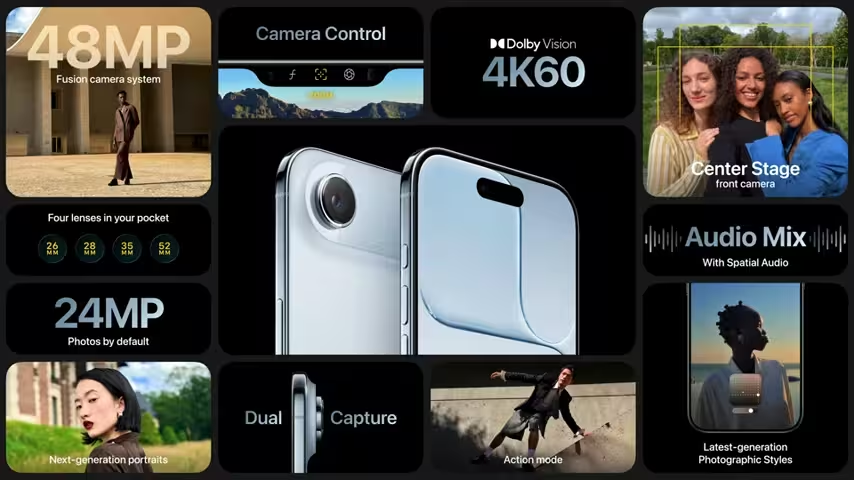
The standard iPhone 17 gets a moderate but useful upgrade: the Fusion Ultra Wide camera now records at 48MP to match the main Fusion sensor, producing more detailed wide shots and cleaner digital crops. It still lacks a dedicated telephoto module, leaving optical zoom at about 2x — less than the 5x optical reach found on competing Pixel 10 and Galaxy S25 base models. However, the extra native resolution helps maintain image quality when zooming digitally.
Video and audio improvements
The base model supports 4K 60 fps Dolby Vision HDR and includes Cinematic and Action modes, Spatial Audio recording and Audio Mix — which emphasizes voices and reduces ambient or wind noise for clearer vlogs and recordings.
iPhone 17 Air: Thin chassis, versatile single-lens system
Design trade-offs and camera capabilities
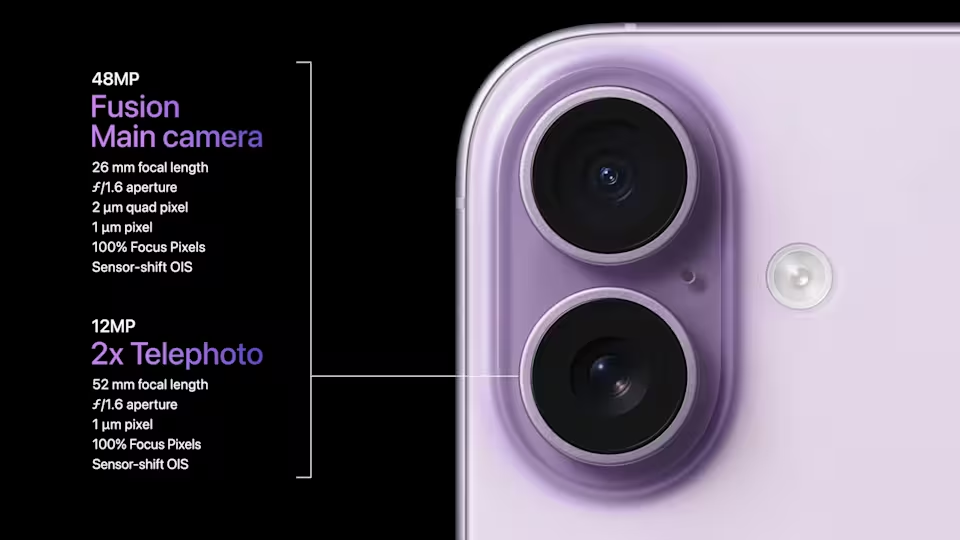
To keep the Air trim, Apple used a single 48MP Fusion Camera with a 2μm quad-pixel sensor tuned for low-light shooting and an "optical-quality" 2x telephoto crop. Apple markets this as offering the flexibility of multiple focal lengths in a slim package, though it remains the most modest photographic performer in the lineup.
Like other iPhone 17 devices, the Air benefits from the Photonic Engine, Bright style skin-tone enhancements, 4K Dolby Vision HDR, Action mode, Spatial Audio capture and Dual Capture functionality. The same 18MP Center Stage front camera appears here, too, giving the Air identical selfie and video conveniences.
Comparisons, use cases and market relevance
For photography enthusiasts and mobile filmmakers, the iPhone 17 Pro and Pro Max are now more compelling: higher-resolution telephoto sensors, improved zoom optics and advanced capture formats reduce the gap between smartphones and dedicated cameras for many workflows. The base iPhone 17 and iPhone 17 Air are strong options for users who prioritize portability or price while still wanting better ultra-wide performance and a far superior selfie camera.
Competitors such as Google’s Pixel 10 and Samsung’s Galaxy S25 still lead in telephoto reach on entry-level variants, so buyers focused on optical zoom should compare models closely. For vloggers, journalists and hybrid creators, new features like Dual Capture, genlock and Apple Log 2 cement the iPhone 17 Pro series as a practical on-the-go production tool.
Bottom line
The iPhone 17 lineup blends incremental sensor upgrades with notable software and video features that benefit both casual users and creators. The universal upgrade to an 18MP Center Stage front camera is a user-facing win, while the Pro models’ telephoto and pro-video enhancements push Apple's smartphones further into professional content creation territory.




Leave a Comment
Comments
No comments yet. Be the first.