

5 Minutes
HMD expands portfolio with Vibe 5G and two affordable featurephones
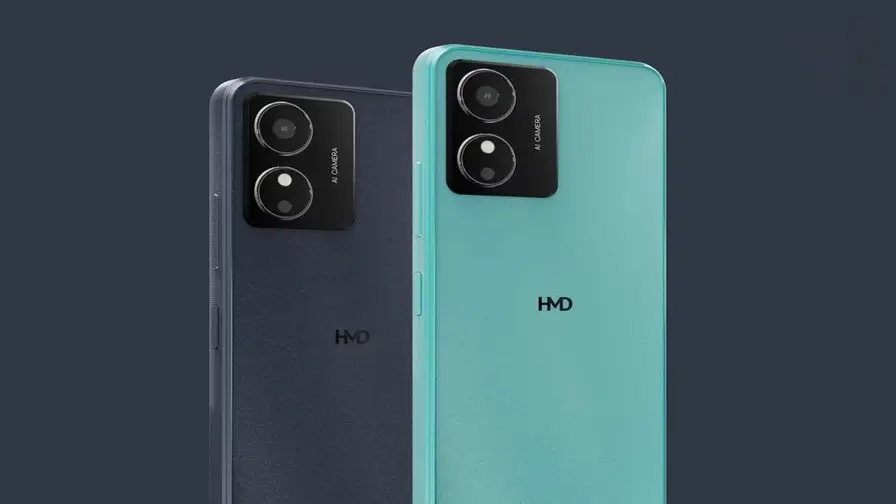
HMD Global has expanded its device lineup with the introduction of the HMD Vibe 5G, a budget-friendly 5G smartphone, alongside two simple, durable featurephones. The new releases target value-conscious buyers who want essential connectivity — from affordable 5G performance to long-lasting, no-frills mobile basics. Below we break down specifications, pricing, design choices, and the market relevance of each model.
HMD Vibe 5G: Key specifications and design highlights
The HMD Vibe 5G positions itself as an entry-level 5G handset focused on battery life, a large display and practical everyday features. Core hardware and software highlights include:
Display and performance
The Vibe 5G sports a 6.67-inch LCD panel with a 720 x 1604 resolution and a 90Hz refresh rate, giving a smoother visual experience than many sub‑INR 10,000 phones. Under the hood is the Unisoc T760 chipset, paired with 4GB of RAM and 128GB of onboard storage, offering balanced multitasking for common apps, light gaming and media playback. Dual-SIM capability is available for users who need two numbers.
Cameras and imaging
Imaging on the Vibe 5G centers around a 50MP primary rear sensor supported by a 2MP depth module for portrait shots, while an 8MP front-facing camera serves selfies and video calls. The camera setup is tuned for daytime performance and social media-ready photos rather than heavy computational photography.

Battery, charging and audio
Battery life is a focal point: a 5,000 mAh battery backs the device and supports 18W wired charging. HMD also includes stereo speakers and retains a 3.5mm headphone jack — features often sought by budget buyers. A side-mounted fingerprint scanner provides biometric security, and a charger is included in the retail box.
Software and updates
The Vibe 5G ships with Android 15 and HMD has committed to two years of quarterly security updates, which is a meaningful promise at this price point for users who prioritize long-term device maintenance and security patches.

HMD 101 and HMD 102: Featurephone duo for basic connectivity
Alongside the Vibe 5G, HMD introduced two near-identical featurephones designed for offline essentials, extended standby times and durability. The two models share the same core hardware and software experience, with a single notable camera difference between them.

Shared featurephone specifications
- Display: 2.0-inch screen with 240 x 320 (QVGA) resolution
- Processor: Unisoc 8910 FF-S, optimized for low-power tasks
- Storage: 16MB internal storage expandable via microSD (supports basic cloud/utility apps)
- Multimedia: FM radio and MP3 player for offline entertainment
- Connectivity: Bluetooth, USB-C, 3.5mm headphone jack
- Durability: IP52 dust and splash resistance
- Battery: 1,000 mAh removable battery for easy swaps and long standby
Differences: HMD 101 vs HMD 102

The HMD 101 and 102 are largely identical, except the HMD 102 includes a QVGA rear camera with flash, which the HMD 101 lacks. Both models emphasize simplicity, long battery life and dependable physical controls for users who prefer tactile keypads and extended autonomy.
Pricing, colors and availability
HMD has priced these devices competitively for price-sensitive markets. The Vibe 5G is listed on HMD’s website in black and purple at INR 8,999 — discounted from a listed MRP of INR 11,999 at launch. The HMD 101 is positioned as a pocket-friendly option at INR 1,899 and comes in dark blue, red and blue. The camera-equipped HMD 102 is priced at INR 2,199 and is offered in dark blue, red and purple.
Comparison: Vibe 5G vs other budget 5G phones
When compared to competing budget 5G devices, the HMD Vibe 5G stands out for its combination of Android 15 on a low-cost handset, a large 5,000 mAh battery, and stereo audio with a headphone jack. The Unisoc T760 is a capable mid-range chipset for everyday tasks, though it won’t match premium Snapdragon or MediaTek flagship performance. The Vibe’s 90Hz display and included charger add value against rivals that may skimp on accessories or refresh rate.
Advantages and potential drawbacks
Advantages
- Affordable 5G connectivity with a large battery — strong value proposition for low-cost 5G adoption.
- Android 15 with security update commitment improves device longevity and security posture.
- Practical features such as stereo speakers, 3.5mm jack, side fingerprint sensor and dual-SIM flexibility.
- Featurephones offer durable, simple alternatives for minimalists or as backup devices.
Potential drawbacks
- 720p display resolution on a 6.67-inch screen may appear soft compared with FHD panels.
- Camera system is basic and targeted at casual photography rather than advanced imaging.
- Limited RAM (4GB) may constrain heavier multitasking or demanding applications.
Use cases and target audiences
The HMD Vibe 5G is aimed at users who want affordable 5G access without sacrificing battery life, a modern OS, and essential features such as stereo sound and a headphone jack. It’s a pragmatic choice for students, entry-level smartphone buyers, or as a secondary device.
The HMD 101 and 102 are ideal for seniors, children, or anyone seeking a reliable, low-cost phone for calls, texting, FM radio and basic media playback. The removable battery is especially useful in regions with limited power access, while the IP52 rating provides everyday resilience against dust and splashes.
Market relevance and strategic positioning
HMD’s new devices reflect a two-pronged market strategy: capture budget-conscious smartphone buyers migrating to 5G, while continuing to serve a stable niche for basic featurephones. By offering Android 15 and a clear update policy on a low-cost handset, HMD reinforces trust in software maintenance — a differentiator in developing markets where longevity and security matter. The featurephones help HMD maintain a foothold among customers who still prioritize battery life, physical keys and simplicity.
Final thoughts
With the Vibe 5G, HMD brings competitive value to the budget 5G segment — emphasizing battery capacity, modern software and basic multimedia features. The HMD 101 and 102 complement this with durable, practical featurephones that answer real-world use cases. For global and regional markets driven by price-performance, these launches underscore HMD’s intent to serve both ends of the connectivity spectrum.




Leave a Comment
Comments
No comments yet. Be the first.