

4 Minutes
A Deliberate Jump
Xiaomi surprised the mobile world by skipping an entire generation in its naming and launching the Xiaomi 17 series. That move isn’t merely marketing theatrics — it’s a strategic statement. Xiaomi’s leadership has signaled that the 17 family is intended to compete directly with Apple’s iPhone line, reflecting years of heavy investment in R&D, custom silicon, camera systems, and software integration.
Three Models, One Ambition
The Xiaomi 17 lineup arrives in three flavors: Xiaomi 17, 17 Pro, and 17 Pro Max. The tiered naming mirrors the industry’s premium trinity and invites direct comparisons with Apple’s own standard, Pro, and Max tiers. By aligning product tiers and messaging, Xiaomi wants buyers — globally — to evaluate performance, camera quality, and ecosystem benefits against flagship alternatives rather than relegating Xiaomi to the “value flagship” bucket.
What’s New: Features and Hardware Highlights
Custom Silicon and Performance
At the heart of the 17 series is a new generation of Xiaomi-developed and partner-optimized silicon. After several years of channeling R&D funds into chip design, the company showcases tighter hardware-software integration intended to deliver sustained CPU/GPU performance, improved power efficiency, and better thermal control — crucial for gaming and heavy multitasking. Expect flagship-class benchmarks, low-latency responsiveness, and refined AI processing that benefits camera algorithms and on-device features.
Display and Design
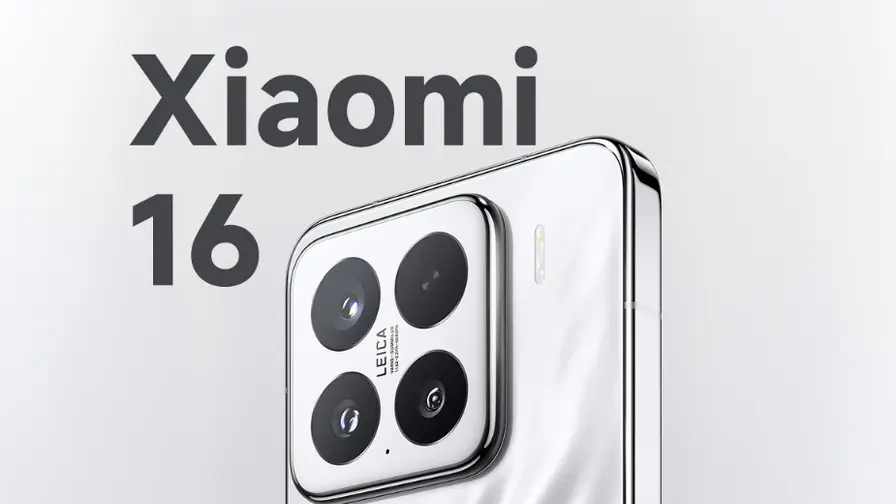
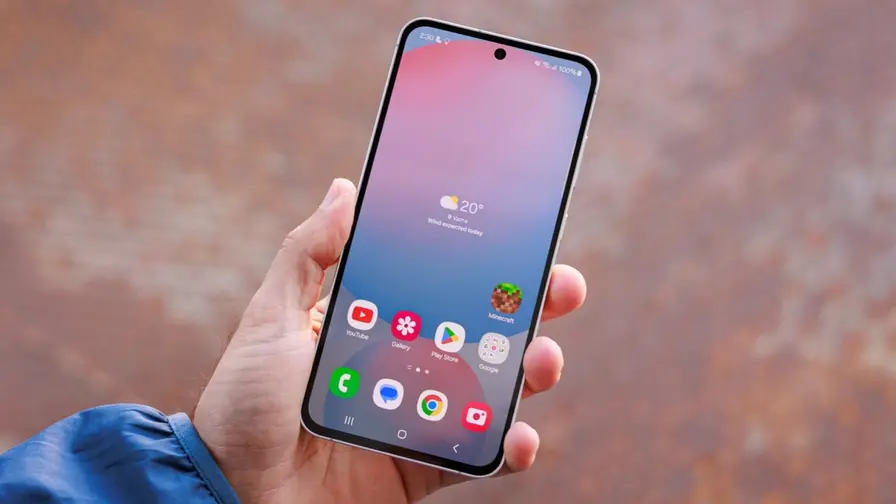
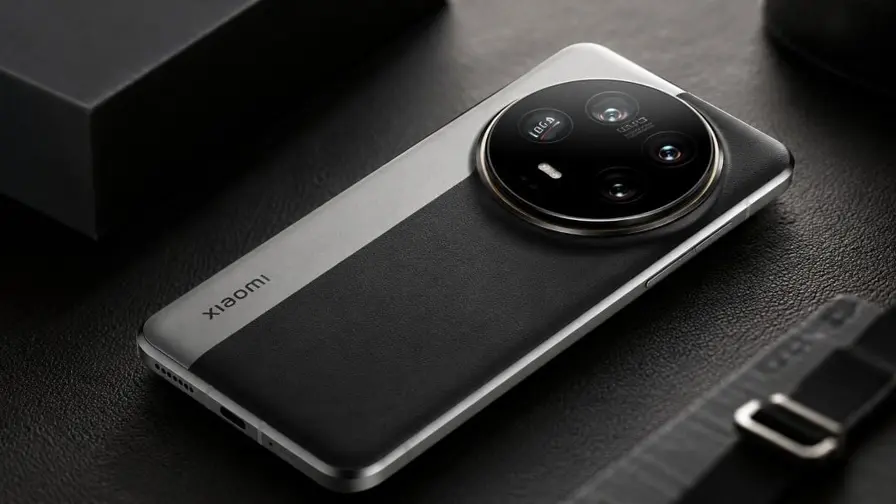
Images and early teasers emphasize premium build materials and a minimalist aesthetic. The displays are expected to be high-refresh OLED panels with adaptive refresh rates, advanced color calibration, and high peak brightness for HDR content. The design language — clean lines and premium finishes — and careful packaging suggest Xiaomi is trying to deliver not just specifications but a tactile luxury experience.

Camera System
Camera improvements were a core focus across the lineup: larger sensors, smarter multi-frame processing, and enhanced optical stabilization. Xiaomi’s in-house imaging pipelines, combined with AI-driven post-processing, aim to close the gap with top-tier competitors in dynamic range, low-light performance, and portrait accuracy.
Battery, Charging and Connectivity

Battery life improvements leverage both hardware efficiency and software optimizations. Expect fast wired and wireless charging options, smarter battery management, and comprehensive 5G band support to suit global markets. These are practical advantages for power users, travelers, and content creators.
Software: Surge OS and Ecosystem Play
One of Xiaomi’s most strategic pushes is software: Surge OS. This custom operating system emphasizes seamless integration across Xiaomi devices — phones, wearables, tablets, and smart home products. The goal is familiar: cultivate a vertically integrated user experience where OS-level features, cloud services, and device-to-device continuity create a stickier ecosystem, closer to what Apple offers with iOS and macOS.

Comparisons: How the Xiaomi 17 Stacks Up
Comparing the Xiaomi 17 series to the iPhone is inevitable. On paper, Xiaomi competes on raw hardware spec, camera features, fast charging, display tech, and often price. Where Apple historically wins is long-term software support, app optimization, and ecosystem cohesion. Xiaomi’s counter is its own dedicated OS, sustained chipset development, and aggressive hardware innovation — all designed to narrow those gaps.
Advantages for Users
- High performance for gaming and multitasking thanks to optimized silicon and thermal design.
- Improved photography capabilities with computational imaging and larger sensors.
- Faster charging and strong battery management for heavy daily use.
- Competitive pricing versus other flagship models, offering value for premium hardware.
- Ecosystem benefits via Surge OS and better integration with Xiaomi devices.
Typical Use Cases
The Xiaomi 17 series is positioned for a range of demanding users: mobile photographers who rely on computational imaging, gamers who need sustained frame rates, productivity users who want smooth multitasking and cloud continuity, and consumers who appreciate premium design without the absolute high-end price premium. Developers and hardware partners will also be watching to see how Xiaomi’s silicon and OS enable new on-device AI and app experiences.
Market Relevance: Why This Matters
Skipping a generation in naming is more than symbolism; it’s a repositioning. Xiaomi no longer wants to be seen primarily as a maker of high-spec bargains. This deliberate move signals an intent to sit at the premium table and challenge incumbents like Apple and Samsung. For consumers, that expands real choices at the top end of the market. For the industry, it intensifies innovation pressure: better cameras, tighter hardware-software integration, and more aggressive R&D investments.
What to Watch Next
The next months will reveal whether the Xiaomi 17 series fulfills its ambition. Independent benchmarks, camera shootouts, long-term battery tests, and software update commitments will determine if Xiaomi has truly closed the experience gap with the iPhone or merely narrowed it on paper. Regardless, the 17 launch is a clear signal: Xiaomi is escalating the flagship race, and competition at the top tier just got fiercer.
Keywords seamlessly integrated across this coverage include: Xiaomi 17, flagship smartphone, Surge OS, custom chipset, computational photography, OLED display, fast charging, 5G, and premium Android experience.





Leave a Comment
Comments
No comments yet. Be the first.