
3 Minutes
Samsung maps the rise of Galaxy AI
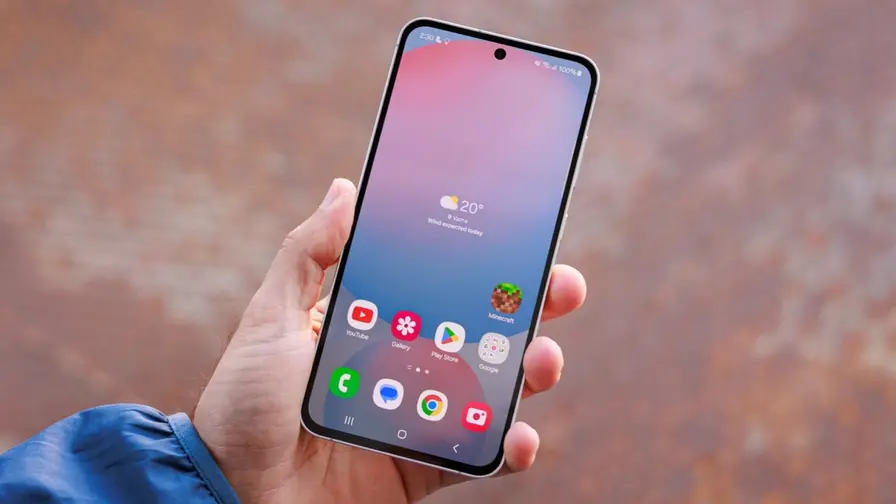
Samsung has published an infographic that charts the company’s fast-moving journey from the Galaxy S24 series — billed as the world’s first AI phones — to the latest multimodal capabilities in its foldable lineup and wearable ecosystem. In under two years the firm has layered real-time translation, writing assistance, app-aware AI agents, and live multimodal interactions into One UI, expanding how people use smartphones, watches and laptops.
Key product features introduced so far
Real-time translation and Interpreter
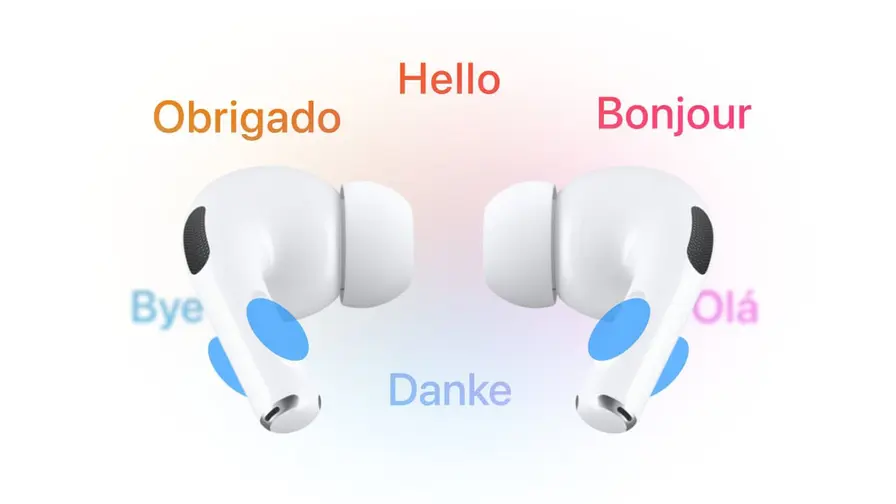
The Galaxy S24 launched with two-way, real-time translation across multiple languages. Foldable models such as the Galaxy Z Fold6 and Z Flip6 took advantage of dual displays to present each language on its own screen, making live conversations smoother. Language support expanded over time, growing from 13 initial languages to over 20 by late 2024 and beyond.
Writing assistance and Circle to Search
Writing tools on Galaxy AI include grammar correction, style suggestions, summarization and transcription. Samsung also integrated Google’s Circle to Search to streamline information gathering directly from the screen, accelerating content workflows for mobile users.
Multimodal AI, AI agents and Gemini Live
In 2025 Samsung advanced to multimodal AI: models that interpret text, images, audio and video simultaneously. The platform now supports AI agents that can act across apps, plus Gemini Live integration, enabling natural conversations about what the device camera sees and even sharing screen content for collaborative assistance.
Comparisons and advantages
Compared with the initial S24 release, the newer One UI on the Galaxy Z Fold7 and Z Flip7 improves on-context understanding and cross-application workflows. Advantages include faster, more intuitive translation, tighter integration with Google and Qualcomm for better performance, and expanded functionality across wearables and laptops. Bixby enhancements via partnerships aim to close the gap with other assistant ecosystems by leveraging on-device and cloud AI.
Use cases and market relevance
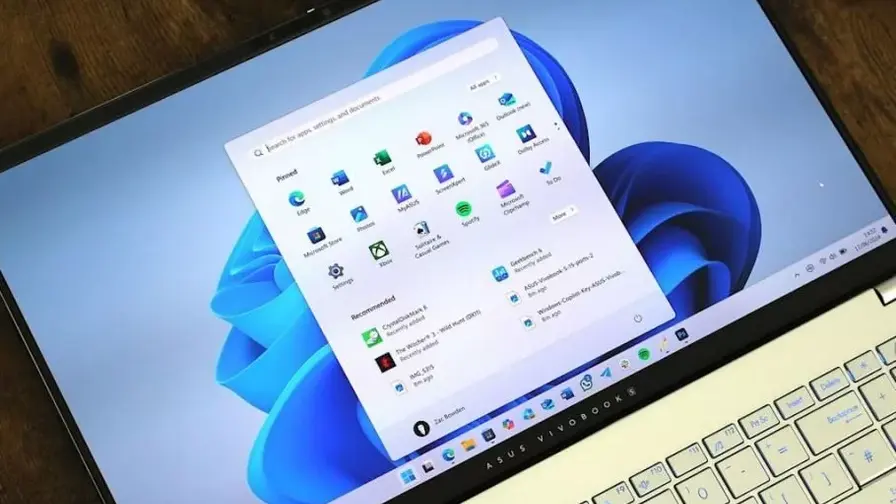
Practical use cases span travel and enterprise: live translation for international meetings, multimodal content creation for journalists and creators, productivity boosts through AI agents that automate routine app tasks, and enhanced health and notifications on Galaxy Watch devices running One UI 6 Watch. Galaxy Book laptops have also adopted these AI features, positioning Samsung to deliver a unified AI experience across devices.
Why it matters
Samsung’s concentrated push into Galaxy AI demonstrates how OEMs can accelerate AI adoption by integrating multimodal models, device-level AI agents and cross-partnership optimizations. For consumers and businesses, this translates to more natural interactions, improved productivity, and a broader, connected AI ecosystem that spans phones, foldables, wearables and PCs. Check the company’s infographic for a detailed timeline of these developments.







Leave a Comment
Comments
No comments yet. Be the first.