
5 Minutes
Samsung’s Bold Response to the Foldable Race
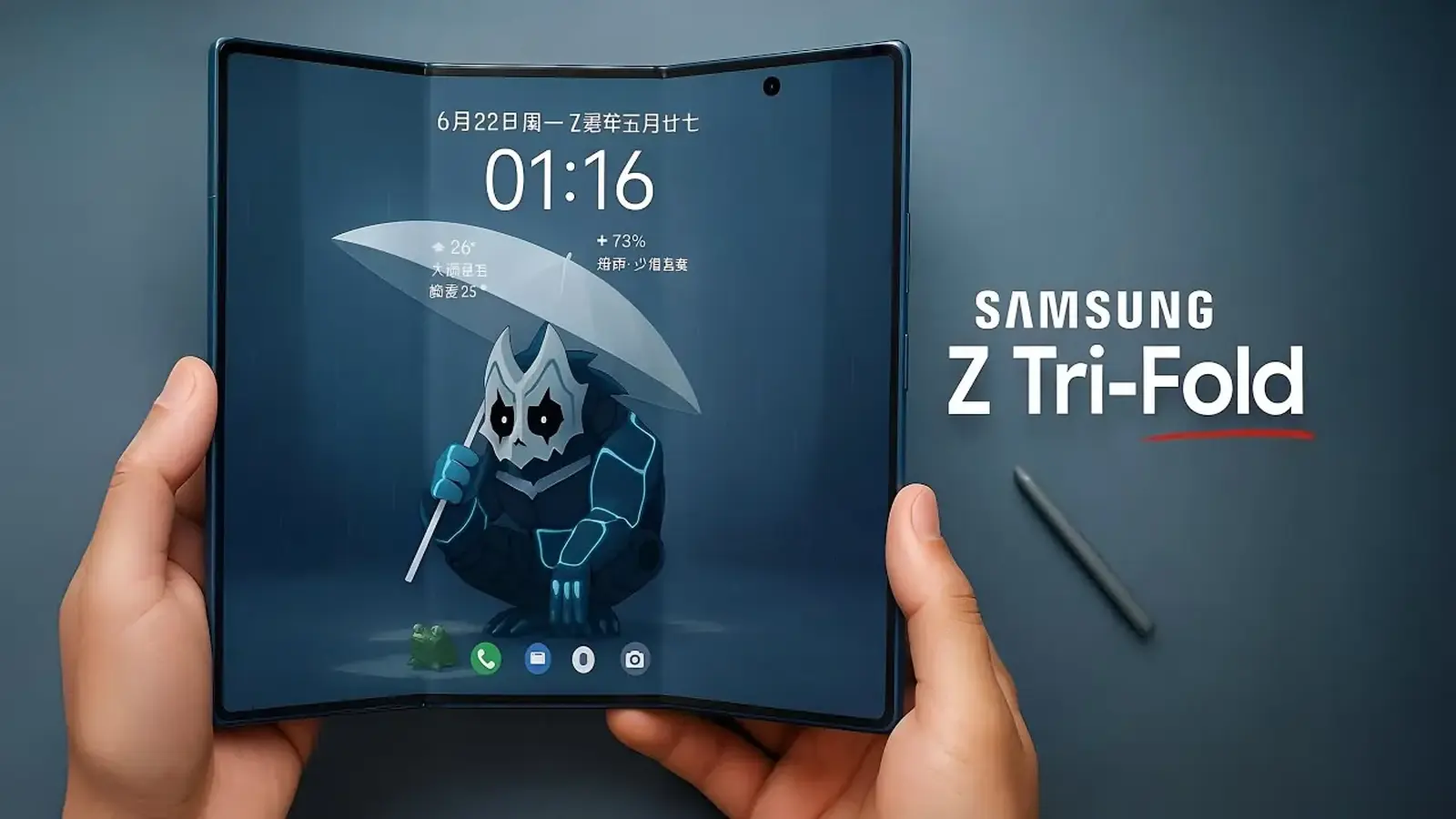
After the commercial and critical success of the Galaxy Z Fold 7, Samsung appears to be ramping up its strategy to defend and extend its leadership in foldable smartphones. The rumored Galaxy Z TriFold—a three-panel foldable device—seems less like a mere product launch and more like a statement of intent: to create a category Samsung can claim before Apple’s first foldable iPhone arrives. With industry buzz about a limited initial run, the TriFold will likely serve as both a technology demonstrator and a strategic deterrent.
What the Galaxy Z TriFold Could Bring: Key Features and Hardware Expectations
While Samsung has not confirmed full specifications, industry leaks and analyst commentary point to several defining attributes for the TriFold. Expect a larger, tablet-like display when fully unfolded, refined hinge engineering to manage the extra folding point, and a continued emphasis on thinness and light weight—hallmarks of Samsung’s recent foldable efforts.
Display and Design
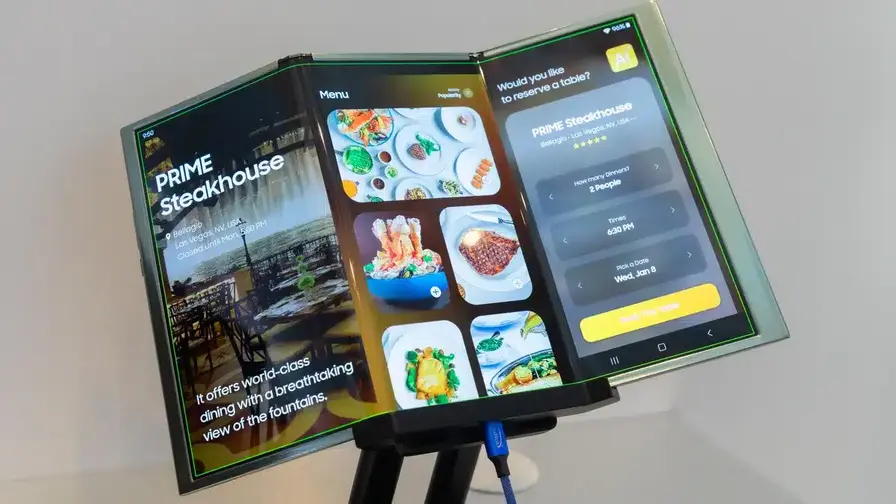
The tri-fold form factor promises an expansive canvas ideal for multitasking, split-view apps, and immersive media consumption. Samsung’s experience with the Z Fold series suggests it will prioritize a near-seamless screen experience with minimal creasing and color accuracy suitable for creators and professionals.
Durability and Hinge Technology
Hinge durability will be central to credibility: a trifold hinge must address more complex mechanical stresses than a two-panel foldable. Samsung’s investments in hinge engineering and materials—plus reinforced folding layers—will be crucial to user confidence and long-term reliability.
.avif)
Performance and Accessories
Expect flagship-grade internals comparable to the Galaxy Z Fold 7: top-tier SoC, advanced camera modules, and robust battery optimization. Samsung could also push software optimizations for multi-window workflows and consider accessory support such as S Pen compatibility or new productivity tools tailored to the tri-fold experience.
Comparisons: TriFold vs. Galaxy Z Fold 7 and the Incoming Foldable iPhone
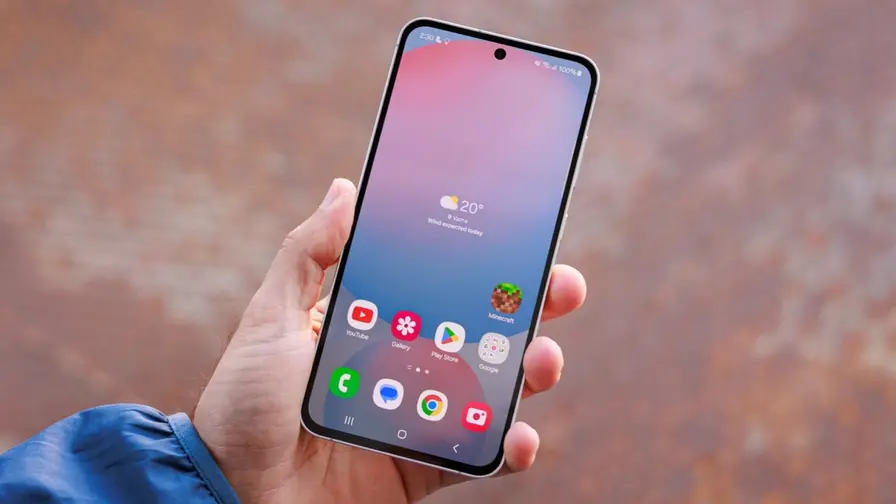
Comparing the TriFold to the established Galaxy Z Fold 7 and the anticipated foldable iPhone frames Samsung’s motive. The Z Fold 7 set a high bar: it’s one of the thinnest and lightest foldables with mainstream flagship performance. A TriFold expands on that by offering a larger uninterrupted workspace—something a two-panel foldable cannot match.

Against the rumored foldable iPhone, Samsung’s advantage is timing and product diversity. Apple’s marketing and ecosystem will inevitably generate significant hype for its first foldable device, but Samsung’s trifold could shift perception by demonstrating a more advanced or varied foldable experience before Apple reaches that milestone. Even if the first foldable iPhone competes on polish and ecosystem cohesion, the TriFold would spotlight Samsung’s continued innovation at the frontier of foldable hardware.
Advantages and Strategic Rationale
Samsung’s move toward a TriFold serves several strategic goals. First, it reinforces deterrence—signaling to competitors and consumers that Samsung will push beyond conventional foldable designs. Second, a limited initial release allows Samsung to gather real-world feedback and manage supply-chain complexity while creating scarcity-driven demand. Third, the TriFold differentiates Samsung’s portfolio: offering consumers a choice between clamshells, two-panel folds, and now triple-panel devices.
From a marketing perspective, the TriFold flips the narrative that Apple sets the pace. By launching a product category Apple hasn’t publicly delivered, Samsung can frame itself as the innovator and encourage Apple fans to consider an alternative foldable experience today.
Use Cases: Who Benefits from a Tri-Fold Smartphone?
The TriFold targets users who need a portable device that transitions into a near-tablet. Ideal audiences include multitasking professionals who run multiple apps side-by-side, content creators who benefit from a larger editing surface, and power users who want an immersive display for gaming and streaming. The tri-fold form factor also opens opportunities for novel productivity apps, split-screen workflows, and hardware-driven creative tools that take advantage of an expanded canvas.
Market Relevance and Launch Strategy
Reports suggest Samsung may launch the Galaxy Z TriFold before year-end in a constrained run—potentially around 100,000 units across selected markets. That approach reduces inventory risk while generating press and consumer interest. A limited release can also act as a market probe to refine manufacturing processes and software for a global rollout next year. If executed well, this phased strategy both steals the spotlight from Apple’s debut and establishes Samsung’s tri-fold narrative early.
Risks and Considerations
Despite its promise, the TriFold faces challenges: higher manufacturing complexity, a premium price point, and software adaptation to three-panel workflows. Convincing mainstream buyers will require clear, tangible benefits over two-panel foldables. Samsung must also ensure robust hinge longevity and deliver compelling software features that justify the form factor.
Conclusion: More Than a Gimmick—A Strategic Play
The Galaxy Z TriFold, if it arrives as expected, is less about one device and more about market positioning. It’s Samsung’s attempt to maintain leadership in foldable smartphone innovation, to create a product Apple cannot match immediately, and to show that foldable tech can evolve beyond the familiar. Whether the TriFold becomes a mainstream category or remains a premium niche will depend on execution—design, durability, software, and pricing—but strategically, it’s a calculated move to shape perceptions and set the agenda for the next phase of foldable smartphones.







Leave a Comment
Comments
No comments yet. Be the first.