
2 Minutes
Why you might skip a case on the iPhone Air
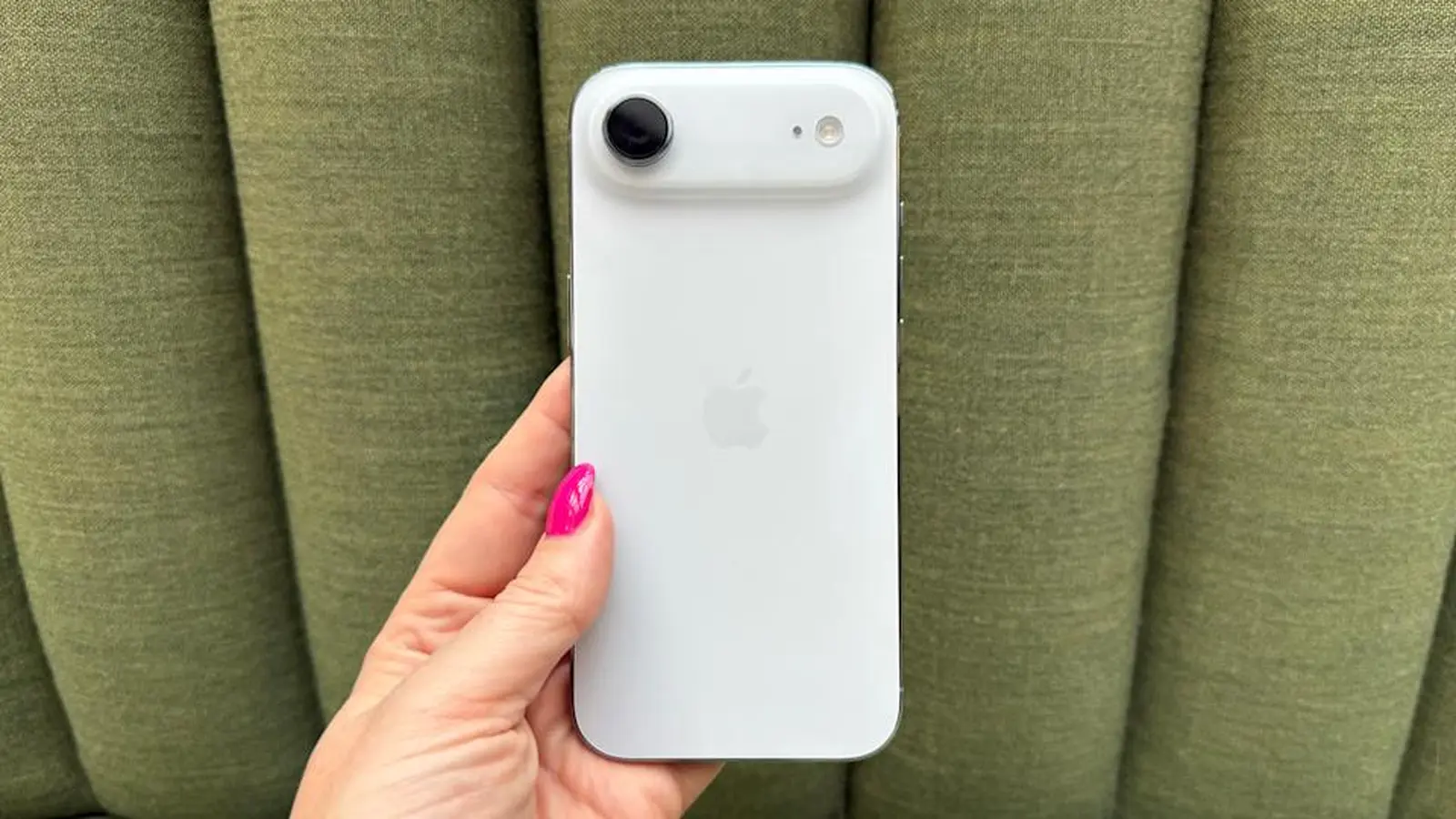
The iPhone Air represents one of Apple's most deliberate moves toward ultra-light, razor-thin smartphone design. Its combination of a titanium frame and the latest Ceramic Shield 2 glass aims to balance premium feel with improved durability. That raises a practical question for many buyers: does a protective case still make sense when the device is engineered to be both elegant and resilient?
Built-in protection: materials matter
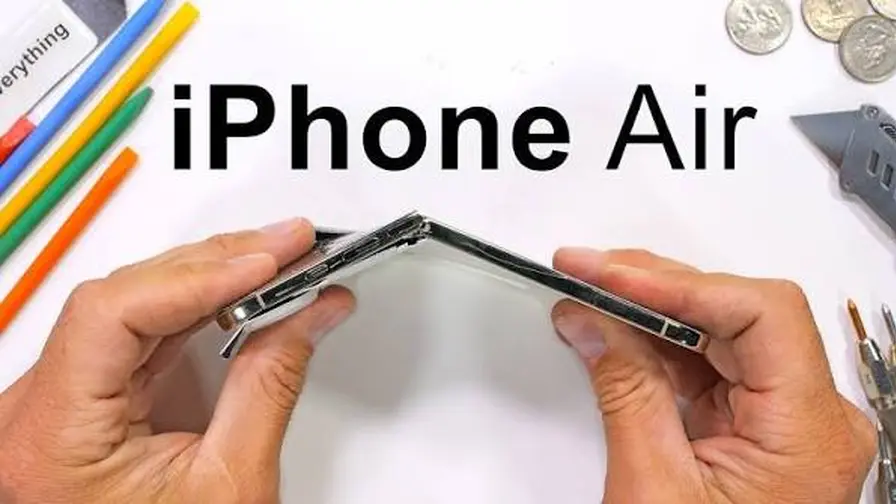
Apple fitted the iPhone Air with reinforced glass on both faces and a titanium alloy chassis, which together improve scratch resistance, reduce glare and help resist bending. Independent durability reviewers have highlighted that modern slim phones can withstand everyday stress far better than early thin models did. While no phone is impervious to drops or severe impacts, the Air's materials are intentionally chosen to reduce common wear without adding bulk.
What you gain — and what you lose
Using the iPhone Air without a case preserves the device's tactile experience: its thin profile, low weight and premium finish. A case can add grip and impact protection, but it also alters the handset's ergonomics and conceals design elements Apple highlighted in marketing and hardware choices.
Consider these trade-offs:
- Protection vs. aesthetics: a case reduces cosmetic scratches but hides the titanium frame and thin silhouette.
- Weight vs. peace of mind: cases add grams; AppleCare or careful handling add confidence.
- Resale value: minor surface wear can affect value, but many buyers prioritize condition over original look.
.avif)
Where a case still makes sense
Cases remain sensible for certain users:
- People with jobs or hobbies that expose the phone to frequent drops or harsh environments.
- Users who want additional grip or special features (wallet, kickstand, MagSafe accessories).
- Those who prefer maximum scratch and corner protection to preserve resale value.
'A case is a practical choice for some, but not an automatic one for everyone,' says a measured view of the device's design intent.
Bottom line
For buyers who prioritized the iPhone Air's low weight and premium hand feel, going case-free is a defensible option when paired with careful use and optional AppleCare coverage. For others, especially those seeking maximum impact protection, a slim, purpose-built case remains a reasonable compromise. Ultimately, the decision depends on your priorities: pure form and feel, or added protection and longevity.






Leave a Comment
Comments
No comments yet. Be the first.