
2 Minutes
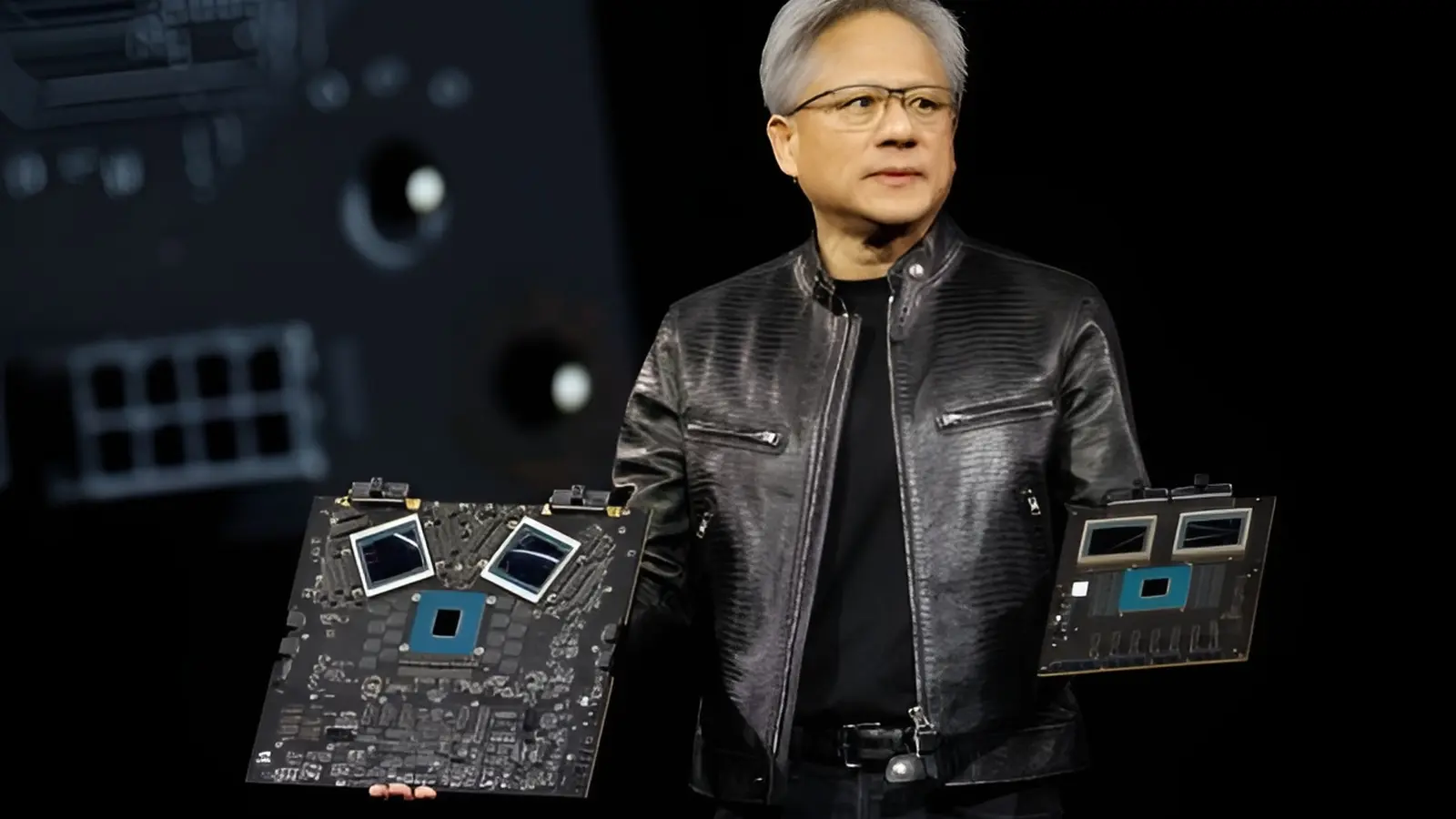
NVIDIA has quietly started laying the groundwork for its next-generation GPUs. Recent Nova driver patches show the company shifting from the longstanding Boot0 register to a new Boot42 identifier — a change that points to the Rubin server architecture and a bigger modernization push for Linux graphics.
Why Boot42 matters for GPUs and Linux
For years NVIDIA used the NV_PMC_BOOT_0 register to identify GPU architectures and revisions. The new Nova driver updates replace that logic with NV_PMC_BOOT_42, effectively zeroing out Boot0 for future chips. That may sound like a small internal tweak, but it streamlines detection logic and makes the driver code cleaner and more forward-compatible.
Linux enthusiasts have long pressed for stronger upstream engagement from NVIDIA. These patches, written as part of the open-source Nova driver effort and developed in Rust, show tangible progress: simpler selection logic, fewer lines of legacy code, and clearer paths for future GPUs such as Rubin.
What the Nova patches reveal
- Boot0 is being deprecated and will be zeroed out for upcoming GPUs.
- NV_PMC_BOOT_42 becomes the canonical register used by Nova to identify architectures and revisions.
- Driver selection logic updated so Nova will correctly claim Turing and later GPUs without further patching.
- The change removes roughly 33 lines of code, improving readability and maintainability.
- Nova development is moving forward in Rust, signaling a modern approach to driver engineering.
Rubin on the horizon — what to expect
These changes line up with previous reporting that Rubin is NVIDIA's next server-grade architecture. Rubin volume production has reportedly been scheduled for the second half of 2026. There are even hints that Rubin Ultra may adopt microchannel cover plates for better thermal performance — a detail that matters for hyperscale datacenters and OEM cooling designs.
So, what does this mean for users and partners?
For Linux users and kernel developers, Boot42 simplifies how future GPUs are identified and supported, reducing the need for ad hoc patches. For NVIDIA partners and board manufacturers, the Rubin cues — plus potential cooling changes — mean planning for new SKUs and thermal solutions. And for data center customers, Rubin could bring incremental performance and efficiency gains backed by a cleaner, more maintainable upstream driver stack.
In short, the Boot42 shift is less about a single register and more about signaling a modern, upstream-friendly approach to GPU support that prepares NVIDIA's stack for Rubin and beyond.








.webp "Redmi 17C 5G: 6.9-inch Screen and 6,000mAh Power Lands")
Leave a Comment
Comments
No comments yet. Be the first.