
4 Minutes
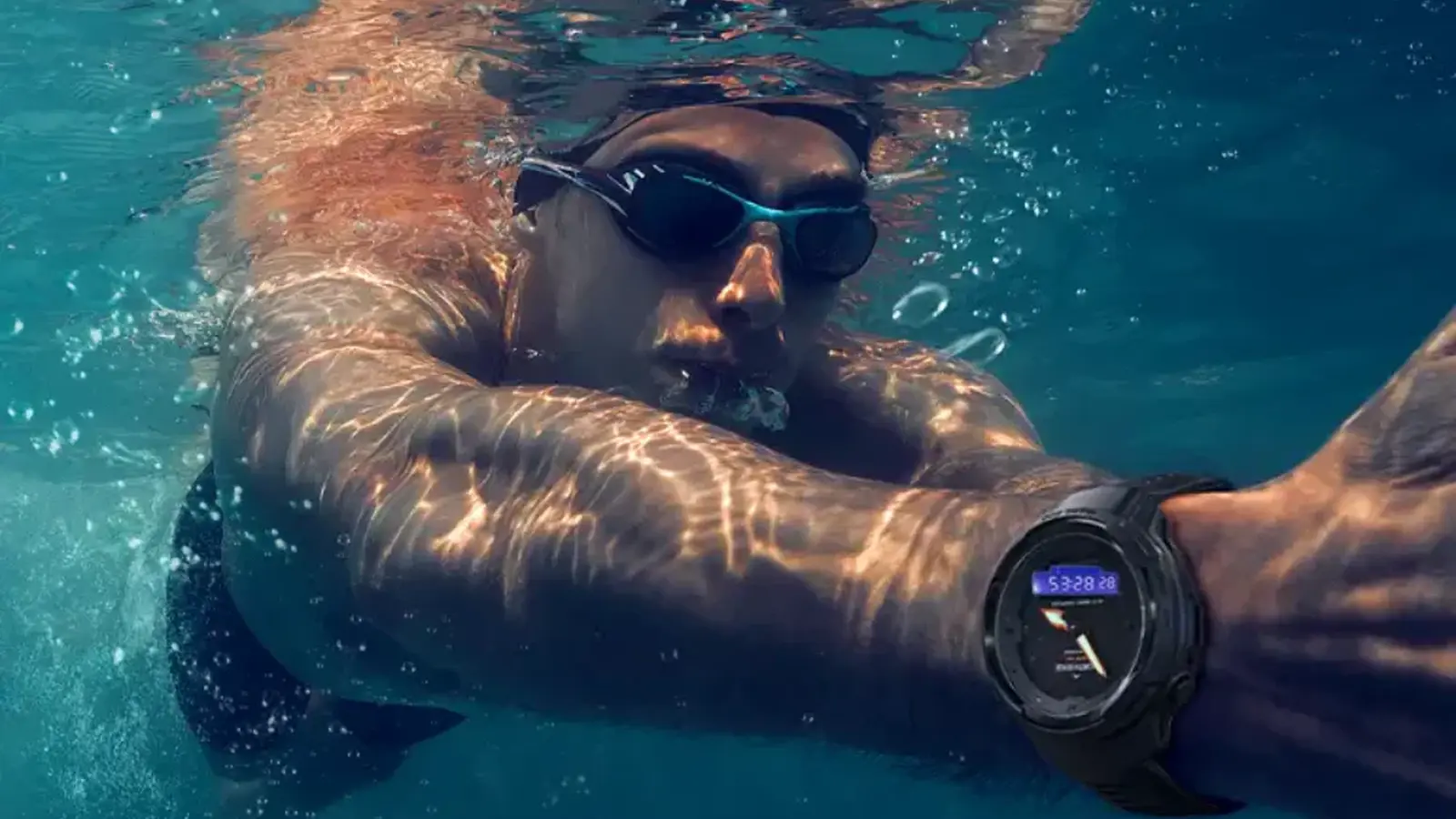
That "water-resistant" label on your smartwatch can be dangerously reassuring. A watch may track laps, survive handwashing, and even offer a swim mode, yet still fail the moment it faces salt water, age, or repeated exposure to the real world. That gap between marketing and reality is where many owners get caught off guard.
The confusion usually starts with a simple assumption: if a smartwatch can handle the shower or the pool, it must be waterproof. It is not. In fact, smartwatch makers are careful with that word. They almost never promise a device is waterproof. What they offer instead are technical ratings such as IP68, IPX7, 5 ATM, or 10 ATM. Those numbers sound reassuring, but they do not mean a watch is invincible in every wet situation.
Take a common example. A watch with an IP68 rating has typically been tested in fresh water, at a limited depth, for a short period, and under controlled conditions. In other words, still water. No waves. No repeated dives. No sand. No soap. No sunscreen. A 5 ATM rating may suggest the watch can tolerate pressure equivalent to deeper water, but that test is also performed in a lab, not during a rough swim in the ocean or an active day at the beach.
That distinction matters more than most people realize. A smartwatch that passes a factory test on day one may behave very differently after two or three years on your wrist. Seals wear down. Adhesives age. Tiny impacts from drops, knocks, and temperature changes can weaken the barriers that once kept moisture out. The device may look perfectly fine on the outside while becoming more vulnerable inside.
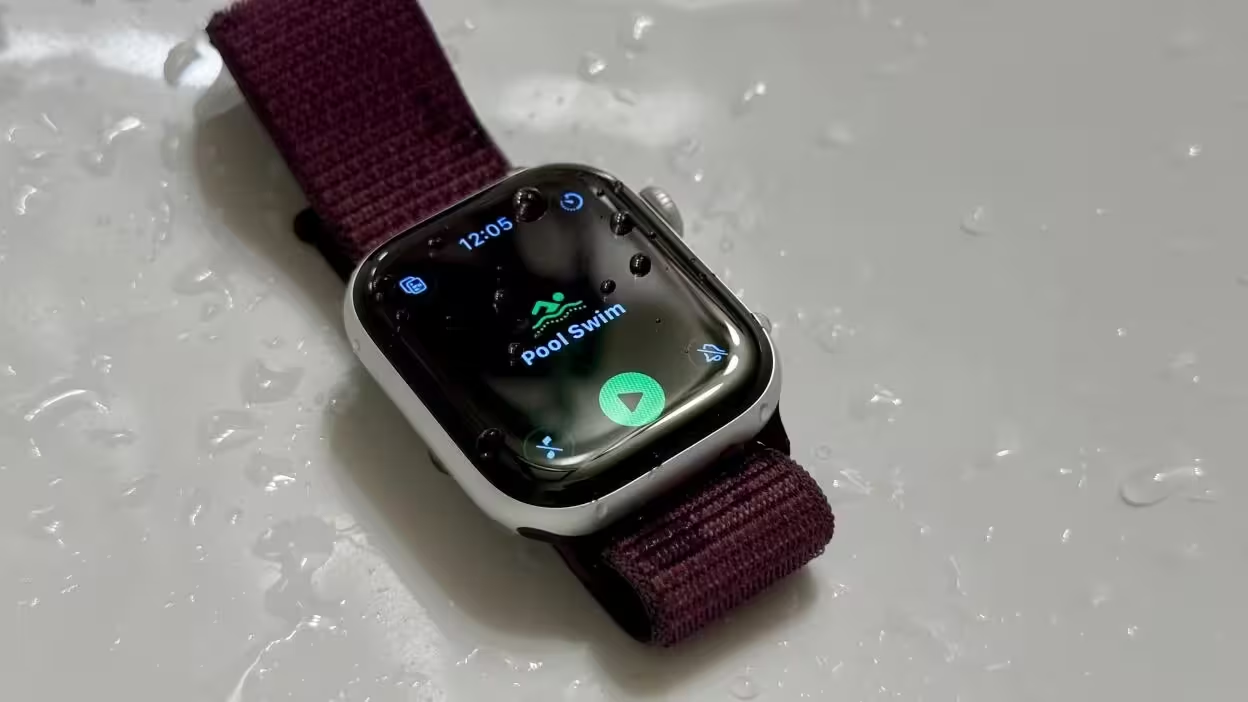

And then there is the fine print, the part almost nobody reads until something goes wrong. Manufacturers routinely warn that water resistance is not permanent. Apple says it can diminish over time. Google says the same. Samsung includes clear limits around how its watches are tested and warns users to clean the device after contact with substances like salt water, chlorinated pool water, soap, oil, sunscreen, perfume, cosmetics, and hand sanitizer. Garmin offers similar advice and even cautions against pressing buttons underwater on some models.
That list tells its own story. Fresh water is one thing. Real life is another. Salt water is harsher. Chlorine is harsher. Soap and lotions can interfere with seals. Heat adds stress. Fast-moving water can create pressure very different from a calm immersion test. So yes, your smartwatch may survive a few swims. It may also fail in conditions you assumed were normal.
Older wearables are especially easy to overtrust. A watch that has handled showers for years can suddenly give up during a vacation swim, not because the water was unusually deep, but because the protection it once had is no longer what it used to be. That is one of the biggest misconceptions in wearable tech: water resistance is not a lifetime feature. It is a condition, and conditions change.
None of this means smartwatch owners need to panic every time it rains. For everyday splashes, sweat, and brief contact with water, most modern devices are built to cope just fine. But if you swim regularly, especially in the sea, it is worth treating the spec sheet with more caution than confidence. Devices designed for more serious water exposure, including premium sport or dive-oriented models, are usually the safer bet.
Good habits help more than people think. Rinse the watch with fresh water after exposure to salt water or chlorine. Dry it properly. Keep sunscreen, soap, and chemical-heavy products away from the case when possible. Avoid assuming that a swim mode is a blank check for every aquatic scenario. And if your smartwatch is a few years old, the smartest move before an ocean swim might be the simplest one: leave it on the towel.






Leave a Comment
Comments (2)
I've had one die after a week at the beach, seals were shot from salt and sun, looked fine outside. Rinsed it too late. Learned to leave it on the towel.
Wait so 'water-resistant' != waterproof? I always thought pool + shower = ok. Salt, sunscreen, aging can wreck it? Seriously