
4 Minutes
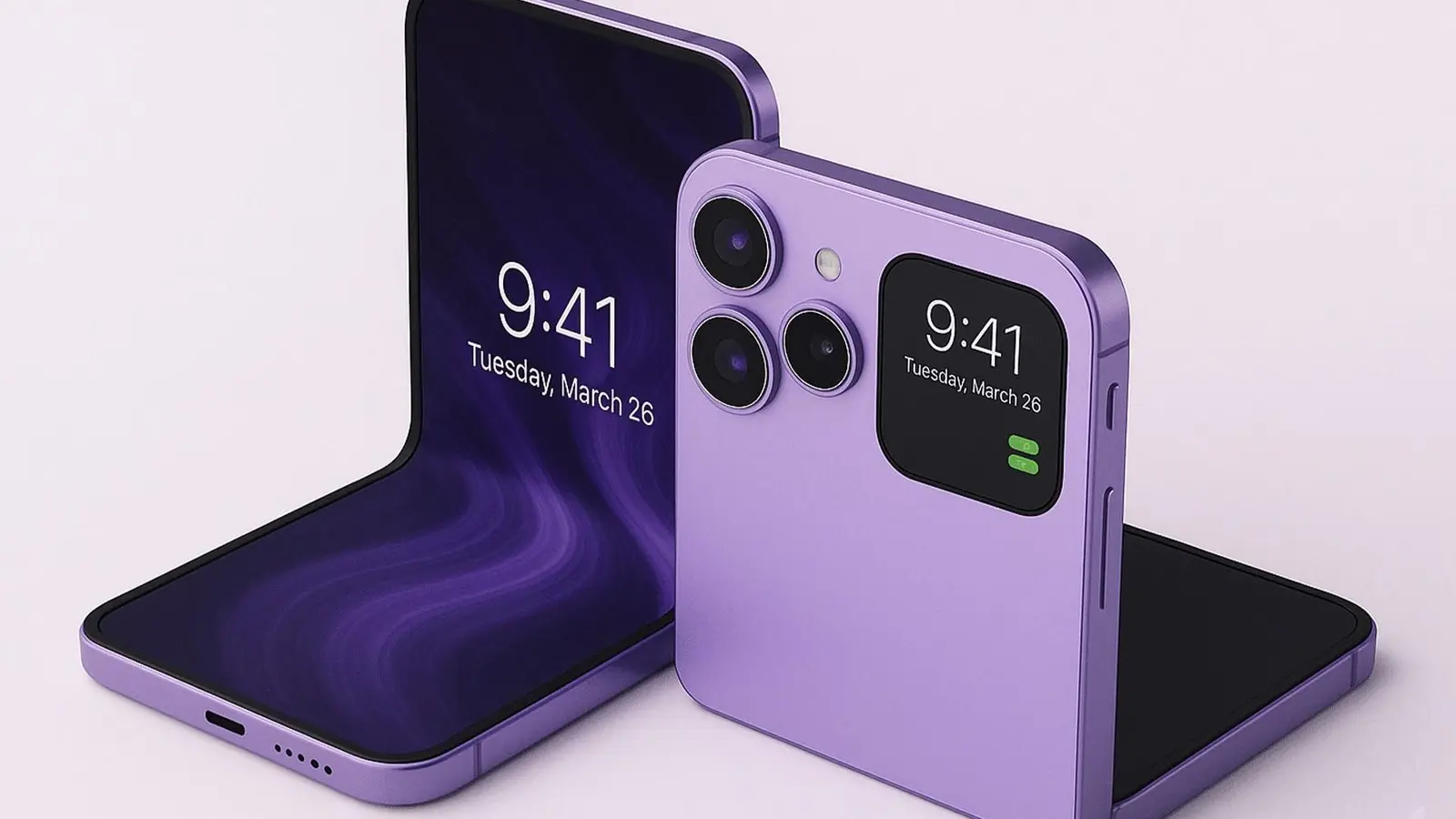
Apple's first foldable iPhone is shaping up to be a radical take on the form factor — not a copy of existing foldables but a high-end reinvention. Rumors point to a lightweight titanium frame, a nearly crease‑free OLED, and a 2nm flagship chip. Here’s a breakdown of what to expect, from design choices and hinge tech to performance, cameras, price and the tentative release window.
What form will it take?
Apple appears to be favoring the book-style fold — the same practical layout popularized by larger foldables — with an inner display that gives users more usable real estate for multitasking. Reports also suggest a clamshell design is in development, but that model would likely arrive later and target a different market segment.
Design and display: slim, tablet-like when open
The rumored inner panel measures roughly 7.7 inches and the external cover display about 5.5 inches, positioning the device between a phone and a compact tablet when unfolded. Tipsters describe a chassis built from titanium alloy for a lightweight yet premium build, and an overall profile likened to two of Apple’s slim flagships placed side‑by‑side.
Display details vary across leaks: one source cites a 2,713 x 1,920 resolution with an unusual 14.1:10 aspect ratio, while another claims Apple might choose a 4:3 ratio to keep software consistency with the iPad experience. Either way, the goal is a high-quality OLED with minimal visible crease.
Hinge engineering: the battle to hide the crease
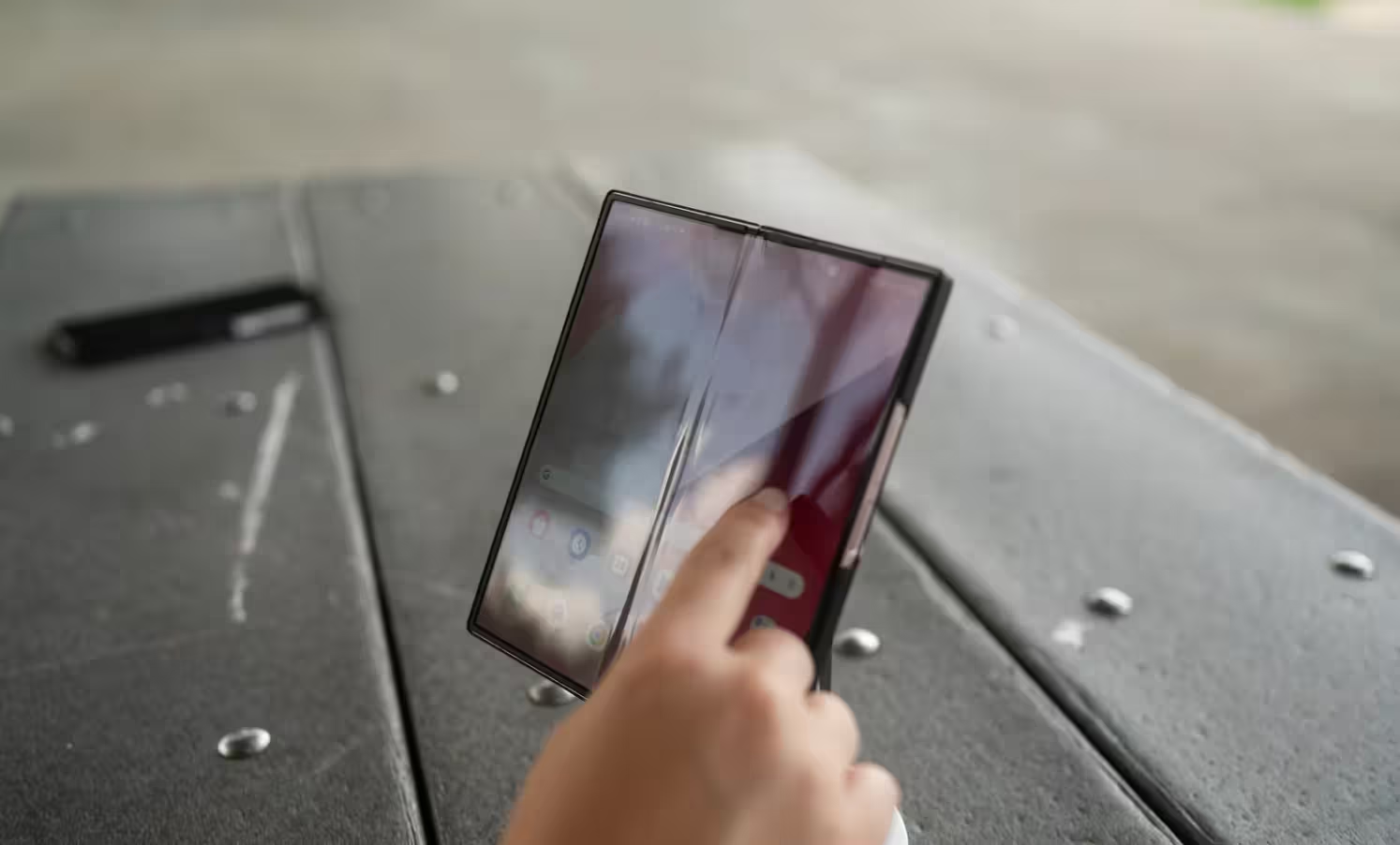
Apple is reportedly testing multiple hinge and panel technologies to produce a crease‑less visual and tactile experience. Proposed approaches include:
- Liquid metal hinge mechanisms designed for durability and a smooth fold.
- On‑cell touch stacks that reduce internal gaps around the fold.
- Laser‑attached metal plates to reinforce the flexible display — a costly but effective method.
- Thicker chemically strengthened cover glass or exotic amorphous metal glass composites to resist visible bending.
Some rumors indicated hinge complexity could push the launch, but follow-ups suggest Apple found cost‑effective solutions and may begin mass production on schedule.
Security: Face ID vs. Touch ID and in-display camera
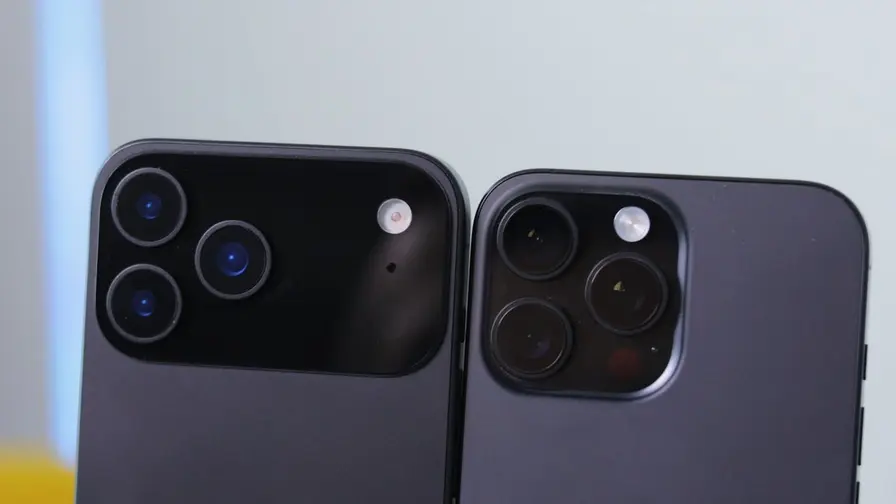
One notable compromise could be the absence of Face ID. Analyst notes and insider tips suggest Apple will skip the TrueDepth hardware on the Fold and rely on an under‑display camera plus Touch ID for biometric unlocking. That will be a controversial tradeoff for buyers used to Face ID’s convenience.
Performance: a 2nm flagship core and Apple’s own 5G modem
Under the hood, the iPhone Fold is expected to debut Apple’s A20 Pro chipset built on TSMC’s 2nm node — a first for foldables. Paired with about 12GB of RAM and storage tiers likely starting at 256GB and scaling to 512GB and 1TB, the device aims to deliver desktop‑class performance for multitasking and pro apps.
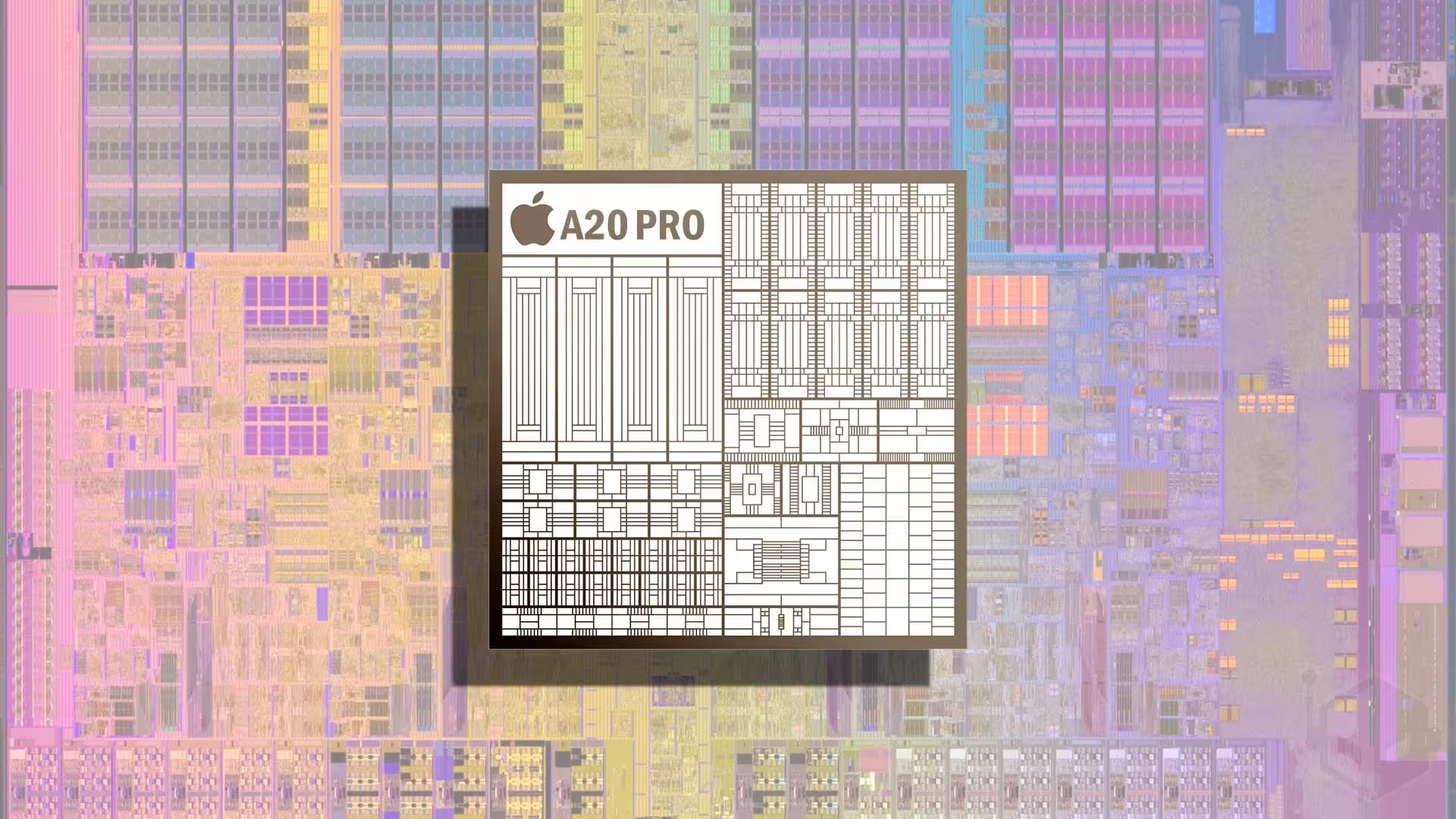
Apple is also said to include its in‑house C2 5G modem. Development of that baseband reportedly kicked off earlier this year and will likely use a 4nm process, complementing the A20 family rather than matching its cutting‑edge node.
Camera setup
Leaks point to a four‑camera arrangement: a high‑resolution main on the rear (reports mention up to 48MP), an in‑display selfie sensor around 24MP, and additional rear modules for wide and telephoto duties. Exact specs are fluid, but Apple seems to be balancing premium optics with the mechanical constraints of a folding body.
Price expectations and why it will be premium
The iPhone Fold is expected to be priced at a very high tier. Estimates vary: Ming‑Chi Kuo suggested $2,000–$2,500, while JP Morgan and other analysts have centered on about $1,999. UBS analysts estimate a Bill of Materials near $759, which helps explain the steep MSRP and the projected gross margins.
Launch timeline: when you might be able to buy one
Current leaks suggest mass production could kick off in the second half of 2026, positioning Apple for a potential late‑2026 announcement. Related iPhone launches may be shuffled — some models expected in 2026 could be delayed or renamed and appear alongside or after the Fold in 2027. A second‑generation Fold is already rumored for late 2028.

As always with unannounced hardware, plans can change. But if most rumors hold, Apple’s Fold will target early adopters and professionals who want a premium, productivity‑focused foldable rather than a cheaper pocket clamshell. Expect more details — and refinements — as we approach mass production and Apple’s official reveal.









Leave a Comment
Comments (2)
Whoa, 2nm chip AND titanium frame? wild. I'd buy for the hardware alone... but $2k+ price makes me pause. If the crease is gone tho, maybe worth it.
wait no Face ID? is this even true, apple ditching TrueDepth for under display cam + Touch ID? Sounds risky, curious how they'll sell it