
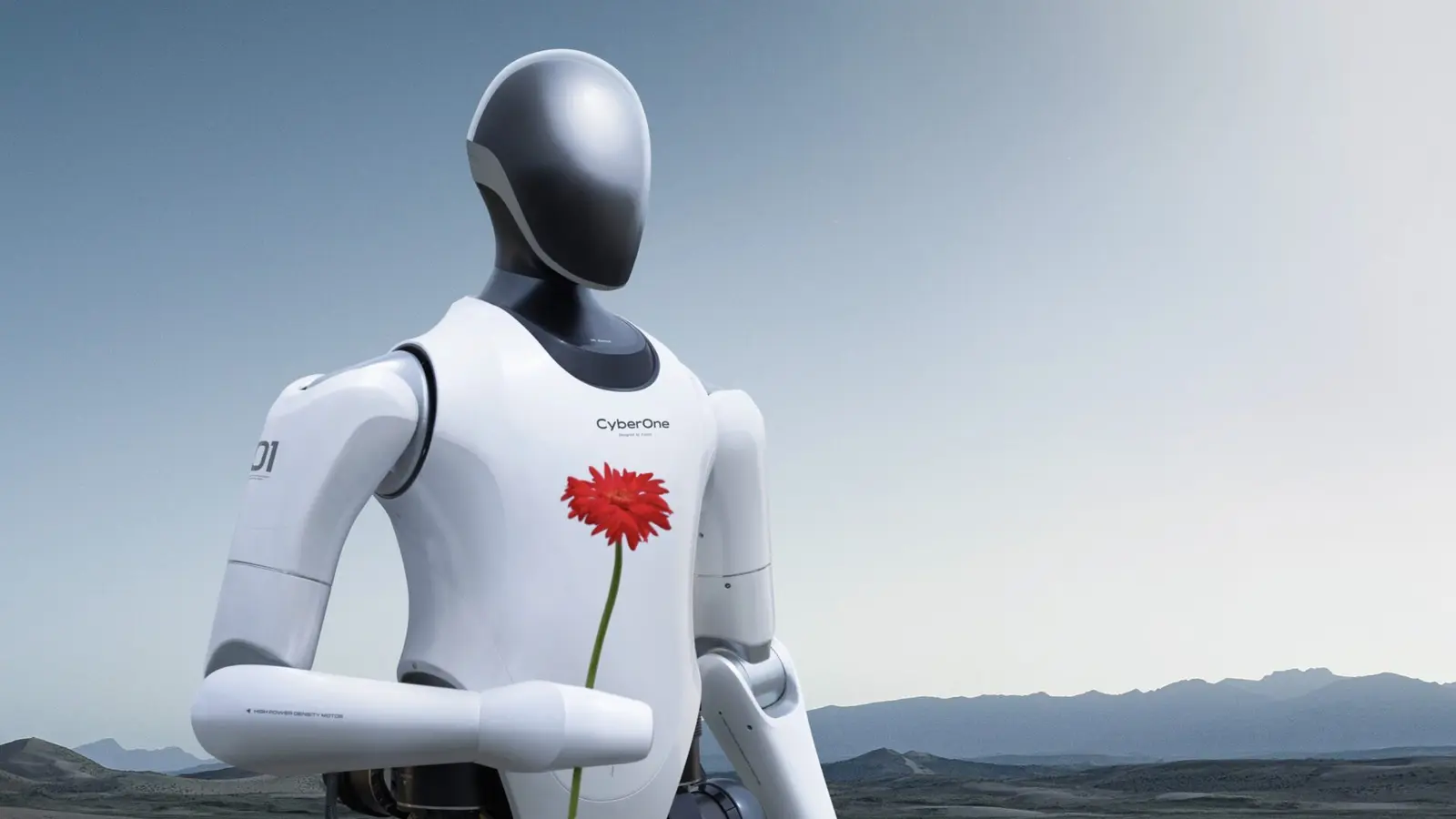
A 1.7‑meter machine will step out of Xiaomi’s test labs and into public view in Beijing. That’s not hyperbole — it’s the plan. On August 18, during Xiaomi Group’s earnings call, President Lu Weibing confirmed the company will unveil its full‑size humanoid robot at the World Robot Conference, which runs August 19–23, 2026.
Short answer: the immediate priority is factories. Lu was blunt about it — the robot’s most valuable role today is on production lines, relieving humans of repetitive, manual tasks. Xiaomi isn’t aiming for a one‑trick novelty. The company wants a universal platform: a consistent body scale and a set of control models that can be applied across different industrial tasks.
Why humanoid? Because a human‑sized frame fits into existing workflows. The robot’s roughly 1.7‑meter stature means it can reach the same workstations and interface with the same fixtures designed for people. Xiaomi also plans to nest the robot inside a broader “people, cars, and home” ecosystem — thinking beyond the factory floor toward intelligent transport systems and smart homes.
There’s method behind the reveal. Xiaomi has already been running pilots. Founder Lei Jun shared results after a four‑month “internship” the robots spent at an automobile plant. At a self‑tapping nut installation station that required work on both sides, success rates climbed from about 90.2% to 98% during the trial period. That jump isn’t just a number. It hints at improved repeatability and reliability under real factory conditions.
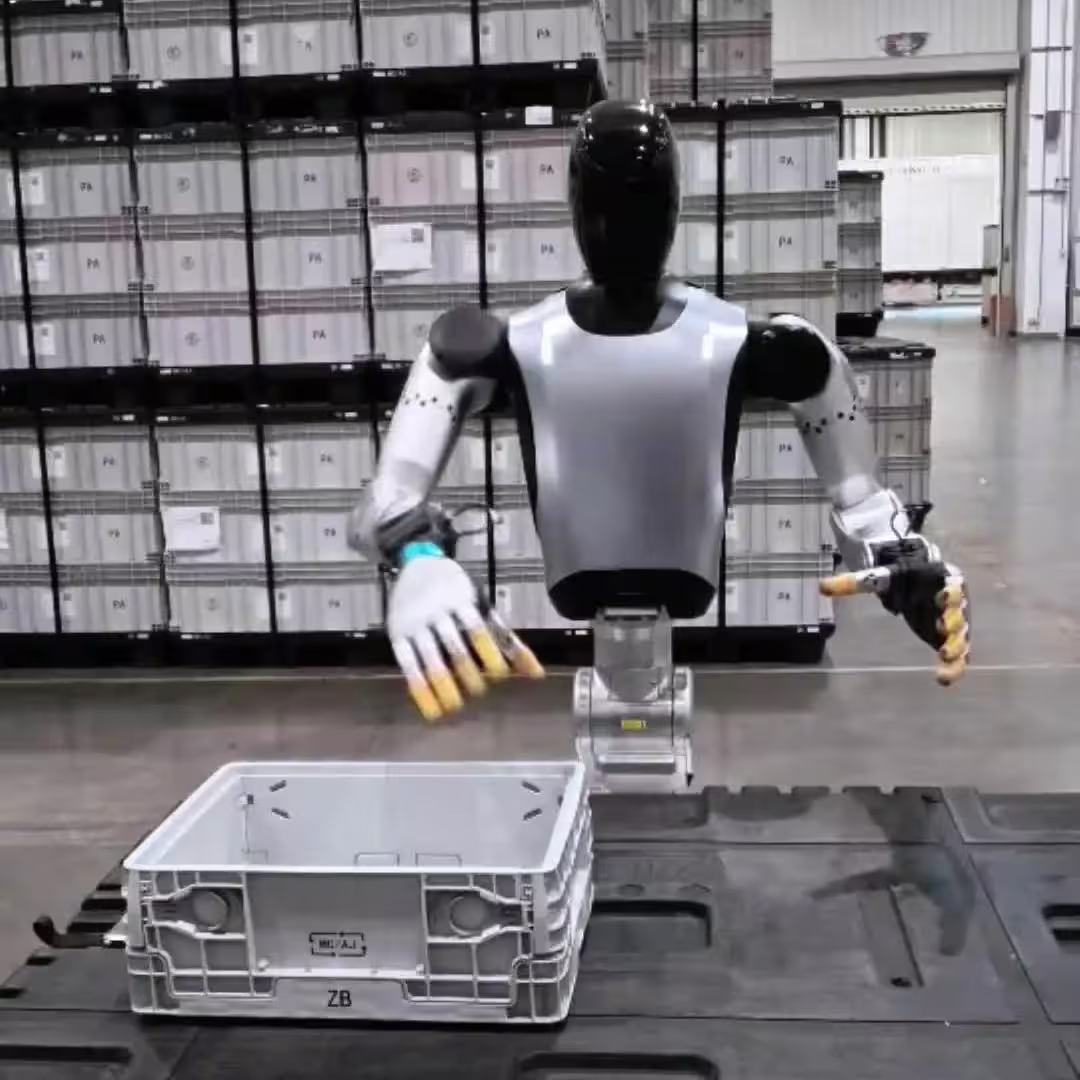
Trials moved from single operations to longer, more complex duties. In final assembly, the robots handled tasks such as folding center‑console side covers and managing material boxes, hitting roughly 90% success on those jobs. Notably, these were sustained runs involving flexible parts — a tougher problem than rigid, short‑cycle actions.
Xiaomi’s approach reads like a pragmatic checklist: prove performance in controlled industrial settings, then broaden the scope. Public demonstrations at the World Robot Conference will be the first opportunity for outside observers to see how the humanoid platform actually behaves beyond internal testing, and whether it can slot into manufacturing lines without bespoke infrastructure.
There are broader implications. If a general‑purpose humanoid can reliably pick, assemble and handle flexible components in an auto shop, manufacturers could rethink labor allocation. And if the platform is truly modular, the same hardware might later be repurposed for logistics, transit hubs, or even household chores — provided software and safety controls keep pace.
The public showing in Beijing will be Xiaomi’s moment to prove this is more than lab progress — it’s a usable robotic platform with industrial intent.
Expect curiosity, skepticism, and lots of questions. Can it sustain long shifts? How does it integrate with existing PLCs and vision systems? Will partners adopt it at scale? The World Robot Conference will be the place to start answering those questions in public.

Leave a Comment
Comments
No comments yet. Be the first.