
2 Minutes
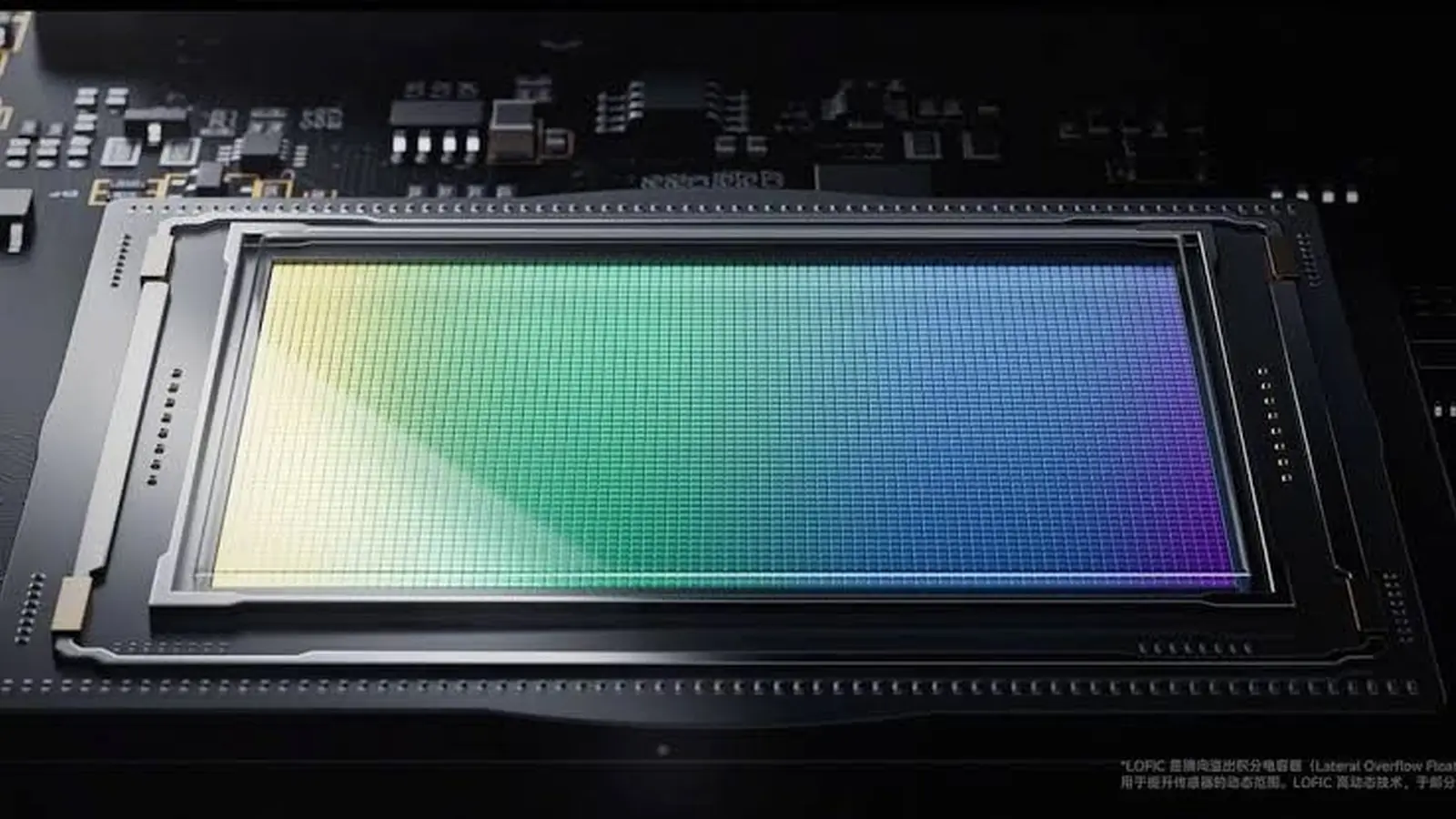
Smartphone camera tech is about to get a fresh jolt: LOFIC image sensors — once experimental curiosities — are lining up for broader adoption across major vendors starting in 2026. Expect clearer HDR, longer exposures and better handling of flickering LED lights on both phones and cars.
Who’s building LOFIC sensors and when to expect them
Several big names are already moving. OmniVision and vivo reportedly have a partnership that will surface soon, while OmniVision’s earlier efforts (like the OV50K used in the Honor Magic6 Ultimate) signaled LOFIC’s potential. OmniVision also recently introduced the OV50X, a large 1" sensor capable of 8K HDR video — a clear hint of what LOFIC tech can enable.
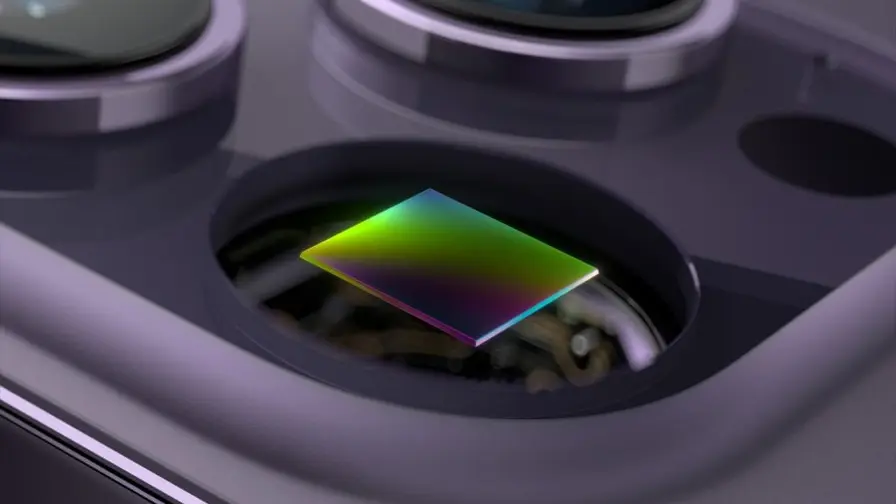
Insider leaks suggest Sony will ship a 1/1.3" LOFIC sensor around late 2026 (likely the LYT-838). Samsung is aiming for a late‑2026 to early‑2027 launch of a 200MP 1/1.1" LOFIC design reportedly called ISOCELL HPA. Apple is said to be developing an in‑house LOFIC sensor targeted for 2027 or 2028, aiming for a 100MP design.
What LOFIC actually does and why it matters
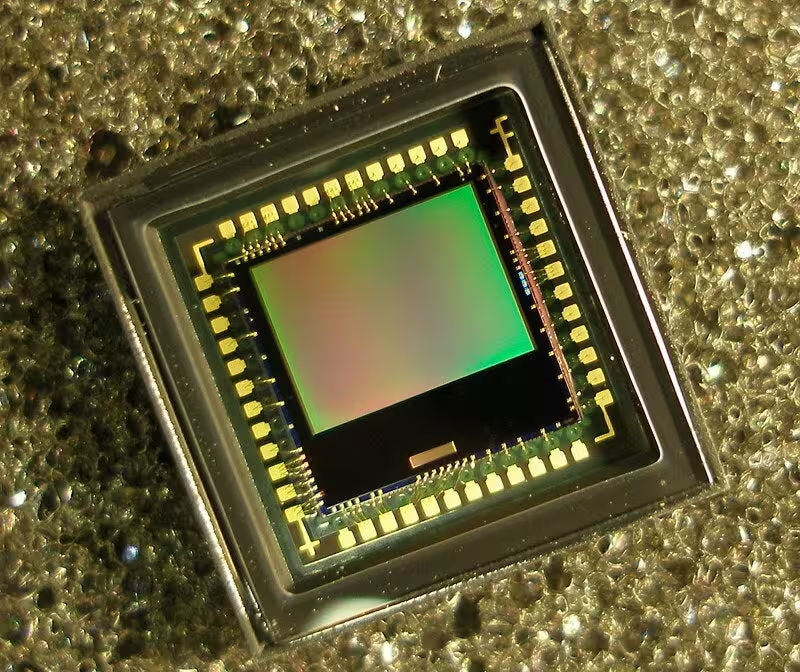
LOFIC stands for Lateral Overflow Integration Capacitor. In plain terms, it’s a capacitor that captures charge overflowing a photodiode when the pixel's full well is exceeded. That overflow handling unlocks a few practical benefits:
- Single-exposure HDR: wider dynamic range without compositing multiple frames.
- Longer effective exposures: useful for low light or creative night shots.
- Improved motion and highlight handling: fewer artifacts in bright areas.
These aren’t just incremental gains. By changing how sensors manage excess charge, LOFIC can simplify image stacking and reduce reliance on heavy algorithmic compensation — which matters for both image quality and power efficiency.
Beyond phones: automotive imaging and LED flicker
One surprising but logical application is automotive cameras. LED lights — headlights, traffic signs, and displays — can flicker at frequencies that confuse conventional sensors, producing banding or strange artifacts. LOFIC capacitors enable longer, more stable exposures that mitigate LED flicker, making sensors more reliable for driver assistance systems and automotive vision stacks.
So while the smartphone market will likely lead visible adoption, expect LOFIC to trickle into broader imaging roles where robust exposure control matters.
What to watch next
Keep an eye on product announcements from OmniVision, Sony, Samsung and Apple through 2026–2028. Early demos will likely appear in flagship or experimental phone lines first, then widen as manufacturing and software pipelines mature. If you care about HDR performance, low-light photography, or automotive camera reliability, LOFIC adoption is worth following closely.






Leave a Comment
Comments
No comments yet. Be the first.