
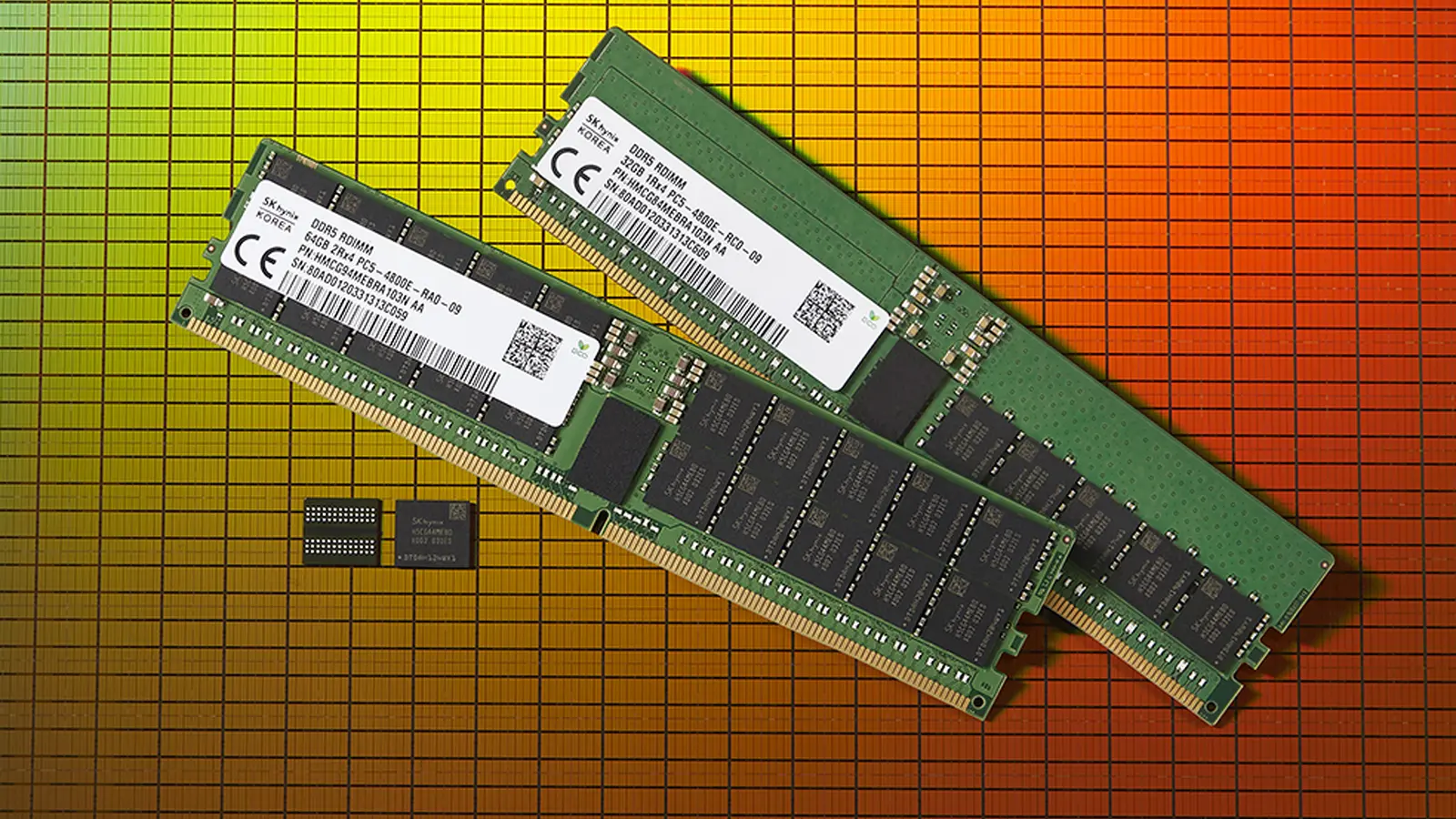
Rumors are swirling that Samsung may dramatically raise memory prices, driven by surging AI demand. If accurate, the move could push consumer RAM costs far higher — and PC gamers might feel the pinch first.
What the reports are saying
According to recent coverage, Samsung is said to have pushed contract prices for DDR5 modules sharply upward as data centers race to secure DRAM and HBM. The market whisper is dramatic: some DDR5 price points reportedly jumped as much as 50–60% month-over-month, with certain 32GB DDR5 modules cited near the $239 mark. Whether framed as a supplier reprice or a response to supply constraints, this is not a minor tweak — it’s potentially an industry-altering shift.
Why AI and data centers are reshaping RAM markets
Here’s the simple logic: large-scale AI and cloud builds need huge amounts of memory. When data-center projects place multi-year orders or buy in bulk, that eats into the pool of DRAM and NAND available for retail channels. Manufacturers prioritize those high-volume contracts to keep operations stable, which tightens supply and pushes prices up for everyone else.
Not just DDR5 — the ripple effect
Reports indicate price increases aren’t limited to one capacity or generation. 16GB and 128GB DDR5 pricing trends have also moved upward, and DDR4 saw notable increases earlier in cycles. Major DRAM suppliers — Samsung, SK hynix, Micron — tend to set the tone; if one raises prices, others often follow to protect margins and manage inventory, amplifying the effect across the market.
What this means for PC gamers and builders
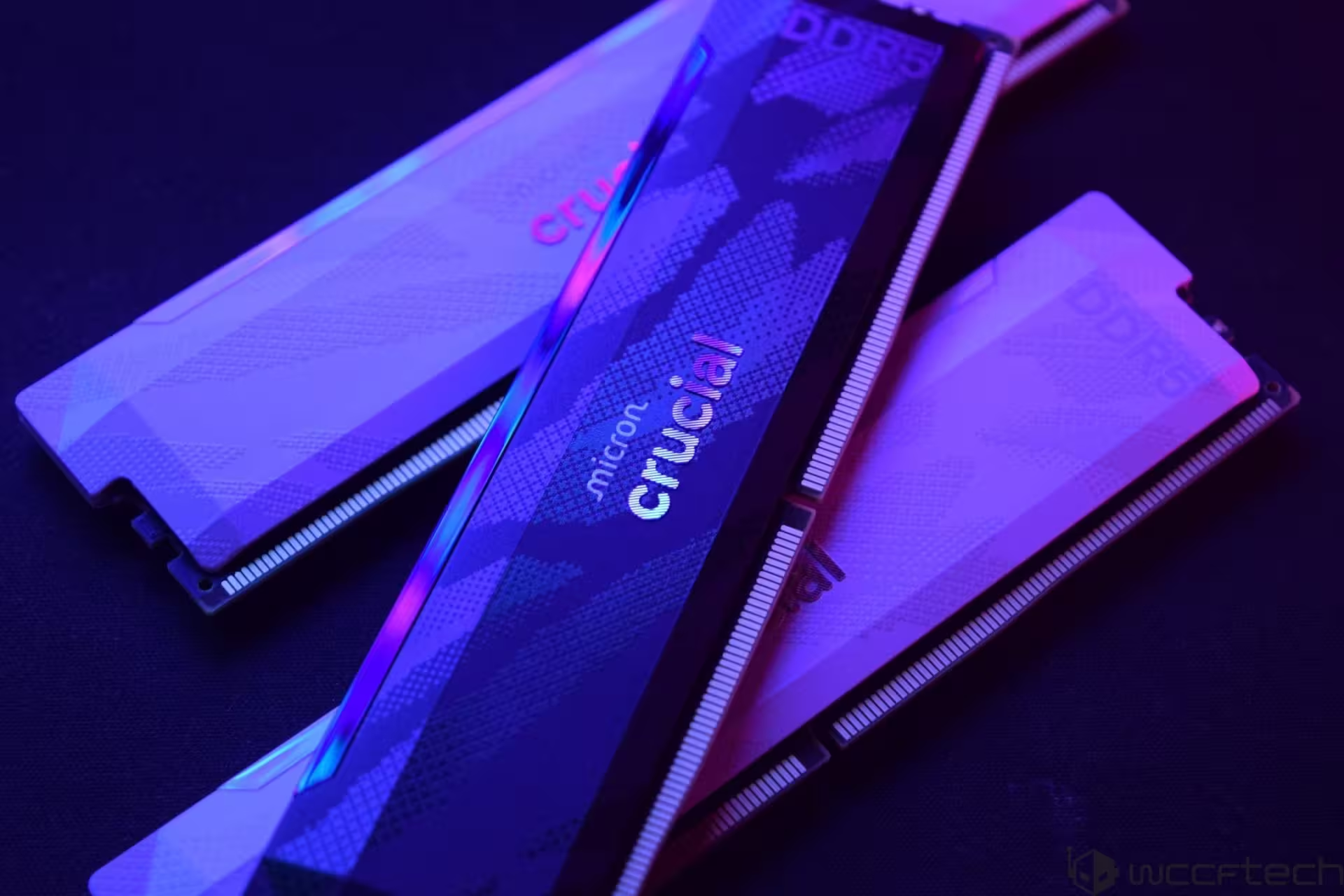
For gamers the impact is straightforward: memory upgrades get pricier. Whether building a new rig or upgrading existing systems, suddenly-expensive modules could push buyers to delay upgrades or pick lower-capacity kits. Brands like Corsair, ADATA and others may raise retail prices or reallocate stock toward higher-margin SKUs to maintain supply consistency.
That said, ecosystem responses vary. Retailers might limit bundle discounts, and used markets could heat up as budget-conscious buyers seek alternatives. For enthusiasts who follow component cycles, this could mean watching for promotional windows or waiting until supplier orders settle.
How long could the squeeze last — and what can consumers do?
Predicting timing is tricky. If AI-driven demand remains strong and data centers continue bulk purchases, tight supply and elevated prices could persist for months. Conversely, if suppliers ramp production or demand softens, prices could stabilize.
- Shop smart: compare individual module prices and watch reputable retailers for brief sales.
- Consider capacity: 16GB remains adequate for many gamers; 32GB is future-proof but pricier.
- Explore alternatives: OEM upgrades, bundle deals, or gently used modules may offer short-term savings.
Imagine planning a build only to find a key component suddenly 50% more expensive. That’s the headline risk here. Whether Samsung’s rumored hikes become industry policy or a short-term market blip, the situation is worth monitoring for anyone with an eye on PC hardware costs.

Leave a Comment
Comments
No comments yet. Be the first.