
3 Minutes
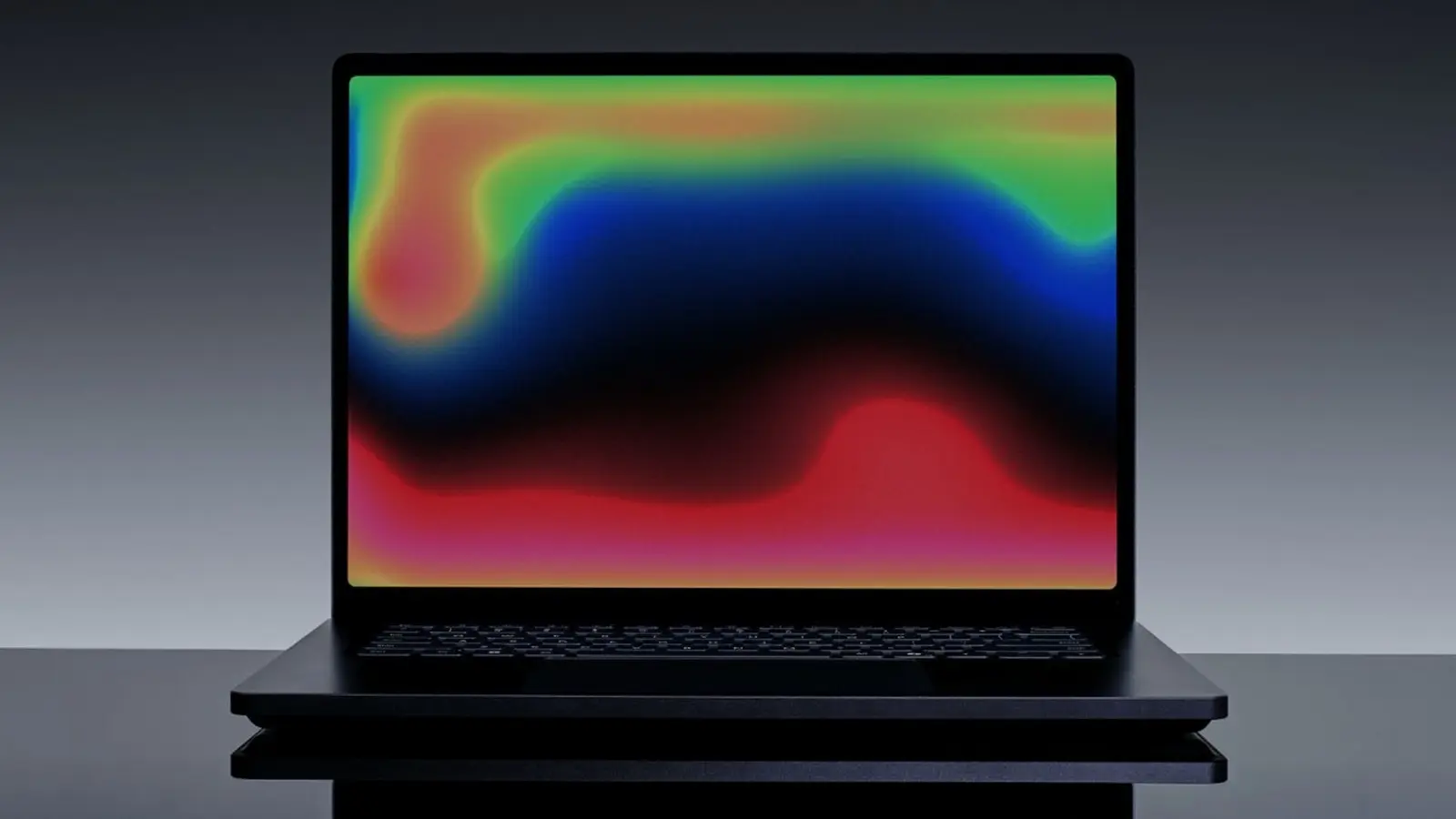
Can a Windows laptop make Apple sweat? Microsoft just unveiled a machine that answers that question with hardware instead of slogans. The Surface Laptop Ultra arrived at Computex 2026 packing an ambitious new system-on-chip from Nvidia and a spec sheet that reads like a checklist for pros who won't settle.
This isn't a mildly upgraded Surface. It's the first Surface to ship with Nvidia's RTX Spark SoC, an ARM-based powerhouse that can be configured with as many as 20 CPU cores and up to 128GB of LPDDR5X unified memory. On the graphics side, Microsoft tapped a Blackwell GPU implementation with 6,144 CUDA cores — roughly the compute you'd expect from an Nvidia RTX 5070, albeit tuned to a lower power envelope. Expect peak draw to hover near 80W, which is serious for an ARM platform and speaks to the device's ambition.

Thermals matter. Microsoft says the Ultra offers about 2.5 times the thermal headroom of the Surface Laptop 7 15, a claim that explains why such high-end silicon can run in a thin-and-light chassis without immediate throttling. The trade-off is weight: the new 15-inch MiniLED Ultra model tips the scales at roughly two kilograms, putting it in the same ballpark as Apple’s 16-inch MacBook Pro.
Screen tech is equally bold. The 15-inch MiniLED panel promises up to 2,000 nits peak brightness in HDR, which should translate to dazzling highlights and much-improved visibility outdoors. Colors, local dimming and high dynamic range are precisely the muscles content creators flex, and Microsoft clearly built this with professionals in mind.

Port selection reads like a catalog of convenience: three USB-C ports, a full-size HDMI connector, an SD card reader, a 3.5mm headphone jack and even a USB-A port. That array will please photographers, podcasters and anyone who still carries legacy peripherals. Biometric login via Windows Hello remains, and — a rare but welcome move — the single-drive SSD is user-replaceable, a small rebellion against sealed designs.
Design choices are pragmatic rather than flashy. The Ultra comes in Black or Dark Silver, and Microsoft appears to favor a functional aesthetic over theatrics. Internally, the chip and memory choices aim to blend the power profile of high-performance PCs with the efficiency gains ARM silicon can deliver when properly cooled.

Microsoft plans to ship the Surface Laptop Ultra this fall, though exact pricing is still under wraps; early estimates place configurations starting near $3,000 and peaking well above $6,000 when fully equipped.
Put simply: this is Microsoft taking the fight to Apple not with marketing lines but with a machine that dares to mix desktop-class GPUs, massive unified memory and replaceable storage in a laptop frame. Whether buyers will choose the flexibility of Windows on ARM, or stick with Apple's tight hardware-software pairing, is the next chapter — and one worth watching closely.

Leave a Comment
Comments
No comments yet. Be the first.