
3 Minutes
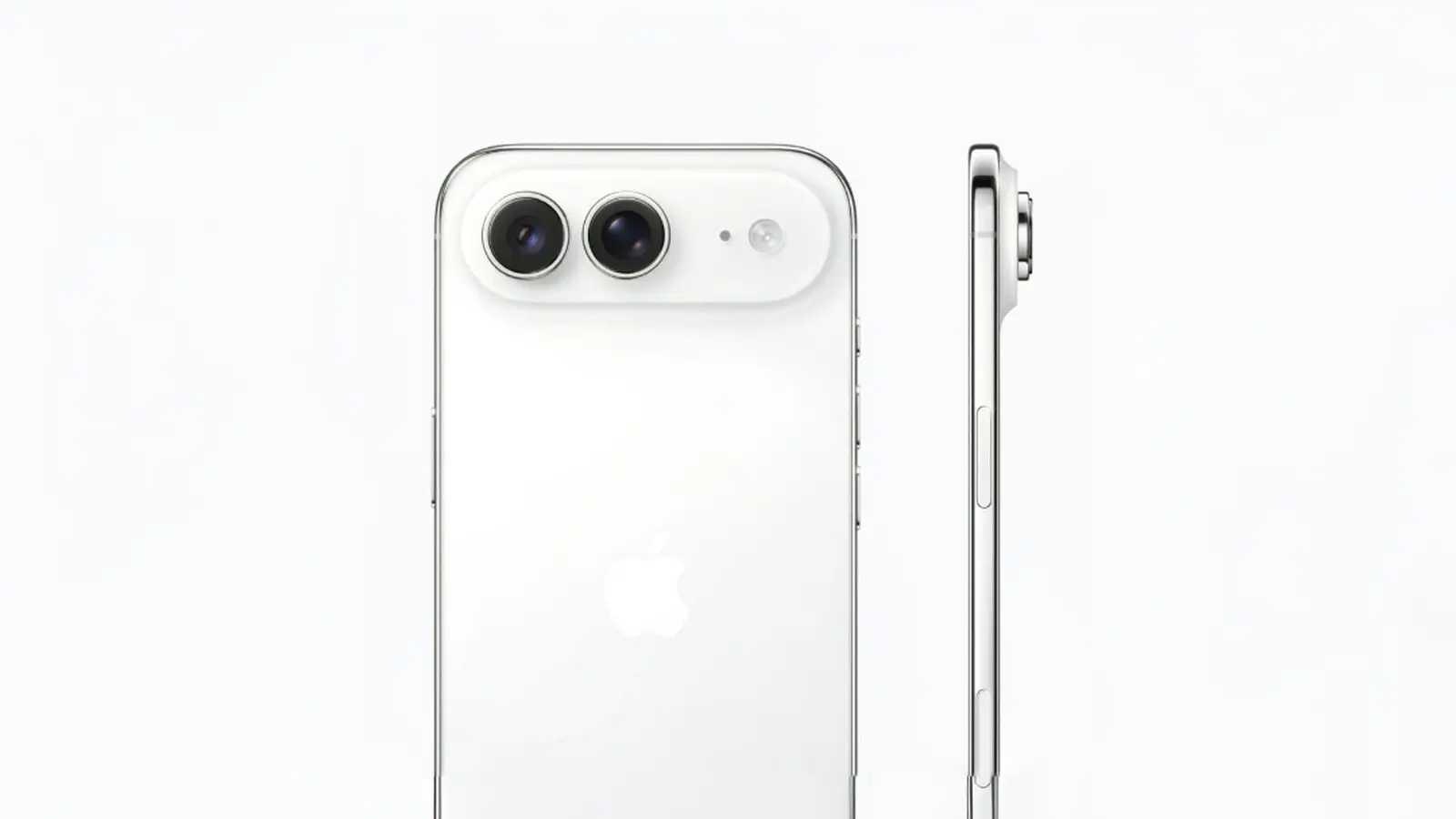
A white mock-up of Apple's much-rumored foldable just leaked online. It doesn’t scream revolution — it whispers refinement. Short, rounded, and book-like, the model gives a clearer sense of the shape Apple might choose if it brings a foldable to market.
The design reads intentionally familiar. Open or closed, the silhouette feels softer than many current foldables, with less of the boxy hinge look and more of a rounded palm-friendly profile. The rear camera strip is unmistakable: a horizontal module that echoes the look we’ve seen on the iPhone Air concept images. But instead of three sensors, this dummy shows just two. Why cut cameras? The simplest answer is thinness. Leaks have suggested Apple may favor a slimmer device over cramming every sensor possible into an already tricky folding chassis.
Color choices appear conservative. The white finish here aligns with earlier chatter that Apple will keep the inaugural foldable muted — silver and darker tones over loud, playful hues. That approach would contrast with the rumored broader palette for the upcoming iPhone 18 Pro line, suggesting Apple might treat a foldable as a more premium, understated product at launch.

Specs in the rumor mill haven’t changed much. Reports point to a roughly 5.5-inch cover display and approximately a 7.8-inch inner screen when unfolded. Power would likely come from Apple’s next-gen A20 Pro chip, according to supply-chain whispers — the same silicon expected to sit inside flagship slab iPhones. One persistent debate centers on authentication: could Touch ID make a comeback? Multiple sources propose a side-mounted fingerprint reader instead of a full TrueDepth Face ID array, mainly because cramming the full Face ID hardware into an ultra-thin folding body is a substantial engineering headache.
Remember: what’s circulating now is a dummy unit built from leaked measurements and rumor sketches. It’s a tool for imagining proportions and ergonomics, not a sealed preview of Apple’s final choices. Still, seeing a physical model helps answer basic questions that schematics can’t: how the hinge might affect thickness, how the camera bar sits when folded, how a closed foldable feels in hand.
Whether Apple ships this exact look or pivots before production remains to be seen. But one thing is clear: the company is thinking about compromises — balancing camera count, thickness, authentication hardware, and color — decisions that will define how mainstream a foldable iPhone can become.
Curious to see how Apple resolves those trade-offs? Keep an eye on the next leaks; the story is far from settled.


Leave a Comment
Comments
No comments yet. Be the first.