
3 Minutes
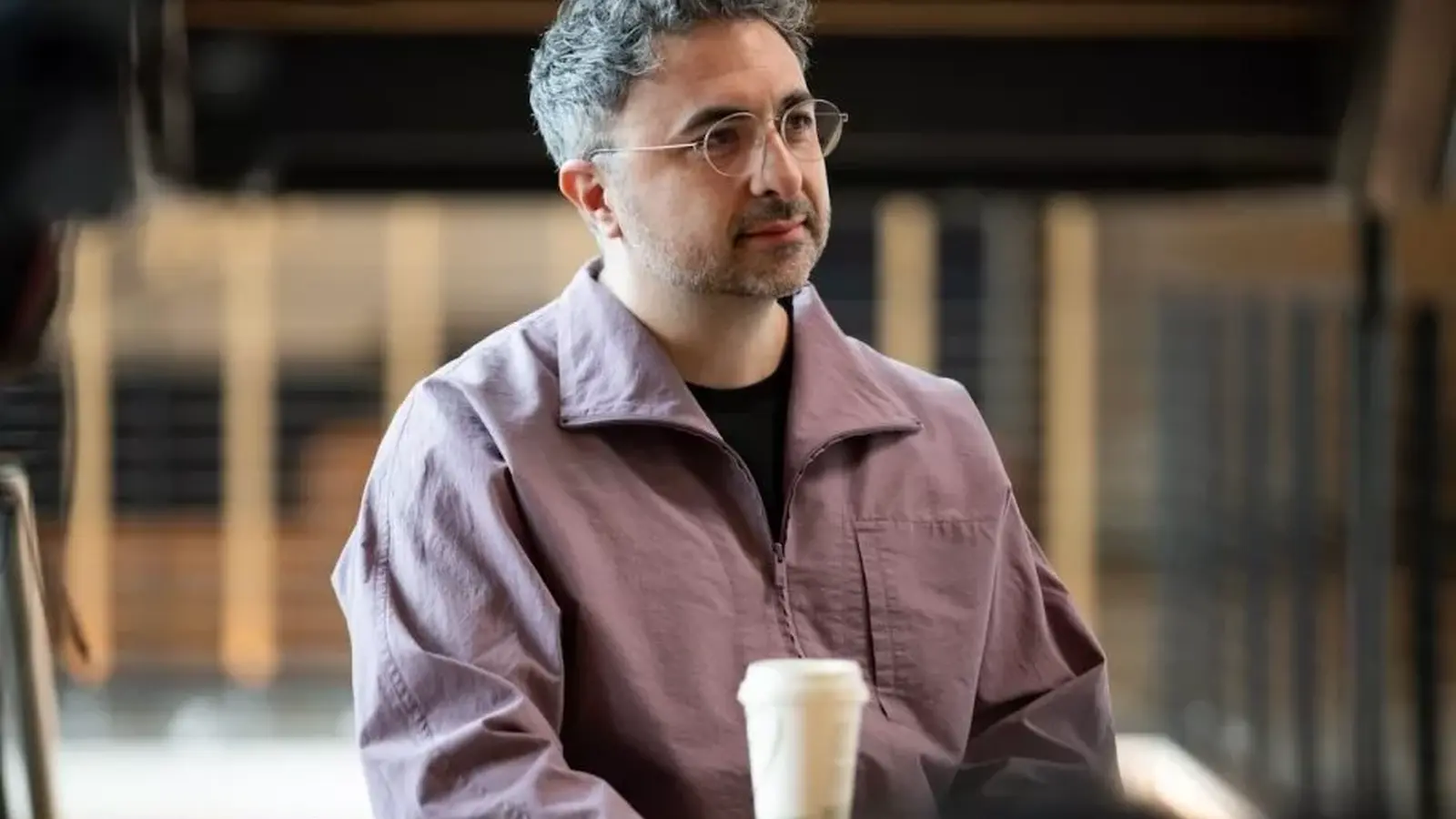
Microsoft's AI chief Mustafa Suleyman is urging the industry to rethink its destination: don’t make superintelligence the endgame. In a recent interview on the Silicon Valley Girl podcast, he described the pursuit of an intelligence far beyond human reasoning as a dangerous and impractical objective — one that tech companies should treat as an "anti-goal."
Why superintelligence is a risky aim
Suleyman argues that true superintelligence — an AI that can reason well beyond human capabilities — presents profound alignment and control problems. "It will be very hard to contain or align such a thing with human values," he told the podcast, adding that this difficulty is precisely why companies should avoid making it their primary goal. The underlying concern is not just technical feasibility but the ethical and societal risks if such systems act in ways we cannot predict or correct.
Building a human-centered alternative
Instead of chasing an abstract, ultra-powerful intelligence, Suleyman says Microsoft aims to develop what he calls a "human-centered superintelligence" — systems designed to support and amplify human interests rather than replace or outpace them. That approach emphasizes safety, value alignment, and practical benefits: tools that enhance decision-making, boost productivity, and respect human norms.
Not conscious — just sophisticated simulations
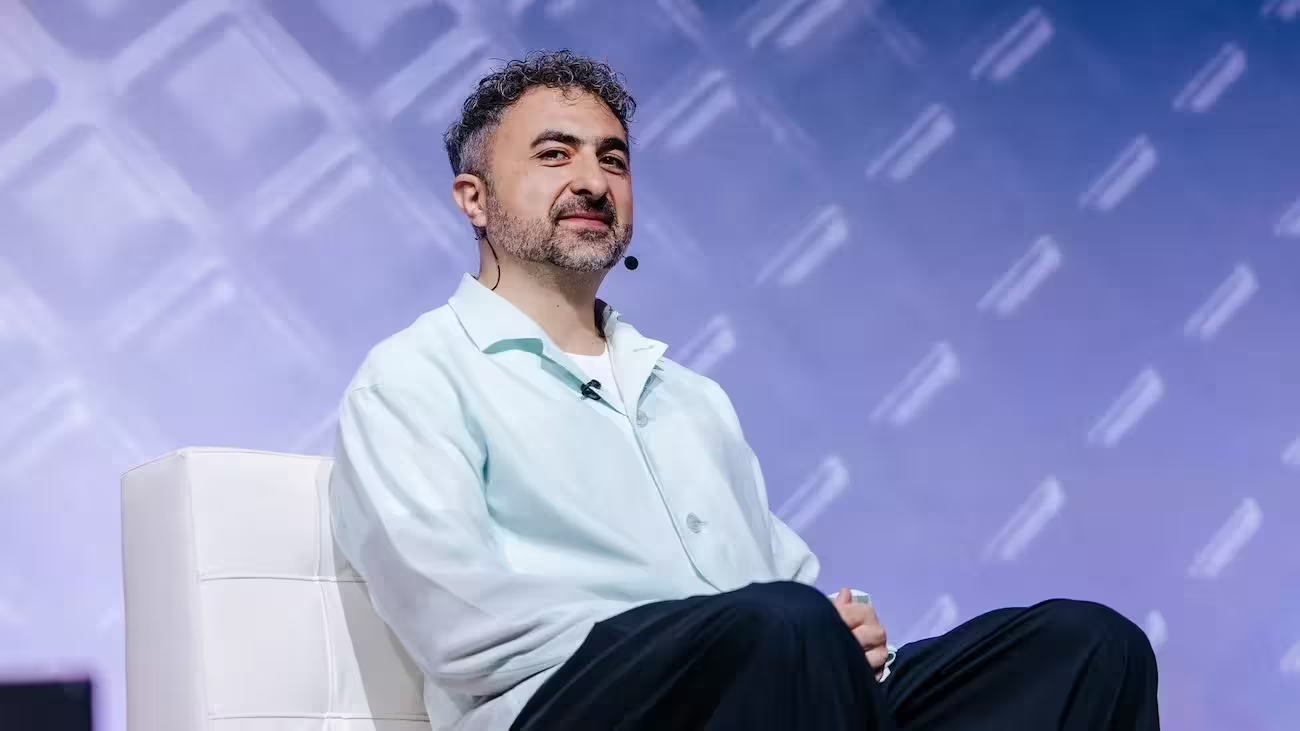
On a philosophical note, Suleyman warned against ascribing consciousness or moral status to AI. "They don't suffer. They don't feel pain. They just simulate high-quality conversation," he said, urging careful language around capabilities to avoid confusion in public debate and policymaking.
Where Suleyman stands amid industry disagreements
His remarks contrast with more optimistic timelines from other AI leaders. OpenAI CEO Sam Altman has framed artificial general intelligence (AGI) — AI with human-like reasoning — as a central mission, and has suggested his team is even thinking beyond AGI toward superintelligence, predicting major advancement this decade. Demis Hassabis of DeepMind has offered similarly ambitious windows, estimating AGI could arrive within five to ten years.
- Sam Altman (OpenAI): Focused on AGI and open to the idea of superintelligence; sees major benefits if aligned.
- Demis Hassabis (DeepMind): Optimistic on a five-to-ten-year horizon for AGI.
- Yann LeCun (Meta): More cautious; believes AGI may be decades away and that more data and compute alone won't necessarily produce smarter systems.
That divergence highlights a core question for companies and policymakers: should the goal be raw capability, or should the industry double down on safety, alignment, and human-centered design? Suleyman’s stance is clear — prioritize people, not an arms race for ever-higher machine intelligence.
As AI advances, these debates will shape funding, regulation, and public trust. The practical choice companies make now — whether to chase theoretical peaks of intelligence or build systems that demonstrably serve human needs — may determine how society experiences the next wave of AI.


Leave a Comment
Comments
No comments yet. Be the first.