
3 Minutes
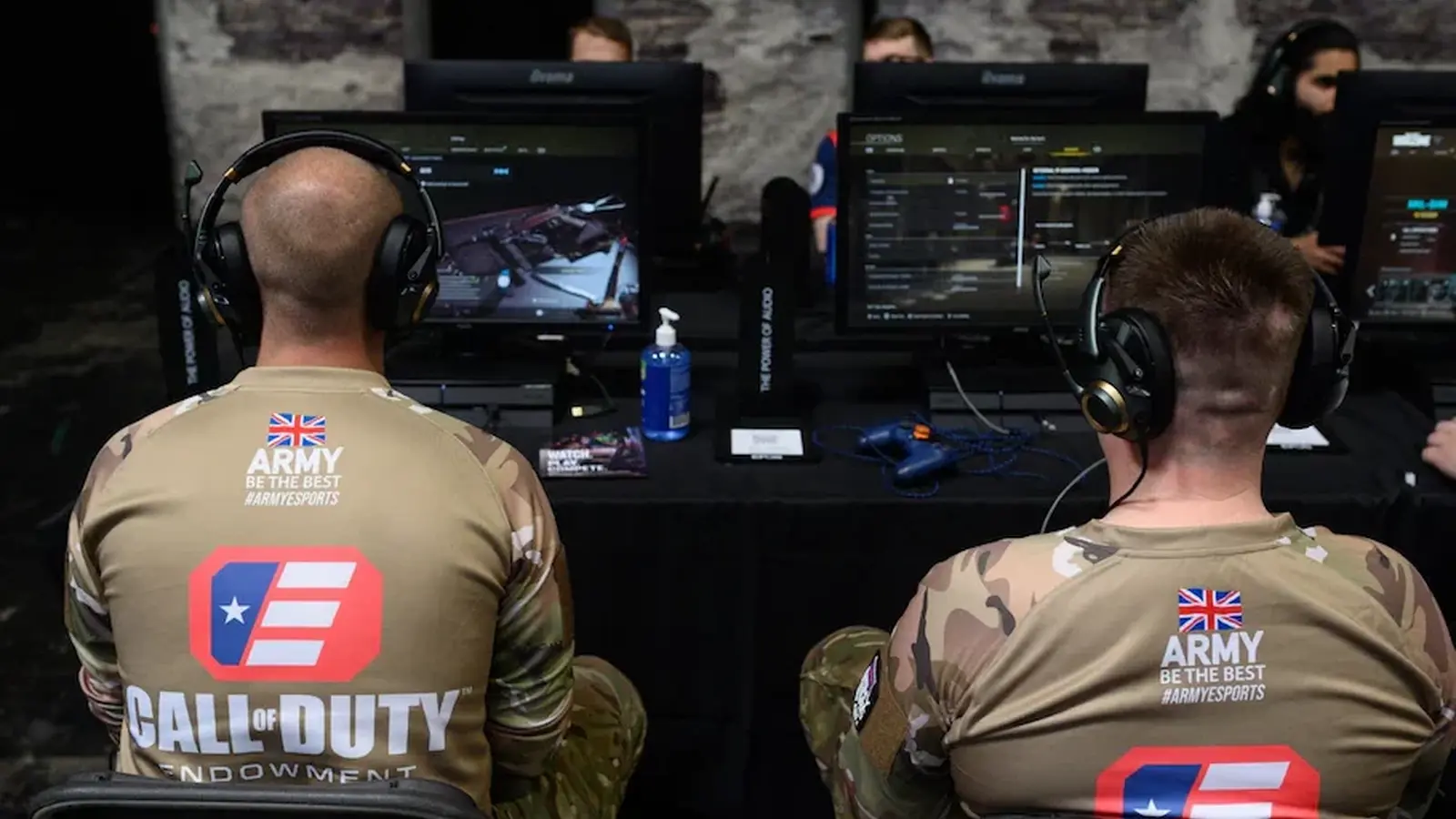
The British Army is embracing video games as a way to sharpen battlefield and cyber skills, turning popular combat simulators into a training ground for the next generation of soldiers. Officials say titles like Call of Duty can help develop situational awareness, quick decision-making and remote-control skills that are increasingly relevant on modern battlefields.
From living rooms to the frontline: why gaming matters
General Tom Coppinger-Symes, deputy commander for cyber and specialist operations, highlighted how the war in Ukraine has changed perceptions about remotely controlled systems. Drones and other remotely operated tools have become decisive on the battlefield, and that shift has underscored the value of recruits already comfortable with digital interfaces and fast-paced gaming environments.
To capitalize on that talent pool, the UK Ministry of Defence announced the International Defence Esports Games (IDEG) — a competitive tournament that will pit Britain’s top "cyber soldiers of tomorrow" against teams from roughly 40 allied nations. The ministry says competitive gaming helps people practice skills such as tracking simultaneous threats, guiding units under pressure, and adapting tactics based on live intelligence.
Esports, training exercises and real-world limits
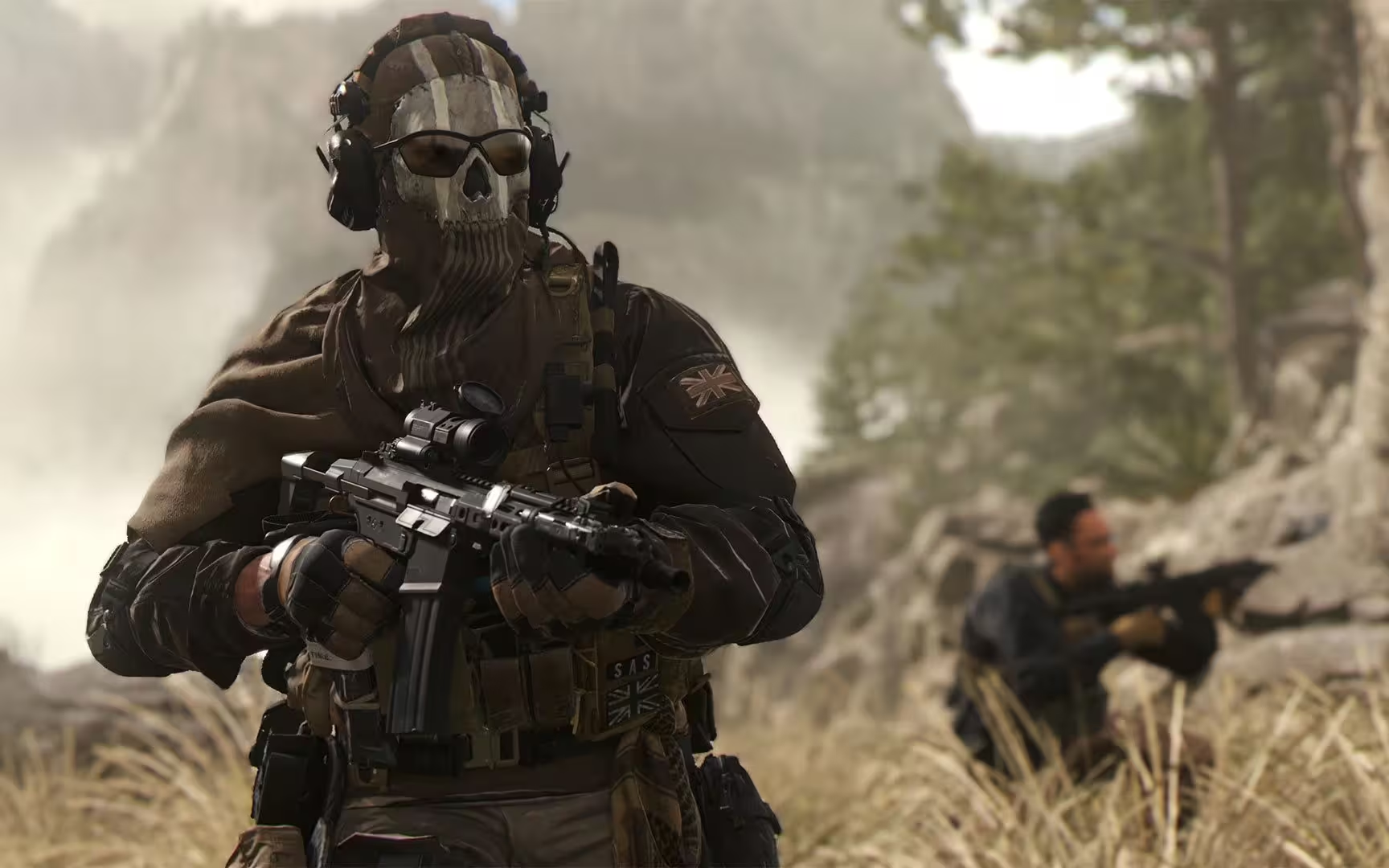
War-themed games like Call of Duty are familiar to many recruits and can simulate high-stress scenarios that build reflexes and teamwork. But former military intelligence officer Phil Ingram warns against treating video games as a replacement for physical training.
"These tools should augment, not replace, real-world instruction," Ingram said. "Call of Duty and tailored training packs have a place, but they don’t substitute for comprehensive military training." That distinction is crucial as defence forces balance digital innovation with proven field practices.
Official recognition and recruitment aims
In 2024, the UK formally recognised esports as a military sport, signaling an institutional shift toward integrating gaming into recruitment and skills development. Defence minister John Healey unveiled programs last year aimed at attracting gifted gamers and programmers into cyber roles — a pressing need given that the UK faces roughly 90,000 cyber attacks annually.
"If you’re a top gamer or an elite coder, the country needs you," Healey said, encouraging talent to consider service routes that make use of their digital strengths.
What to expect from IDEG and beyond
IDEG is positioned as more than a publicity stunt. Organizers describe it as a practical arena for building human capabilities that modern conflict increasingly demands: multi-tasking under pressure, rapid threat assessment, and remote coordination. For many militaries, esports tournaments will serve as an early filter to spot candidates with high potential for cyber and drone operations.
Still, the move raises questions about ethics, training standards and how digital skills translate into real-world effectiveness. How do you measure transfer from virtual scenarios to live operations? Can esports training be standardized across allied forces? Those are the discussions shaping the rollout.
As technology redefines warfare, the UK’s approach shows how civilian gaming culture can intersect with defence needs — but only as part of a broader training ecosystem that includes live exercises, technical schooling and operational experience.
.avif "Microsoft to Equip 1 Million UK Workers with AI Skills by Year-End in Landmark Upskilling Initiative")

Leave a Comment
Comments
No comments yet. Be the first.