
3 Minutes
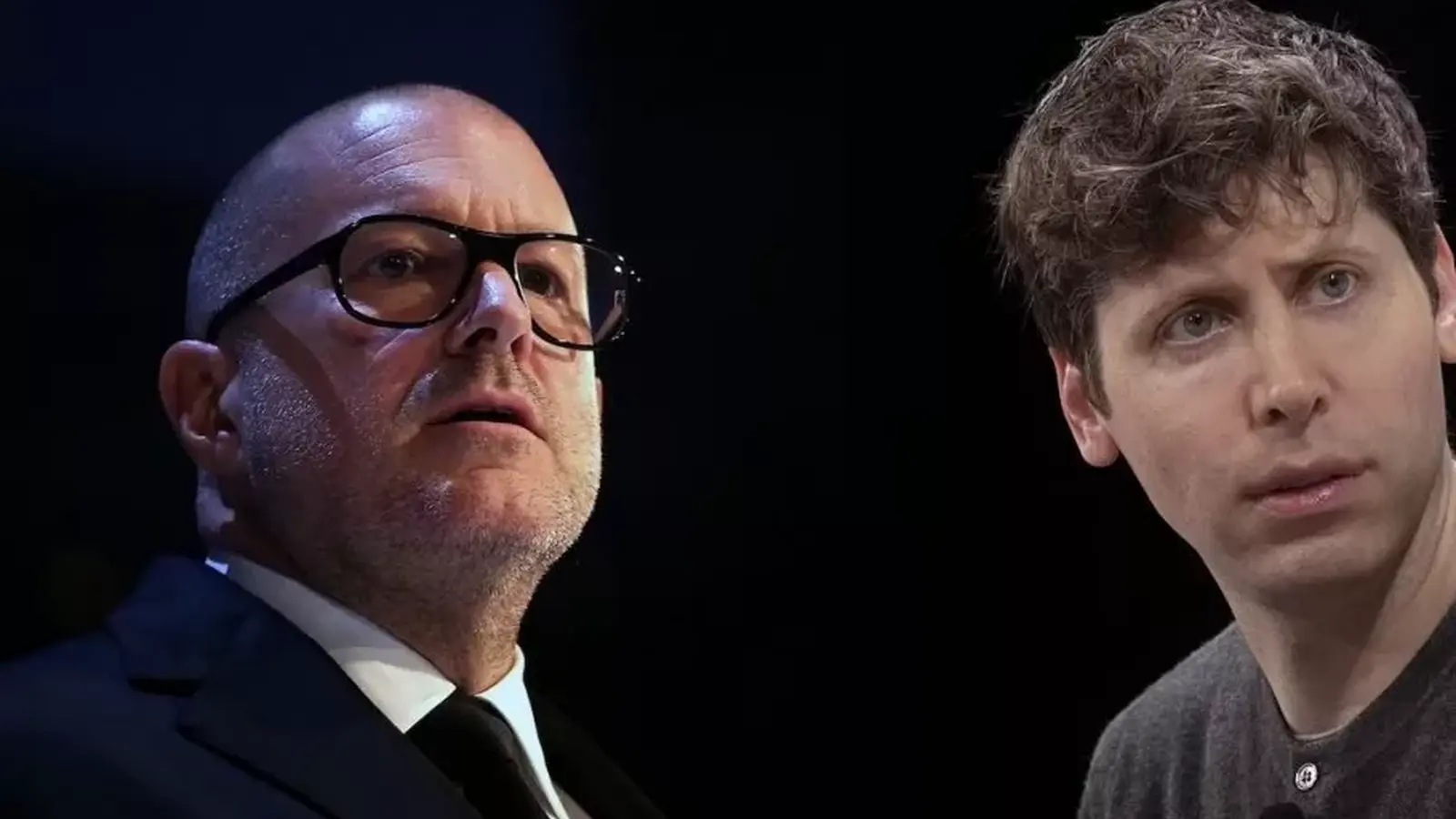
OpenAI CEO Sam Altman and former Apple designer Jony Ive have revealed fresh details about a joint hardware project that aims to strip away the clutter of modern smartphones and bring calm back to our digital lives.
What they're building: a screenless, calming AI companion
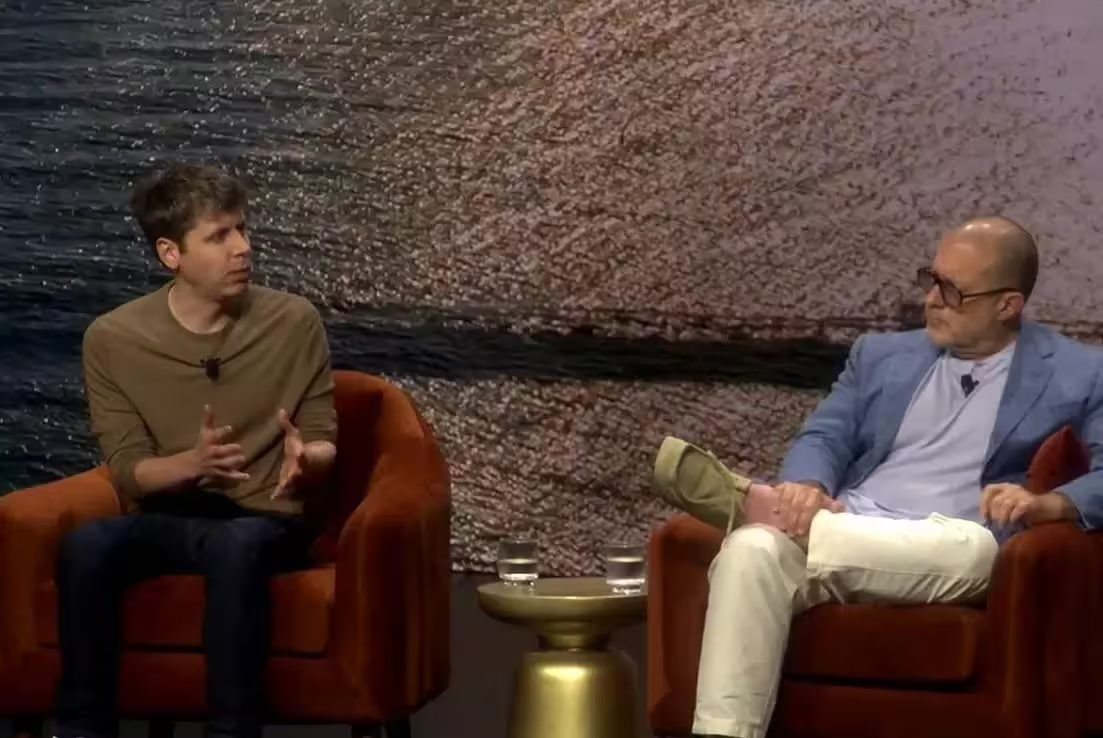
At a San Francisco event, Altman and Ive described a minimalist device developed by OpenAI in collaboration with Ive's design studio LoveFrom. Still in prototype form, the gadget is reportedly about the size of a phone but intentionally lacks a traditional display. The goal isn’t to replace phones overnight; it’s to create an always-available AI presence that helps filter information and interrupt you only when it truly matters.
Design philosophy: deceptively simple
"People's first reaction when they see the prototype is, 'Is that it? So simple,'" Altman said. Ive echoed that sentiment, explaining he’s drawn to solutions that feel almost raw and naïvely simple. The point, they say, is to make a tool that feels familiar and non-threatening while delivering sophisticated intelligence behind the scenes.
Calm over noise: a new approach to digital wellbeing
Altman compared modern phones — even the iPhone, which he called a landmark consumer product — to walking through Times Square: bright, noisy and full of interruptions. By contrast, he likened their AI device to sitting in a quiet lakeside cabin: present, unobtrusive and reassuring.
The device is intended to run AI in the background, curating content, filtering distractions, and surfacing only essential information. "Over time you come to trust it," Altman said, adding that the system will develop a nuanced understanding of your life so it can decide when to intervene.
Prototype timeline and expectations
Ive said the project is currently in the prototyping stage, with a target of launching within roughly two years. Technical specifics remain under wraps, but leaks and statements suggest a device focused on tactile design, privacy-conscious processing, and a user experience that favors minimal interaction.
Why this matters: a rethink of how we interact with AI
Imagine an assistant that works without demanding your attention — no constant notifications, no flashy apps. For people tired of notification fatigue and attention-hungry interfaces, this concept could mark a shift toward technology that respects human attention rather than exploiting it.
Will it replace smartphones? Probably not immediately. But as a companion device, it could redefine expectations for how AI integrates into daily life: quietly, intelligently and with a focus on wellbeing.
Questions to watch
- How will the device handle privacy and data processing?
- What interactions will replace the traditional touchscreen experience?
- Can a screenless device deliver enough utility to justify its place beside a smartphone?
The promise of a simple, calming AI device from two of the tech world’s most influential figures is provocative: not just another gadget, but a statement about design, attention and the future of digital tools.


Leave a Comment
Comments
No comments yet. Be the first.