
3 Minutes
Digital artist flips the script: Renault 5 Turbo goes ICE in CGI
Renault’s comeback story over the last few years has been equal parts platform-sharing pragmatism and nostalgic revival. While the automaker leans into alliances that have resulted in badge-engineered models across Nissan, Mitsubishi and Dacia, another trend has caught the attention of enthusiasts: targeted retro revivals like the Renault 5 E-Tech and Twingo E-Tech.
From 'Le Car' memory to a CGI-powered fantasy
The Renault 5 has a long and sometimes surprising history — in the U.S. it was once known as 'Le Car' and later sold through AMC dealers — but the new electric Renault 5 E-Tech won't be coming to North America, partly because demand for small EVs remains low there. That hasn’t stopped the imagination of the car-obsessed online community.
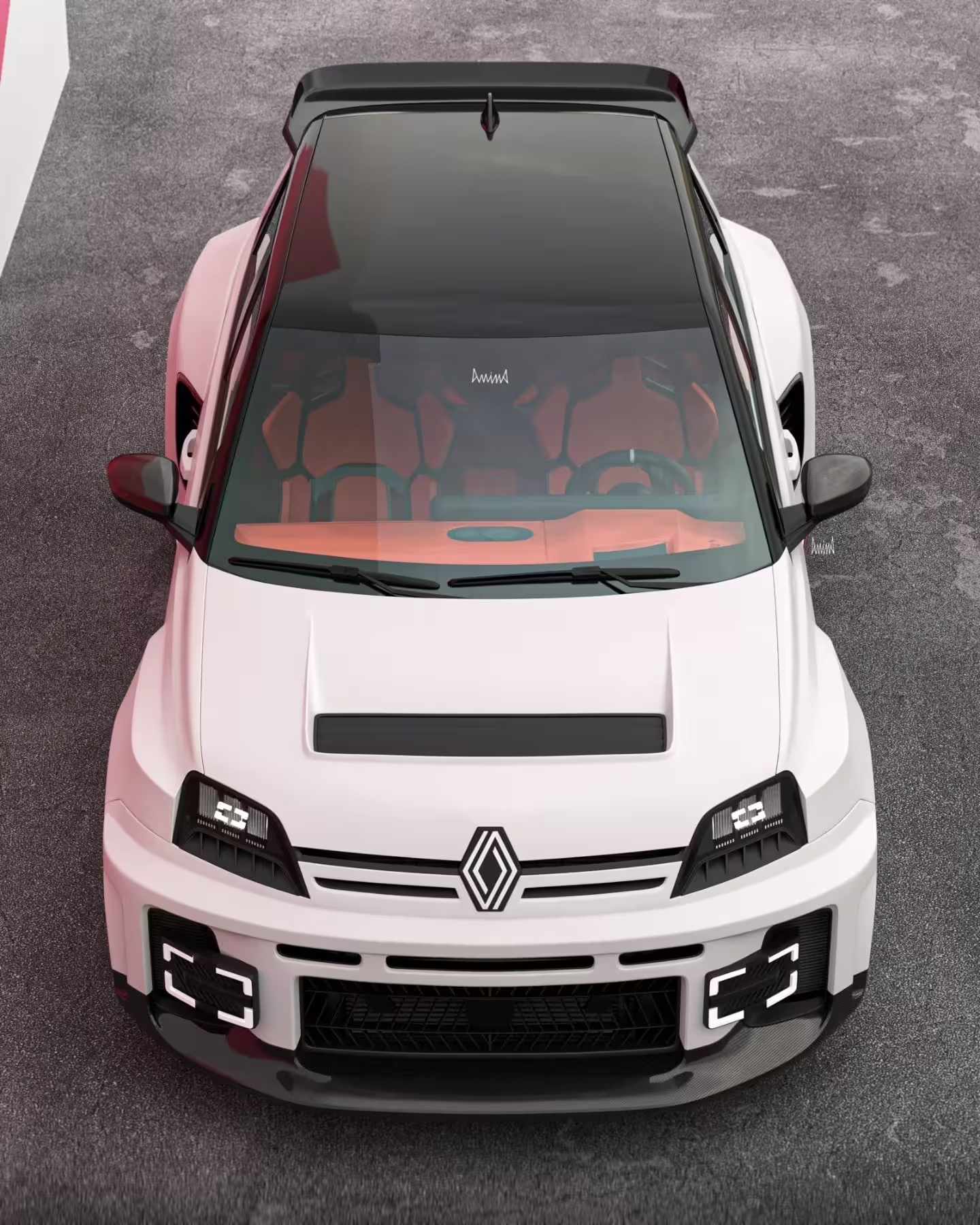
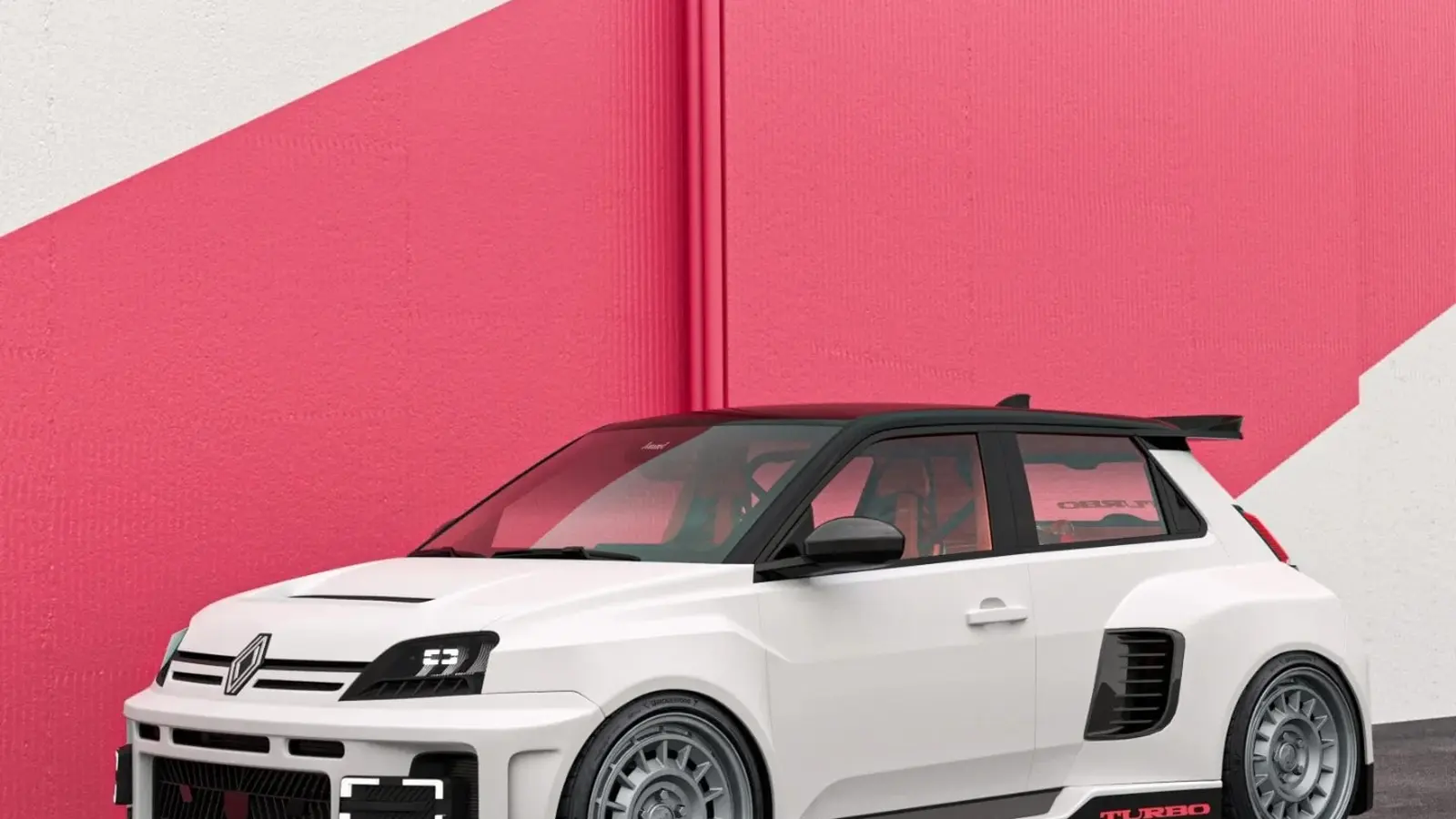
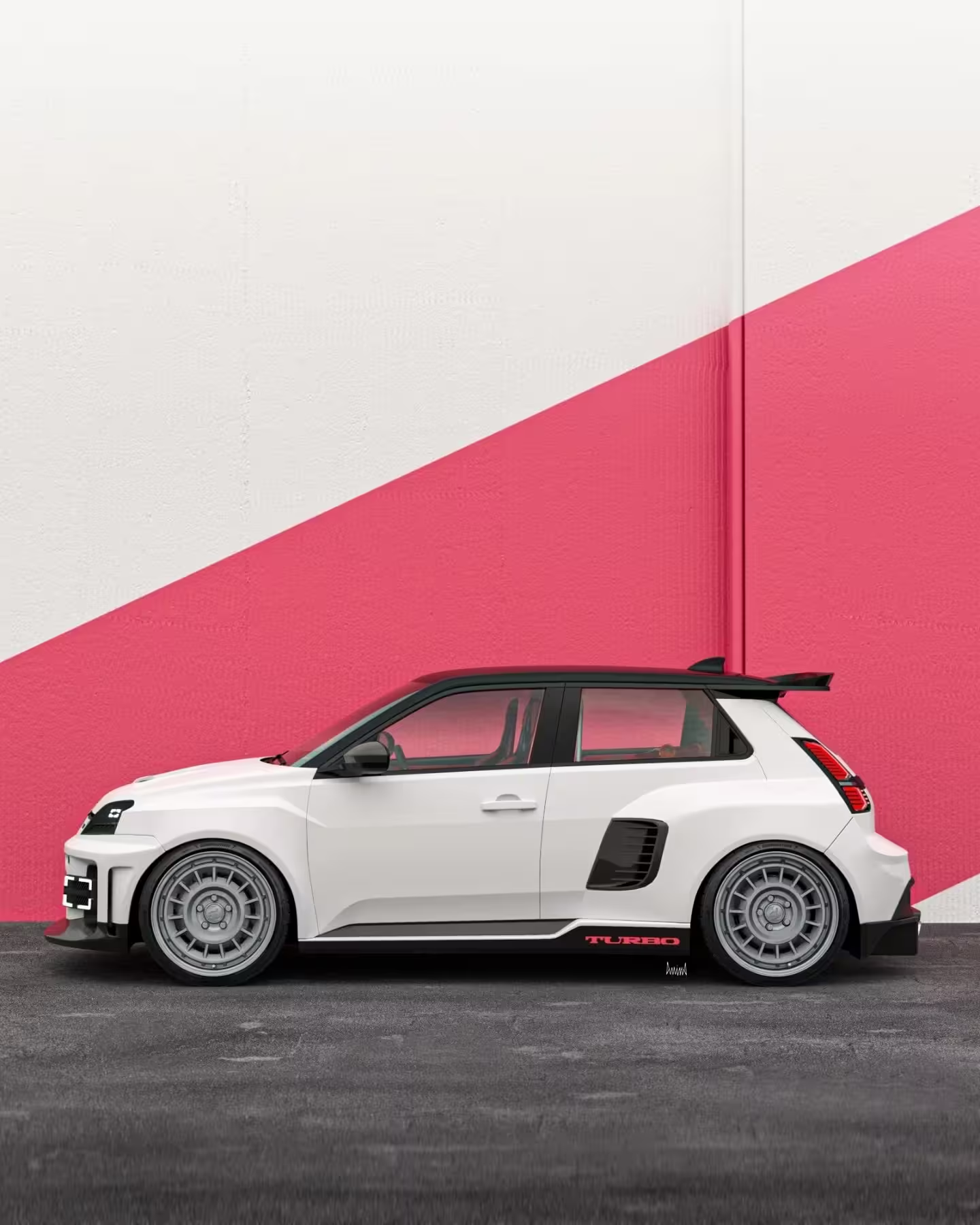
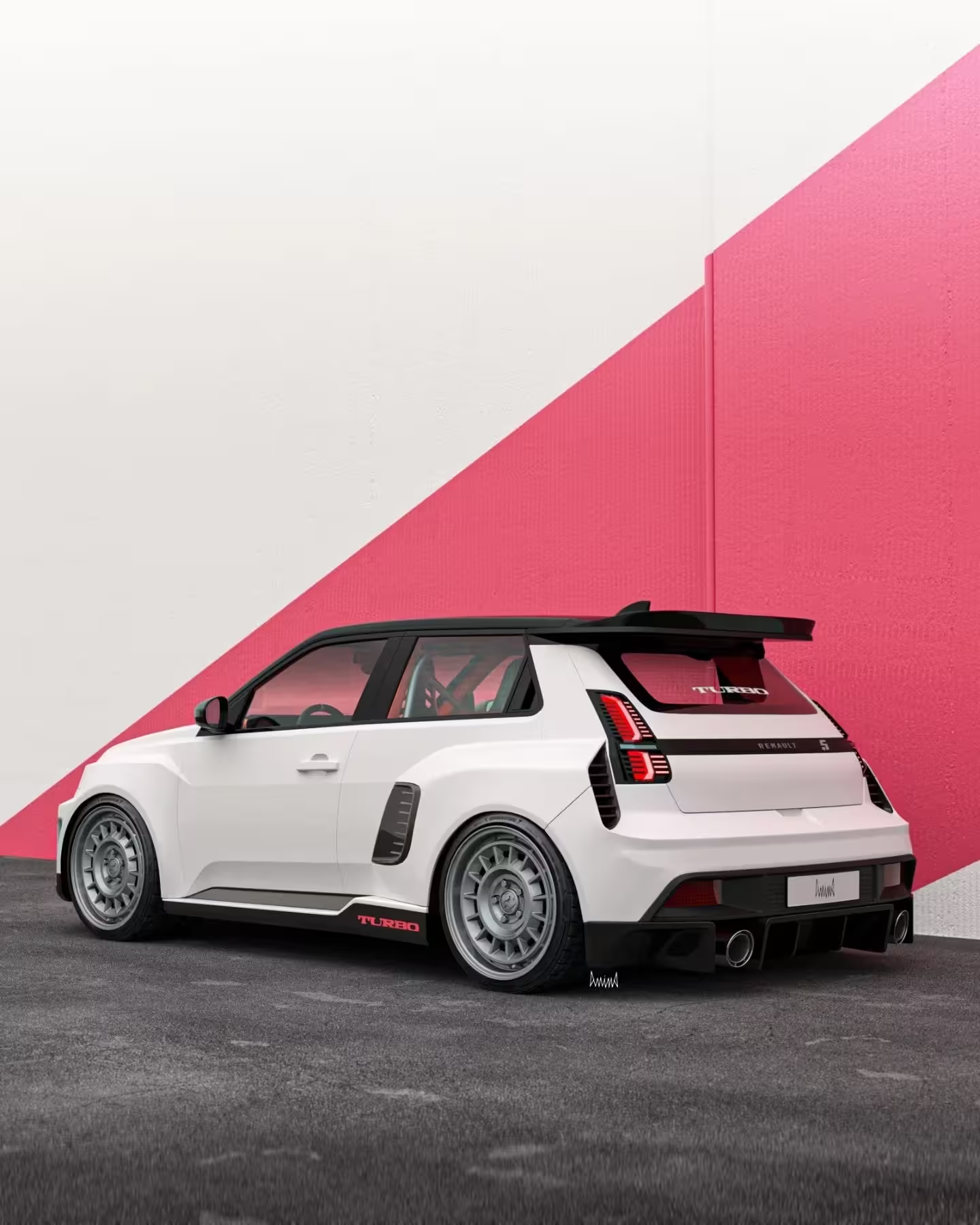
On Instagram, digital designer Iung Anissa (anissadothings) has reimagined the latest AmpR Small platform Renault 5 E-Tech as an internal-combustion hot hatch: an ICE-powered Renault 5 Turbo with a slammed widebody stance, dual exhausts integrated into a pronounced rear diffuser, and a retro-modern color scheme that nods to the 1980s original.
Design cues and retro touches
The CGI concept blends old and new: white bodywork with black and red accents on the exterior, a lively orange interior, and a set of fifteen52-style wheels to balance heritage and contemporary taste. The visual tribute even references pop-culture touches — the designer says the trim evokes the classic Renault 5 as it appears in the early Dragon Ball manga — a playful homage that underlines how much nostalgia drives modern design reinterpretations.
How this virtual Turbo stacks up against Renault’s electric tribute
Renault itself has already delivered a limited-edition electric homage: the Renault 5 Turbo 3E. That model is a high-end tribute to the 1980s widebody Turbo, built with a carbon-fiber body, an 800-volt electrical architecture, rear-wheel drive and a reported 536 horsepower, and it’s limited to 1,980 units. The Turbo 3E represents the automaker’s vision of a future-facing performance halo car.
By contrast, the CGI ICE concept offers a what-if scenario rather than engineering specs. It’s a reminder of what a petrol-powered Renault 5 Turbo could look like if Renault decided to reinterpret its past with modern combustion engineering and a track-ready stance. Enthusiasts often debate which direction is better: the tactile growl and mechanical drama of an ICE hot hatch, or the instant torque and ultra-rare cachet of an electric limited-run halo car.
Why the debate matters
Beyond aesthetics, this discussion reflects broader market tensions: electrification is accelerating, but demand for enthusiast-oriented ICE cars persists in many regions. Retro-inspired models and CGI concepts play a role in brand storytelling, testing public appetite and keeping classic nameplates culturally relevant.
Highlights of the CGI Renault 5 Turbo concept
- Visual: slammed widebody, rear diffuser with twin exhausts, fifteen52-style wheels
- Interior: bright orange accents echoing 1980s sport models
- Philosophy: a retro-modern mix that bridges heritage and current design trends
Quote: 'This CGI project is less a demand and more a conversation starter — can the romance of a petrol-powered Renault 5 coexist with the brand’s electric ambitions?' That question sits at the heart of the debate among Renault fans.
So what would you choose for the driveway: a roaring ICE hot hatch inspired by the classic Turbo, or the carbon-fiber-bodied, limited-run Renault 5 Turbo 3E EV? Both options tell different stories about heritage, performance and the future of enthusiast cars.


Leave a Comment
Comments
No comments yet. Be the first.