
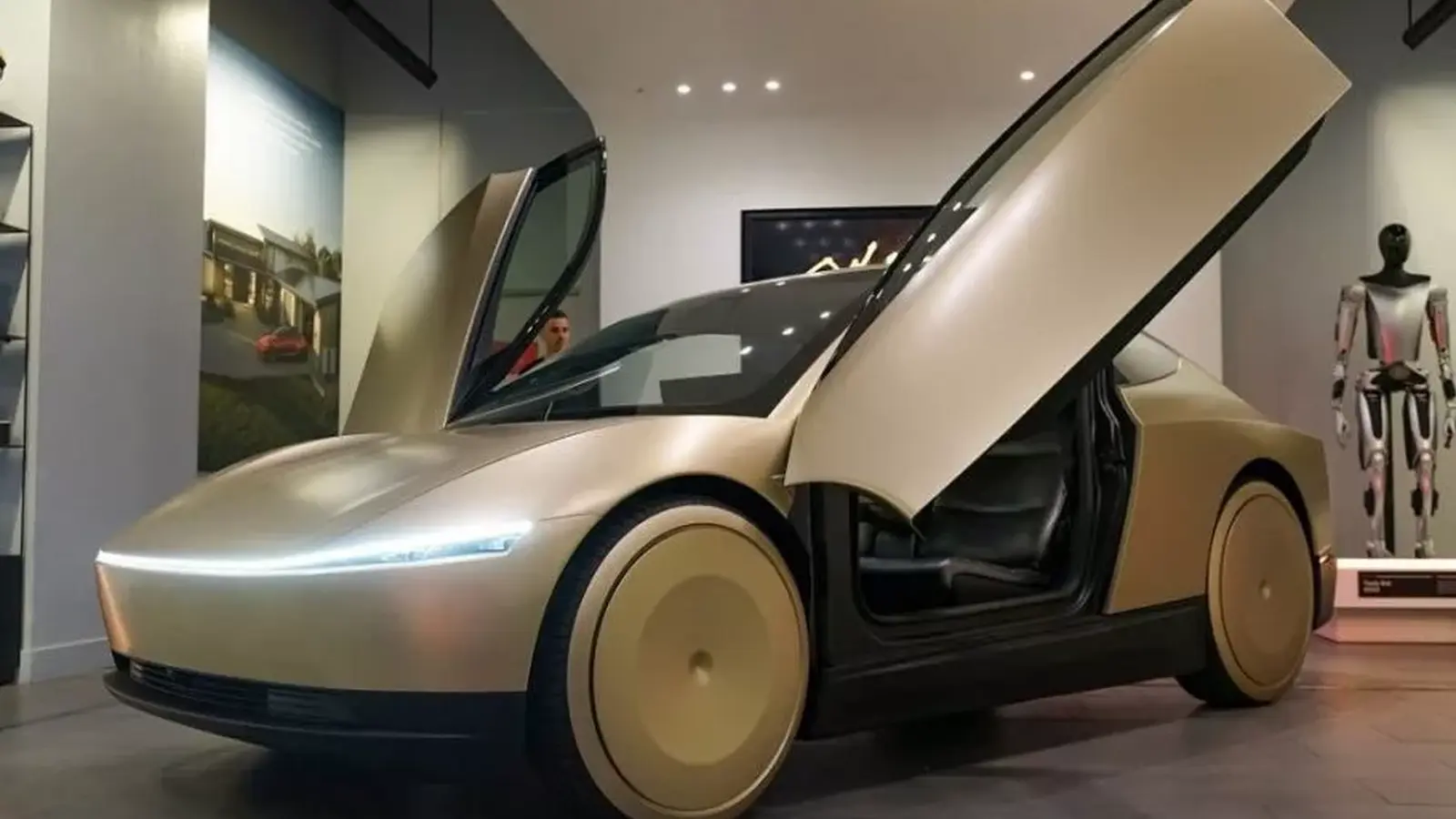
Elon Musk's ambitious Cybercab hits a rocky production ramp
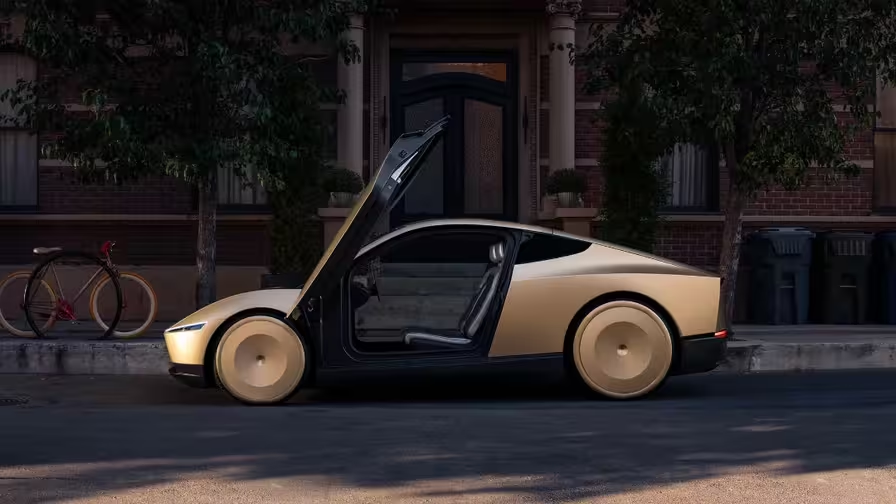
Tesla's low-cost, two-seat Cybercab — a steerless, pedal-less vehicle envisioned as a fully autonomous robotaxi — was touted as a game-changer for urban mobility. Promised at roughly $25,000 and positioned as the foundation for a future fleet of robotaxis, the project has encountered a halting and slower-than-expected production start.
Early signals from the factory line
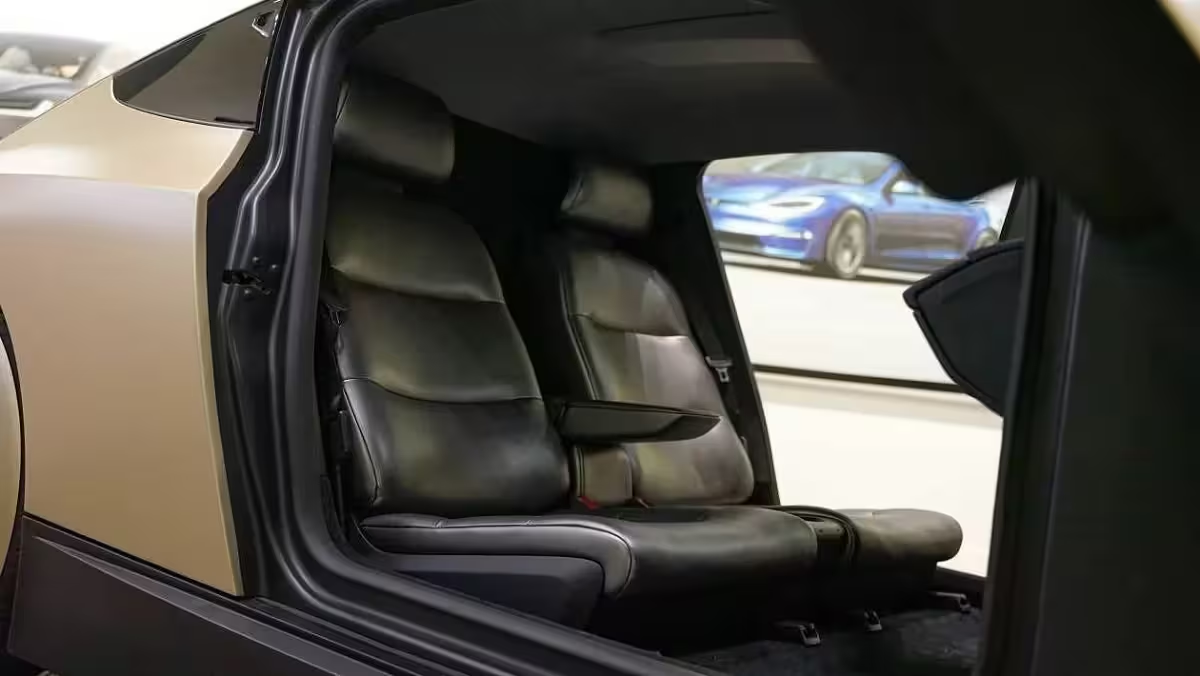
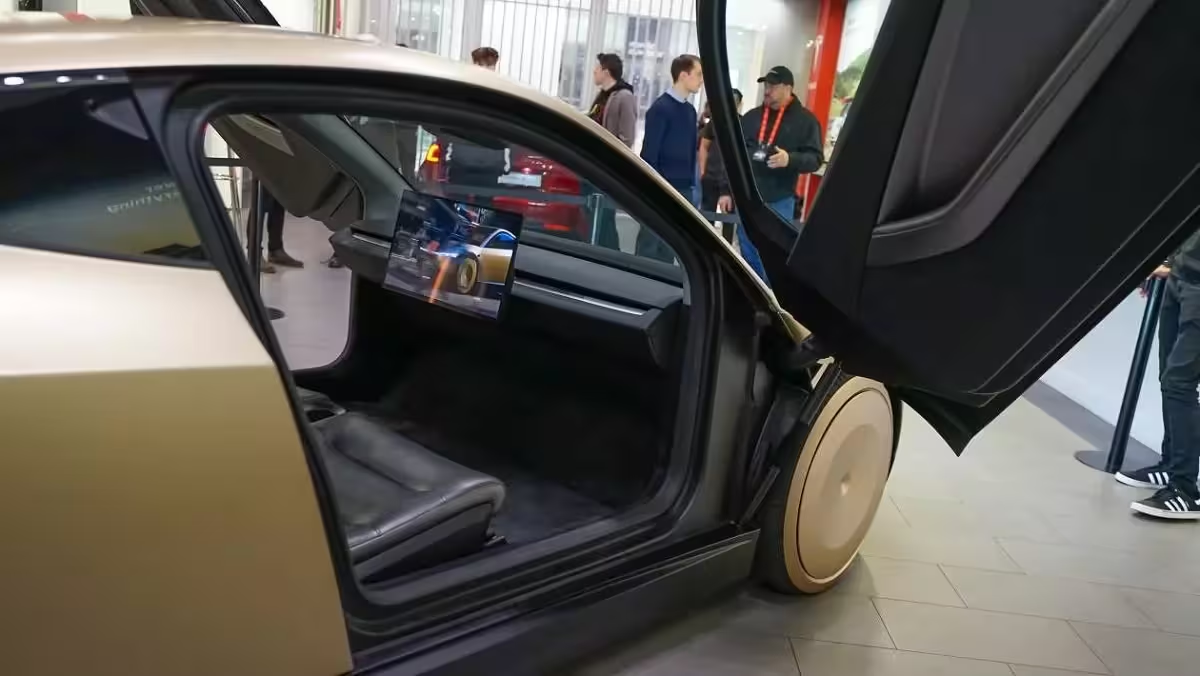
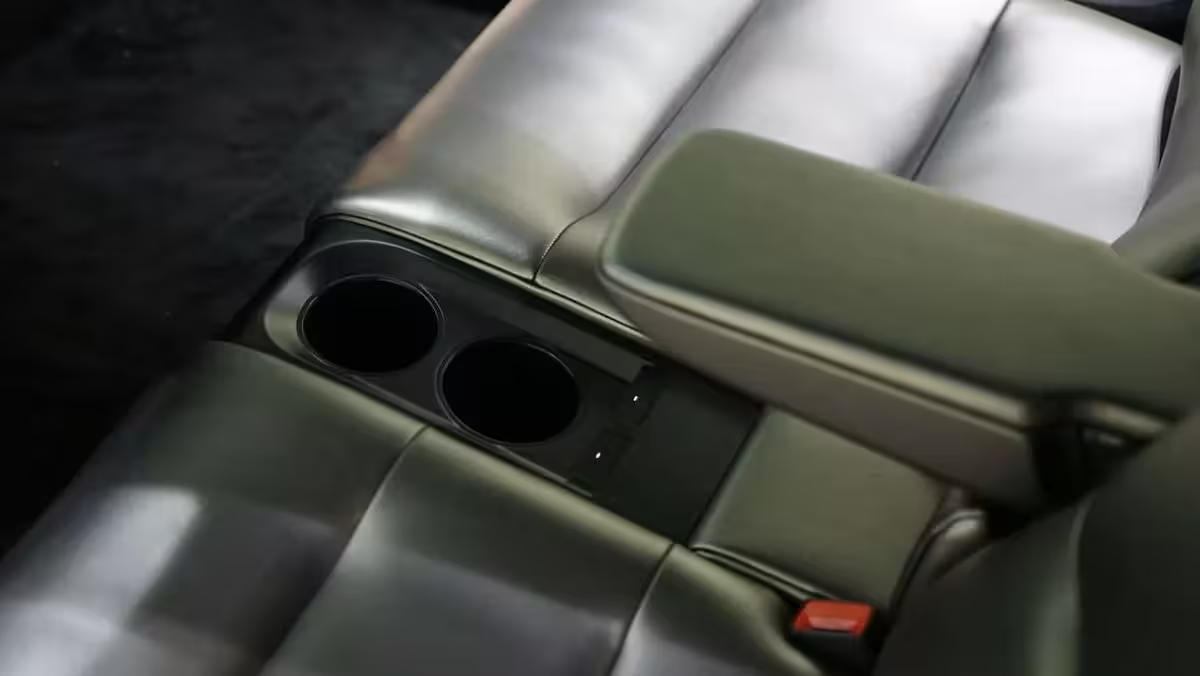
Elon Musk recently acknowledged on X that initial production rates for the Cybercab are lagging. Tesla still plans to begin manufacturing these driverless taxis in April, but the rollout looks far from the rapid scale-up the company has described in public. The Cybercab is not a retrofit; it’s a ground-up design intended specifically for unmanned operation, with cabin layout and software built around autonomy rather than a human driver.
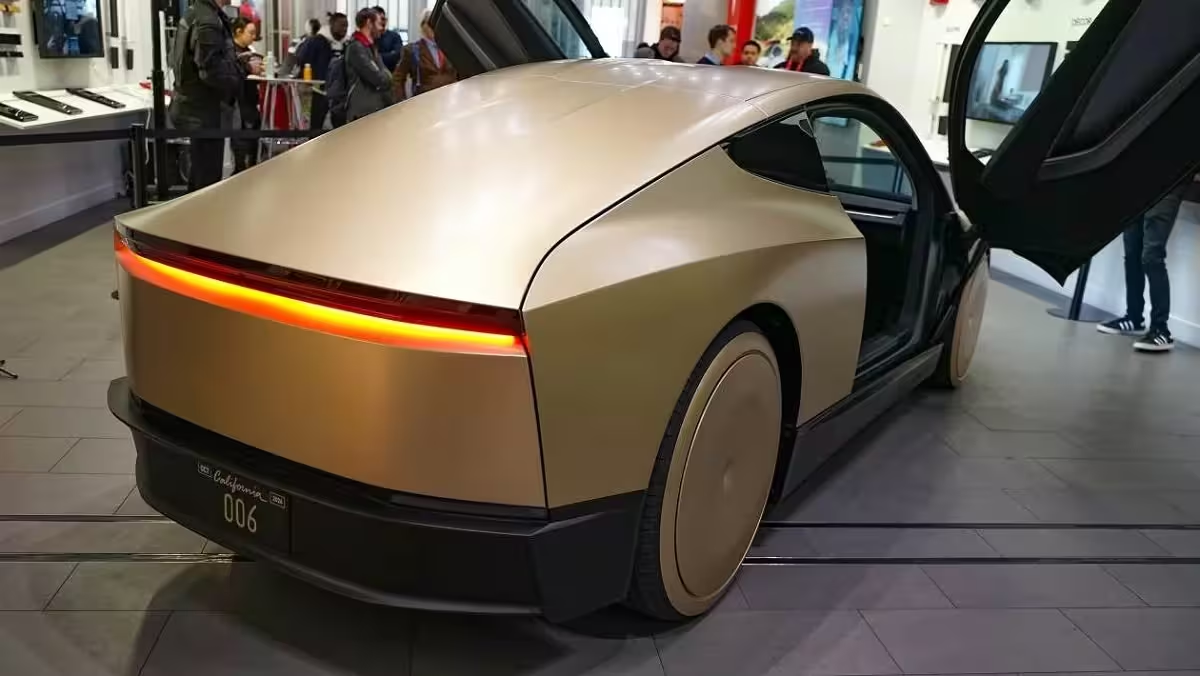
Where Cybercab fits in Tesla's roadmap
- Designed as a two-passenger, no-wheel, no-pedal robotaxi
- Target price around $25,000 to expand access to autonomous rides
- Long-term goal: scale toward millions of robotaxi vehicle-years annually
Tesla views Cybercab as part of a broader effort that includes advanced Autopilot/Full Self-Driving software and even humanoid robots such as Optimus. The company is concurrently advancing a small driverless taxi service in Austin, Texas, using retrofitted Model Y vehicles to test software and fleet operations in real traffic conditions.
Financial and strategic pressures shaping the rollout
The Cybercab launch comes at a time when Tesla faces several financial headwinds. Recent earnings showed a sharp decline in net income compared with the pandemic-era highs, with the company attributing part of the margin squeeze to heavy investments in AI, autonomous driving development, and robotics.
Capital expenditures are rising too: Tesla announced plans for more than $20 billion in capex this year to fund initiatives across factories, software, and new product lines. At the same time, output of older, premium models like the Model S and Model X is being reduced; Fremont production capacity is being readied for next-phase projects including Optimus assembly.
Technical and regulatory hurdles
Production slowdowns are not surprising for an entirely new vehicle architecture built without traditional driver controls. Software validation, safety testing, supply-chain constraints, and regulatory approvals for driverless operation all add time and cost. Tesla is also reportedly accelerating on-road testing in Texas — and in some cases running robotaxi trips without an in-car safety observer, a move that underscores the company’s urgency but raises questions about oversight and public acceptance.
"Ambition meets reality" is a fair summary: Tesla remains committed to the Cybercab vision, but scaling from prototypes and pilot fleets to mass-produced, fully autonomous taxis will require solving manufacturing bottlenecks, regulatory complexity, and the technical challenge of reliable Level 4 autonomy.
What to watch next
- April: planned production start and initial ramp metrics
- Fremont factory reconfiguration and Optimus integration
- Expanded robotaxi tests in Austin and other U.S. markets
For car enthusiasts and industry watchers, Cybercab is one of the boldest bets on the future of mobility. If Tesla pulls it off, the economics of urban transport could change dramatically. If not, the company will still gain valuable software and hardware lessons that will feed its broader autonomous vehicle program.

Leave a Comment
Comments
No comments yet. Be the first.